# Northern Virginia Residents Push Back on Data Center Expansion, Seek New Regulations
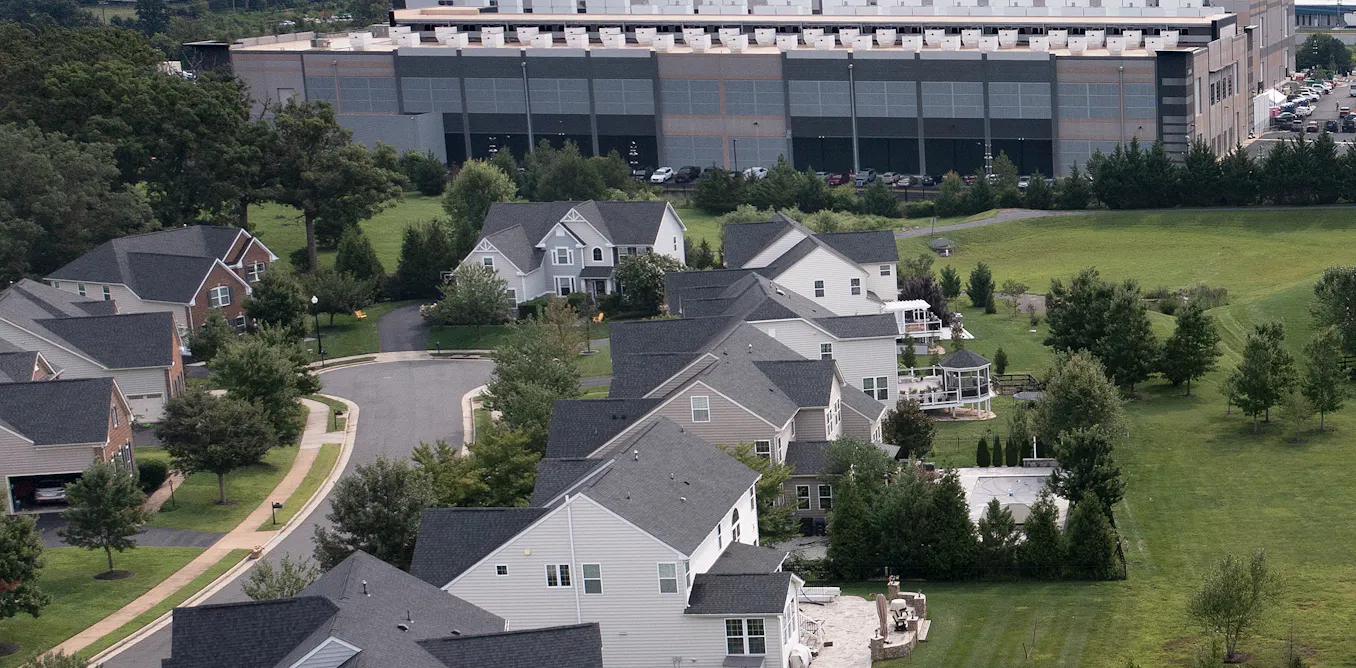
Northern Virginia residents who have coexisted with data centers for years are now demanding stricter oversight of new facility development in their communities. The pushback reveals growing tension between economic expansion and quality of life concerns in a region that has become the epicenter of American data infrastructure.
Data centers dominate northern Virginia's landscape. The region hosts some of the largest server farms in the world, processing everything from cloud storage to artificial intelligence workloads. Companies like Amazon Web Services, Microsoft Azure, and Google have invested billions there. But explosive growth in recent years has tested community patience.
Residents cite concrete problems. Data centers consume enormous amounts of electricity and water. Cooling systems run constantly, creating noise pollution. Heavy truck traffic increases congestion on already-strained roads. Some facilities operate 24/7, affecting sleep and property values in adjacent neighborhoods. Communities report rising concerns about electromagnetic radiation and air quality near major installations.
The resistance differs from typical NIMBY opposition. These are not communities seeing data centers for the first time. They have lived alongside these facilities and now speak from experience about what works and what does not. Their demands reflect accumulated knowledge about real impacts.
What do residents want? More robust environmental impact assessments before approvals. Stricter noise and traffic limits. Greater setbacks between facilities and residential areas. Regular monitoring of air and water quality. More community input in the approval process. Some advocate for data center impact fees, where developers contribute to local infrastructure upgrades needed to accommodate facility operations.
Fairfax County, Loudoun County, and Arlington County officials face pressure from both sides. Economic development brings tax revenue and jobs. A single large data center generates millions in annual tax revenue and employs hundreds in construction and ongoing operations. These funds support schools, roads, and public services. But residents vote. Elected officials cannot ignore sustained community opposition.
The timing matters. Artificial intelligence demand is driving unprecedented data center construction. New facilities require massive amounts of power to run training algorithms and inference operations. Virginia competes with other states for these projects. Stricter local regulations could push developers to Texas, North Carolina, or Georgia. Yet communities view AI-driven expansion as the last chance to impose controls before an even more intensive buildout accelerates.
Some municipalities have begun acting. Loudoun County, which hosts more data centers than most countries, has tightened development standards. New applications now face heightened scrutiny. Fairfax County staff have proposed noise ordinances and traffic management plans specific to data center operations.
State lawmakers in Richmond face a looming choice. They can maintain current light-touch regulation, allowing local governments maximum discretion. Or they can impose statewide standards that might streamline approvals but would preempt local control. Neither path satisfies everyone.
The debate reflects a broader tension in American infrastructure planning. Data centers enable everything from streaming video to medical research. But the physical footprint, environmental cost, and community impact remain concentrated in specific regions. Northern Virginia residents are asking whether their region should bear that burden indefinitely, and if so, on what terms.