# Civil Rights Enforcement Cuts Leave Disabled Students Without Recourse
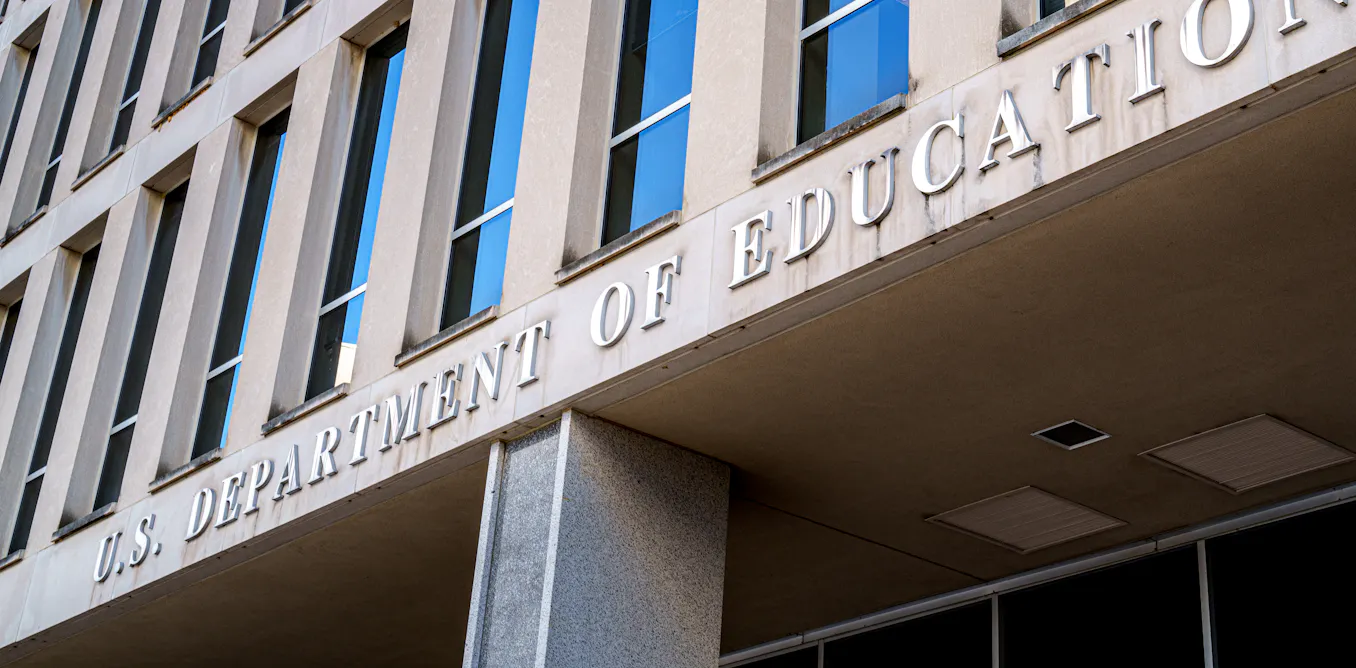
The Office of Civil Rights within the U.S. Department of Education serves as a final enforcement mechanism for students with disabilities when schools fail to provide required services. Recent budget cuts and staff reductions are dismantling that safety net.
The OCR investigates complaints under Section 504 of the Rehabilitation Act and the Individuals with Disabilities Education Act, or IDEA. These laws guarantee that students with disabilities receive free, appropriate public education and reasonable accommodations. When schools ignore these obligations, parents file complaints with OCR. The office has now entered a period of reduced capacity precisely when demand remains steady or rising.
Budget constraints have forced office closures across regions. Staff reductions mean fewer investigators handle growing complaint backlogs. Processing times have lengthened dramatically. Parents report waiting months or longer for OCR to open investigations into cases involving missing special education services, inaccessible facilities, or bullying of disabled students.
The practical impact lands hardest on families with fewer resources. Wealthy parents often hire special education attorneys to pressure districts directly. Low-income families depend on OCR's free complaint process. When OCR slows, districts face less pressure to comply voluntarily. Schools with weak special education programs know enforcement is stretched thin.
Disabled students themselves experience the delay most acutely. A student waiting for OCR investigation into inadequate services continues receiving inadequate services. Months of delays mean months of lost instruction, unmet therapy needs, and continued exclusion. For students in crisis, delays can mean the difference between staying in school or dropping out.
Regional office closures create geographic barriers. Parents in areas without local OCR presence must travel or work through mailed communications. This friction discourages complaints from families already managing complex special education systems and multiple medical appointments.
The staffing crisis compounds itself. Investigators with institutional knowledge leave or retire. New staff lack context for cases. Coordination between regions weakens. Cases languish without clear ownership.
This enforcement gap exposes a deeper reality about special education compliance. Schools theoretically must follow IDEA and Section 504 regardless of OCR oversight. But enforcement through federal investigation carries weight that internal school district processes often lack. When OCR enforcement becomes unreliable, districts lose external accountability.
The cutbacks also reduce proactive compliance monitoring. OCR previously conducted compliance reviews of districts with known issues. Reduced staffing means fewer such audits. Districts improve services faster when they know federal investigators might appear unannounced than when oversight becomes theoretical.
Parents and disability rights advocates argue that civil rights enforcement should expand, not contract, as more students with disabilities enter schools. The gap between legal obligations and actual compliance widens when enforcement capacity shrinks.
Districts facing their own budget pressures often treat special education as a line item to minimize rather than a commitment to expand. OCR enforcement serves as a countervailing force pushing back against such cost-cutting at students' expense. Without that force, special education compliance depends entirely on local goodwill and district leadership priorities.
Disabled students cannot wait for restoration of OCR capacity. Their school years pass whether complaints are investigated quickly or slowly. The current enforcement constraints mean some students receive the services they legally deserve only by accident of geography, family knowledge, or family wealth, rather than as a guaranteed right.