Only 32 percent of college trustees understand their fiduciary duties related to athletics, according to a survey by the Association of Governing Boards of Universities and Colleges. The AGB held a two-day conference this week near Washington, D.C., to help trustees navigate governance and financial issues in college sports.
The Protect College Sports Act, which passed the Senate in September, dominated discussion. The bill would set federal guidelines on player eligibility and compensation, conference realignment, in-season coaching changes, and student transfers. It would also grant antitrust protections to the NCAA. The NCAA, dozens of universities, and organizations including Walt Disney have lobbied for the bill. Attorney Robert Mangas said the bill faces significant hurdles in the House, where Democrats are more skeptical than Republicans. With five weeks remaining in the congressional calendar year, timing poses a major obstacle. Sarah Hubbard, a University of Michigan regent and Republican, told the conference she supports the bill and believes its chances remain alive under President Trump.
Financial losses in college athletics dominate university budgets. A Government Accountability Office report found that 94 percent of Division I programs and all Division II programs lost money in the 2023-24 academic year. Josh Lassiter, vice president for financial health and strategy in the University of North Carolina system, reported that UNC's 15 institutions spent $640 million on sports but earned only $412 million in revenues. None of the system's athletic programs were self-sufficient, including UNC Chapel Hill's men's basketball team. Lassiter encouraged boards to ask "blunt questions" about athletic investments.
Saint Joseph's University President Cheryl McConnell tested the board's assumptions about athletics' financial benefits. While NCAA tournament appearances increased applications, yield rarely improved. Athletic alumni did not give at higher rates than others. McConnell said she refuses sponsorships from gambling companies and will not cut academic jobs to fund athletics. She warned colleges against increased athletic spending driven by "commitment bias" and pressure to keep pace with competitors.
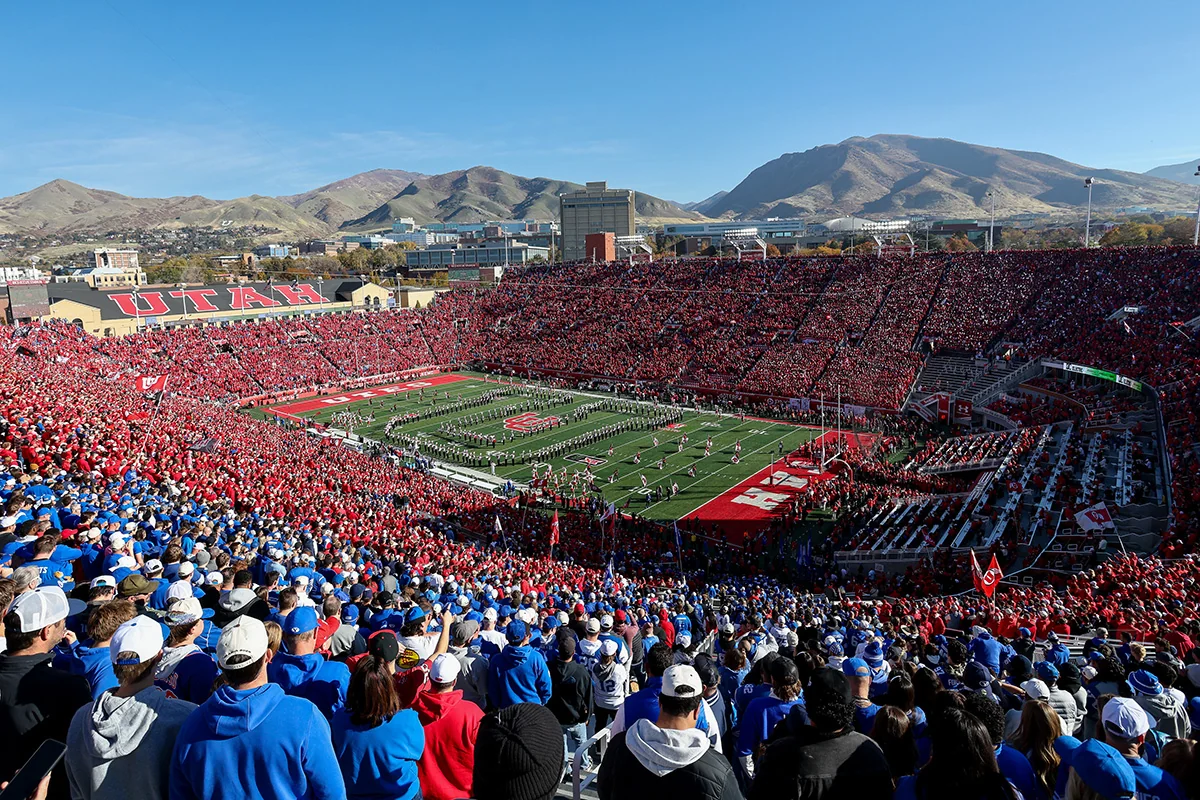
The University of Utah announced in June that it established Crimson Brand Partners and sold a "significant minority stake" to private equity firm Otro Capital to help maximize athletic value. David Anderson, CEO of the University of Utah Growth Capital Partners Foundation, said the move was driven by financial necessity and would allow athletic programs to generate more money without tapping academic funds.