The data speaks for itself. Two years after Arkansas passed universal education choice through its Education Freedom Account program, the average achievement of participating students rose even as the program tripled in size, with homeschoolers leading the way according to a University of Arkansas report. In Arizona, the number of private schools in the program increased by 150 in just the first year, while vendors offering educational resources and services increased by 27 percent. In Iowa, low-income children participating in education savings accounts outperform low-income children in traditional public schools on measures of both achievement and growth. In West Virginia, participation in the Hope Scholarship Program nearly doubled in 2025, increasing from 5,443 students to 10,530 students. These aren't marginal improvements or modest expansions—they're transformative results that demonstrate families want choice and students benefit from it.
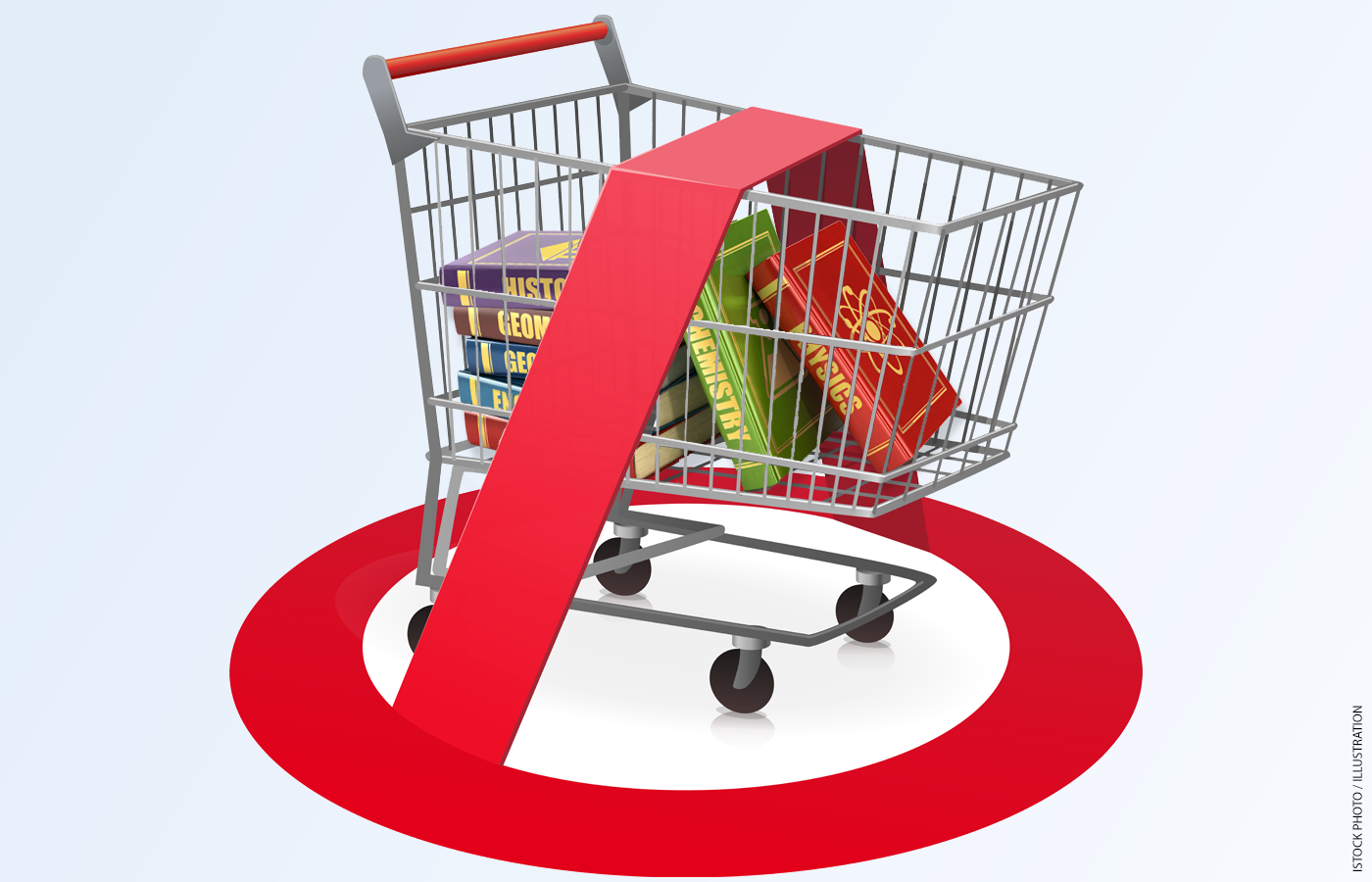
Yet the regulatory assault is intensifying. During the 2026 legislative session, EdChoice tracked 95 bills across 21 states that sought to regulate or eliminate parental choice in education. Forty-three bills were aimed at curtailing education savings accounts, and 28 targeted homeschooling. Arizona became the poster child for this fight when opponents of the state's universal ESA program attempted to gather signatures for a constitutional amendment that would have effectively gutted it. Meanwhile, a bill in front of the U.S. House to repeal the Federal Scholarship Tax Credit has over 100 cosponsors, with a similar measure in the U.S. Senate carrying 31 cosponsors.
The irony is particularly galling when examining fiscal responsibility. These programs cost significantly less than traditional public schools while maintaining remarkably low misuse rates. In Arizona, egregious unallowed purchases account for just 0.3 percent of ESA spending, and the overall improper spending rate is around 2 percent—far below the improper payment rates for long-established government programs like SNAP and Medicaid. Families are voting with their feet, programs are delivering results, and taxpayers are getting value. The market is functioning exactly as it should.
The political motivation behind these regulatory efforts is transparent. If the midterm elections this fall bring a blue wave, we can expect these regulatory and anti-choice efforts not only to continue but to increase starting next year, both at the federal and state levels. This isn't about student outcomes or fiscal prudence—it's about preserving institutional power.
As Milton Friedman wisely noted, 'The view that regulation is necessary to protect the consumer is a fallacy. The consumer is protected by the market itself — by the availability of alternative suppliers.' The wonders of the market are just beginning to flourish in K–12 education. Policymakers must resist the urge to suffocate these programs with onerous reporting mandates, governance requirements, and eligibility restrictions. The evidence of success is overwhelming. Now is the moment to protect choice, not strangle it.