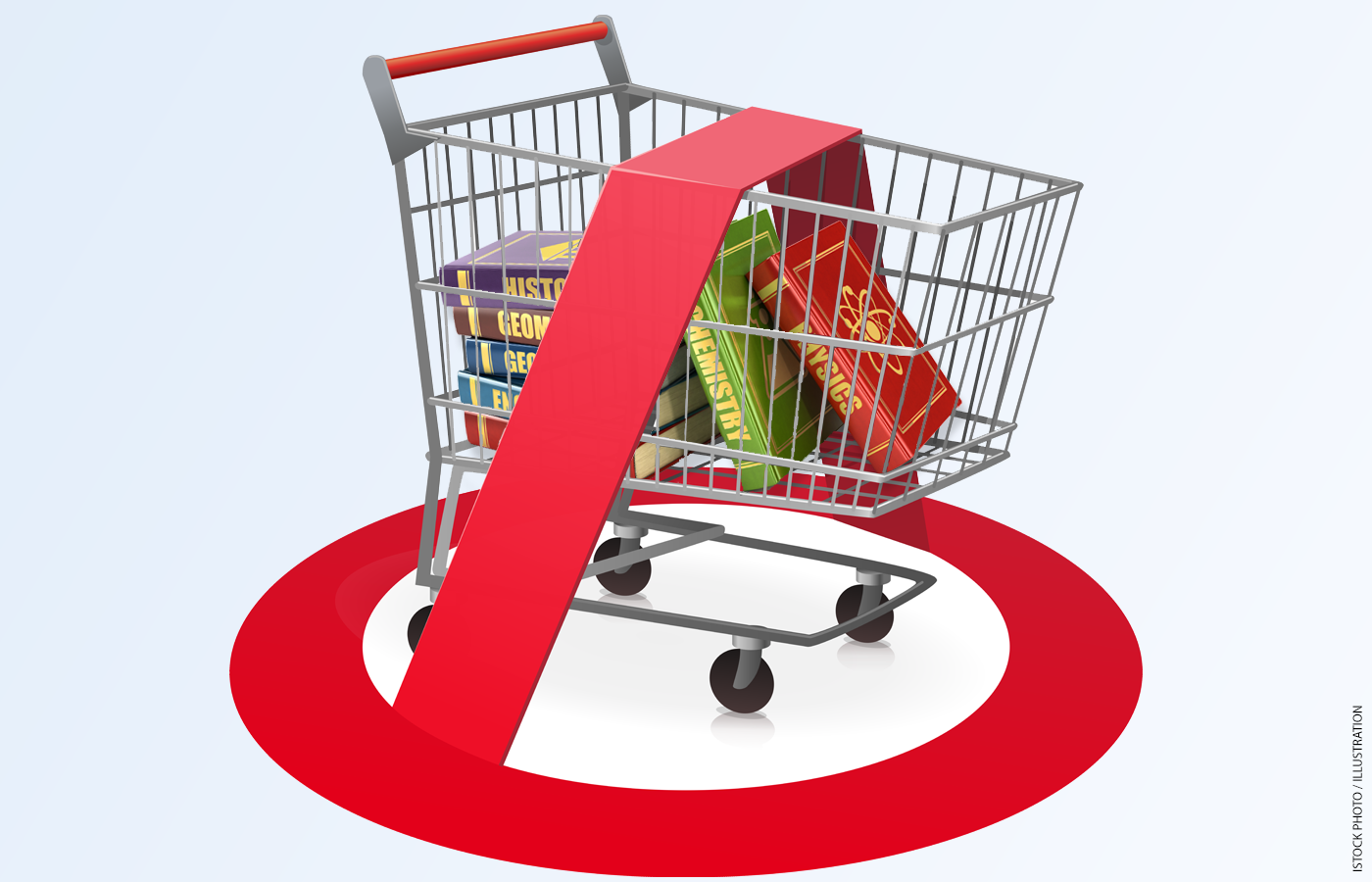
A University of Arkansas report found that after Arkansas launched its Education Freedom Account program to all K-12 students, average achievement among participating students rose even as enrollment tripled, with homeschoolers showing the strongest gains.
Similar patterns emerged in other states with universal school choice programs. Arizona saw private school participation in its program jump by 150 schools in the first year, while vendors offering educational resources and services increased by 27 percent. In Iowa, low-income students in education savings accounts outperformed low-income students in traditional public schools on achievement and growth measures. West Virginia's Hope Scholarship Program nearly doubled participation in 2025, growing from 5,443 to 10,530 students.
These programs spend less than public schools and show low misuse rates. In Arizona, improper spending totaled around 2 percent of ESA spending, with egregious unallowed purchases accounting for just 0.3 percent.
However, regulatory efforts are mounting. EdChoice tracked 95 bills across 21 states during the 2026 legislative session seeking to regulate or eliminate school choice. Forty-three bills targeted education savings accounts, and 28 targeted homeschooling. Arizona faced a proposed constitutional amendment to gut its universal ESA program.
At the federal level, a bill to repeal the Federal Scholarship Tax Credit has over 100 House cosponsors and 31 Senate cosponsors. Robert Enlow, president and CEO of EdChoice, warned that regulatory and anti-choice efforts could increase after midterm elections.