# US Military Withdrawal from Iraq Strengthens Iran's Regional Position
The final departure of American combat troops from Iraq marks a significant geopolitical shift that extends Iran's influence across the Middle East. With roughly 900 U.S. military personnel remaining in advisory roles, the withdrawal represents the end of a 20-year American military presence that began after the 2003 invasion.
For Iran, the complete withdrawal eliminates a major constraint on its regional strategy. The country now operates in a landscape where it can deepen ties with Iraq without direct American military opposition. Iraq serves multiple purposes for Tehran: it functions as a neighboring ally, an economic trading partner, and a crucial buffer against international sanctions targeting Iran's economy.
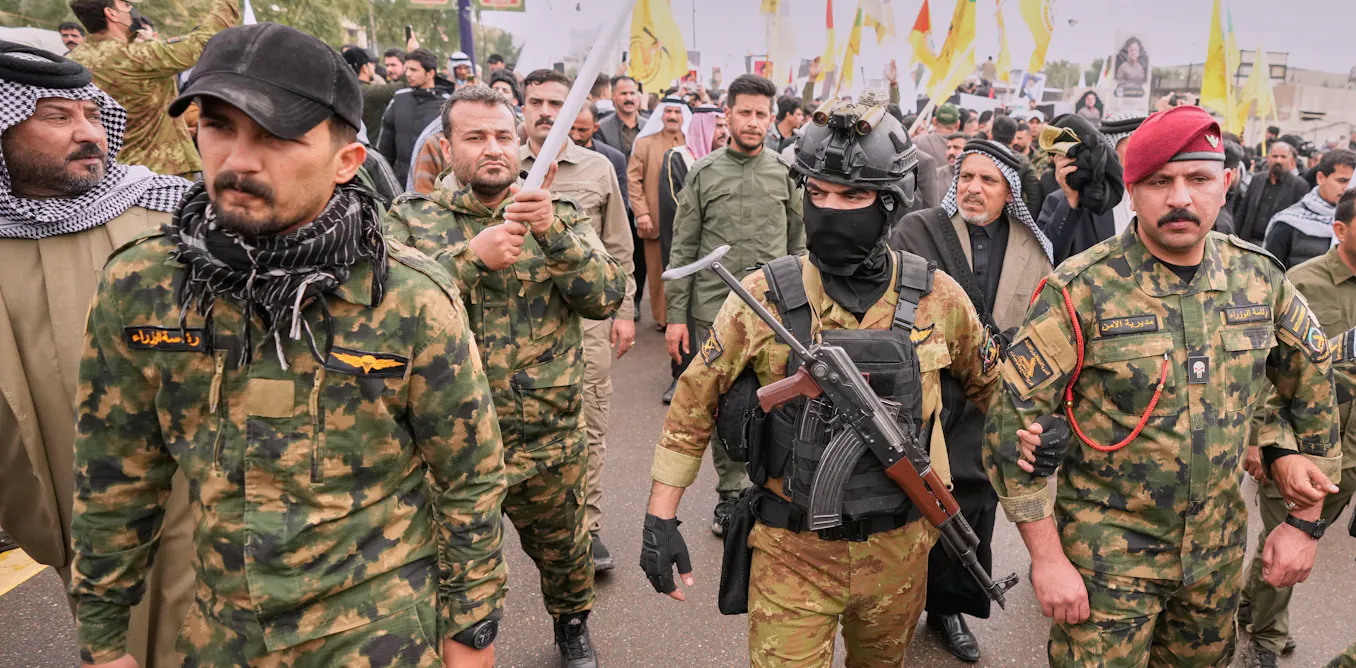
The timing amplifies Iran's advantage. As global sanctions pressure persists, Iraq's proximity and willingness to trade with Tehran provide essential economic relief. The two nations share a 910-mile border and deep historical, religious, and cultural connections. Iraqi Shia populations maintain strong ties to Iran, and Iranian-backed militia groups operate throughout Iraq with minimal constraint from U.S. forces.
Iraq's strategic value to Iran extends beyond trade. The country offers Tehran a pressure release valve against Western sanctions. Through Iraqi ports and land routes, Iranian goods can reach regional markets and international buyers. This network diminishes the effectiveness of American and European economic restrictions designed to isolate Iran's economy.
The withdrawal also reflects broader American strategic priorities. The U.S. military presence in Iraq had become primarily advisory rather than combat-focused over recent years. American officials emphasized that the 900 remaining troops would focus on training Iraqi security forces and counterterrorism operations rather than direct military engagement. This shift suggests Washington views Iraq's security challenges as manageable without a large standing American force.
However, the withdrawal creates complications for Iraq itself. The country must now manage its relationship with both Iran and the United States without American troops serving as a counterbalance. Iraqi security forces still depend on American training and air support to combat ISIS remnants and other militant groups. The reduction of American military presence tests whether Iraqi institutions have developed sufficient capacity to maintain stability independently.
For regional players, the American departure reorders calculations. Saudi Arabia and other Gulf states that viewed American military presence as a counterweight to Iranian influence now must reconsider their security strategies. The Abraham Accords and other U.S.-backed regional agreements gain new complexity when American military power recedes from Iraq.
The withdrawal also signals broader American military reorientation. The Pentagon has increasingly focused on competition with China and Russia rather than Middle Eastern counterinsurgency. This pivot away from prolonged ground commitments shapes American policy across multiple regions and reflects lessons from two decades of Iraq and Afghanistan operations.
For Iran specifically, the withdrawal represents validation of its patient regional strategy. Rather than challenging American military superiority directly, Iran invested in network-building, proxy forces, and economic integration with neighbors. As American troops leave, those investments pay dividends in expanded influence and reduced constraints on Iranian activity.