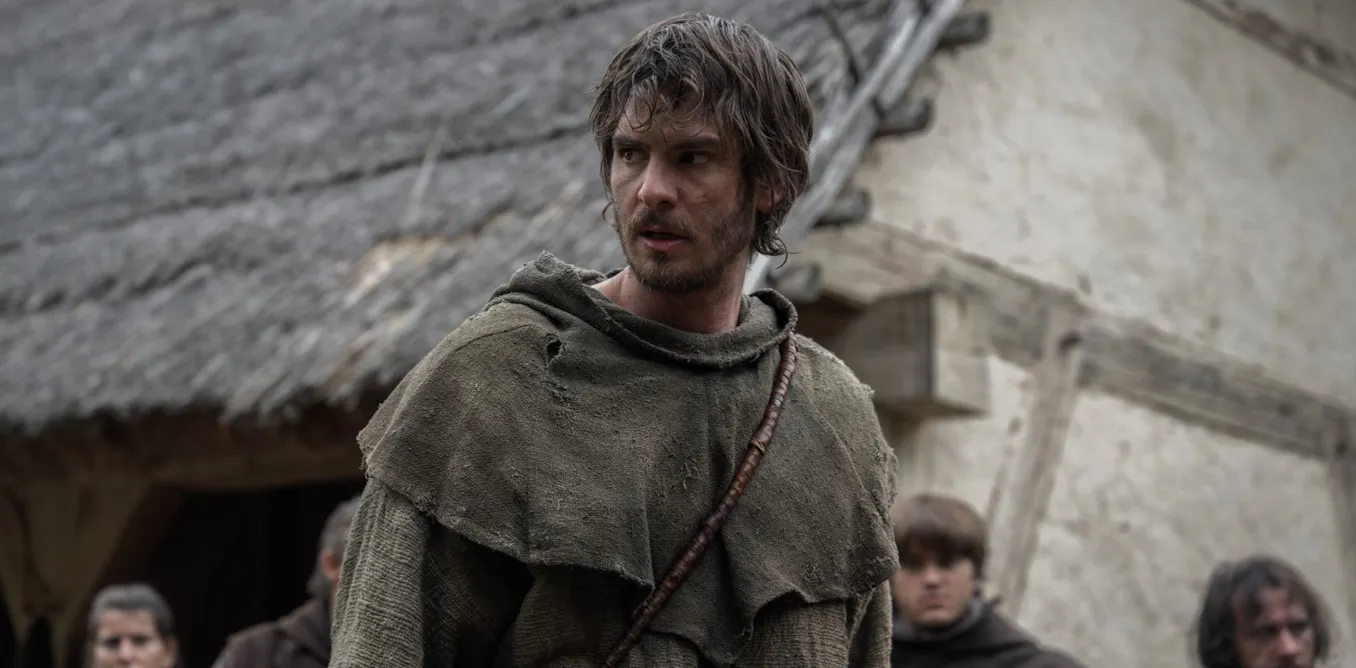
# Medieval Rebellion Meets Modern Cinema: The Real History Behind Andrew Garfield's "The Uprising"
Andrew Garfield's upcoming film "The Uprising" draws from one of England's most dramatic moments of popular resistance. The movie centers on the Peasants' Revolt of 1381, a genuine historical event that shook the foundations of feudal power and challenged centuries of accepted social hierarchy.
The revolt erupted during a period of acute government dysfunction and fiscal mismanagement. England's ruling class had implemented deeply unpopular taxes, particularly the Poll Tax of 1381, which demanded payment from nearly every adult regardless of wealth. The tax fell disproportionately hard on the poor and working classes, sparking fury across the countryside. At the same time, the government squandered revenues through foreign military campaigns and court corruption, creating a powder keg of resentment among ordinary people.
What began as rural discontent transformed into organized rebellion. Tens of thousands of rebels, many of them peasants and laborers, marched on London in June 1381. Their movement unified people across social classes who shared grievances about injustice and misused public funds. The rebels burned documents, stormed the Tower of London, and demanded fundamental reforms to the tax system and governance structure.
The rebellion gained traction under leaders including Wat Tyler, a former soldier, and John Ball, a radical priest who preached equality and challenged the legitimacy of the feudal order itself. Ball's sermons rejected the notion that God ordained some people to rule and others to serve. His famous couplet captured the movement's ideological force: "When Adam delved and Eve span, who was then the gentleman?" The question struck at the heart of inherited privilege and class division.
Though the uprising was ultimately suppressed within weeks, its impact lingered. King Richard II initially negotiated with the rebels and promised concessions, including abolition of serfdom. He later reversed those promises, but the rebellion had exposed the fragility of the existing system. The event demonstrated that common people could organize collectively and pose a real threat to entrenched power, a lesson that resonated through subsequent centuries of reform movements.
Garfield's film brings this historical moment to contemporary audiences who may recognize parallels to modern debates about taxation, government accountability, and wealth inequality. The 1381 revolt speaks to timeless tensions between those who hold power and those who bear its burdens. The rebels' core demands centered not on radical ideology but on basic fairness: fair taxation, honest government spending, and recognition of their human dignity.
Historians have long treated the Peasants' Revolt as a pivotal moment in English social history. It marked one of the first large-scale popular uprisings against government policy and an early assertion of common people's right to challenge authority. The rebels lost their immediate battle but won a place in historical memory as pioneers of popular resistance.
Garfield's role in dramatizing this revolt brings medieval politics into conversation with contemporary concerns about corruption and public trust. The film serves as both historical narrative and mirror for modern audiences questioning their own institutions.