# How Scapegoating Happens—and What We Can Do to Stop It
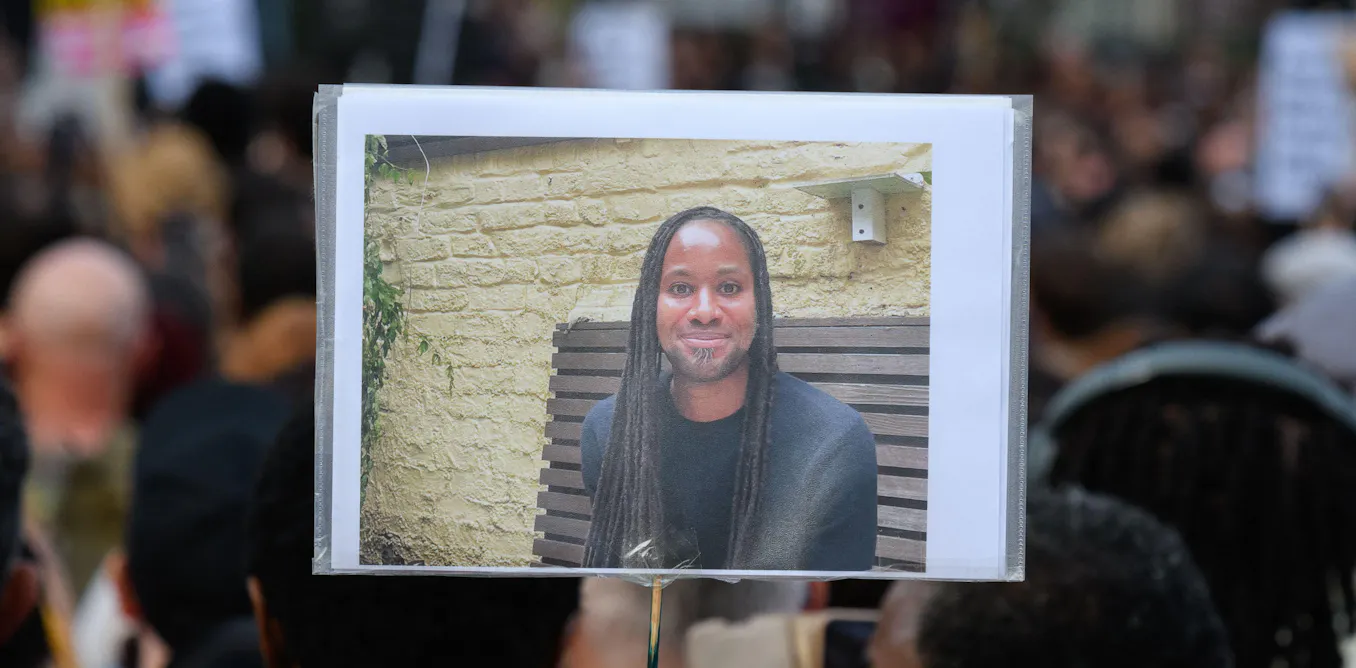
Jason Arday's story illustrates the mechanics of scapegoating in education and society. Arday, a British-Caribbean academic, faced intense public blame and institutional pressure tied to identity-based assumptions rather than his actual conduct or capability. His case offers a window into how scapegoating operates within educational systems and what safeguards can interrupt the process.
Scapegoating follows a recognizable pattern. An individual or group becomes the target for complex problems that extend far beyond any one person's actions. Institutional failures, social anxieties, or structural inequities get redirected onto a visible figure who differs from dominant groups. The target absorbs blame disproportionate to their actual role in the problem. In academic contexts, this pattern surfaces when administrators deflect accountability for systemic issues by focusing public attention on individual employees or students, particularly those from underrepresented backgrounds.
The consequences for targets extend beyond reputational damage. Scapegoated individuals experience career disruption, mental health strain, and professional isolation. Peers distance themselves to avoid association. Institutional support evaporates even when allegations lack substantiation. The individual's competence and achievements become invisible beneath the weight of negative attribution.
Educational institutions enable scapegoating through several mechanisms. Opacity in decision-making processes allows narratives to spread unchecked. Hierarchical power structures create conditions where marginalized staff and students lack platforms to contest accusations. Hiring and promotion practices that lack diversity mean the few representatives from underrepresented groups stand out visibly when conflict emerges, making them easier targets. Weak due process protections mean allegations can damage reputation before investigation concludes.
Breaking this cycle requires structural change, not just individual awareness. Institutions must establish transparent processes for investigating claims and communicating findings to relevant parties. Diverse hiring across all levels reduces the isolation of individual minority employees and creates multiple pathways for accountability rather than concentrating scrutiny on one person. Clear whistleblower protections and anti-retaliation policies create safety for those reporting institutional problems rather than accepting them as normal.
Educational leaders also bear responsibility for naming scapegoating when it occurs and redirecting institutional focus toward systemic solutions. This means resisting pressure to produce a convenient villain when problems demand collective action. It means protecting individuals under scrutiny until evidence emerges rather than operating from assumption of guilt. It means examining whether the intensity of response to an individual's actions matches what the institution applies to others in similar situations.
For educators and administrators, the lesson extends beyond individual ethics. Institutions that tolerate scapegoating demonstrate they lack accountability mechanisms for power. When leaders allow concentrated blame to fall on individuals rather than examining institutional failures, they signal that protecting systems matters more than protecting people. Students and staff learn that visibility and difference carry risk in that environment.
Jason Arday's case, like other documented instances of scapegoating, reveals that education systems contain the tools necessary to prevent this harm. Implementing them requires recognizing that scapegoating solves no problems while creating new ones. Institutions that invest in transparency, due process, and structural equity protect not just individuals but their own integrity and mission.