# Aging Infrastructure Creates Health Hazards in Pennsylvania Schools
Multiple Pittsburgh-area school districts closed classrooms this fall due to mold contamination and extreme indoor heat, forcing administrators to confront a widespread problem affecting older school buildings across Pennsylvania. The closures highlight how aging infrastructure poses distinct health risks to children that differ markedly from risks to adults.
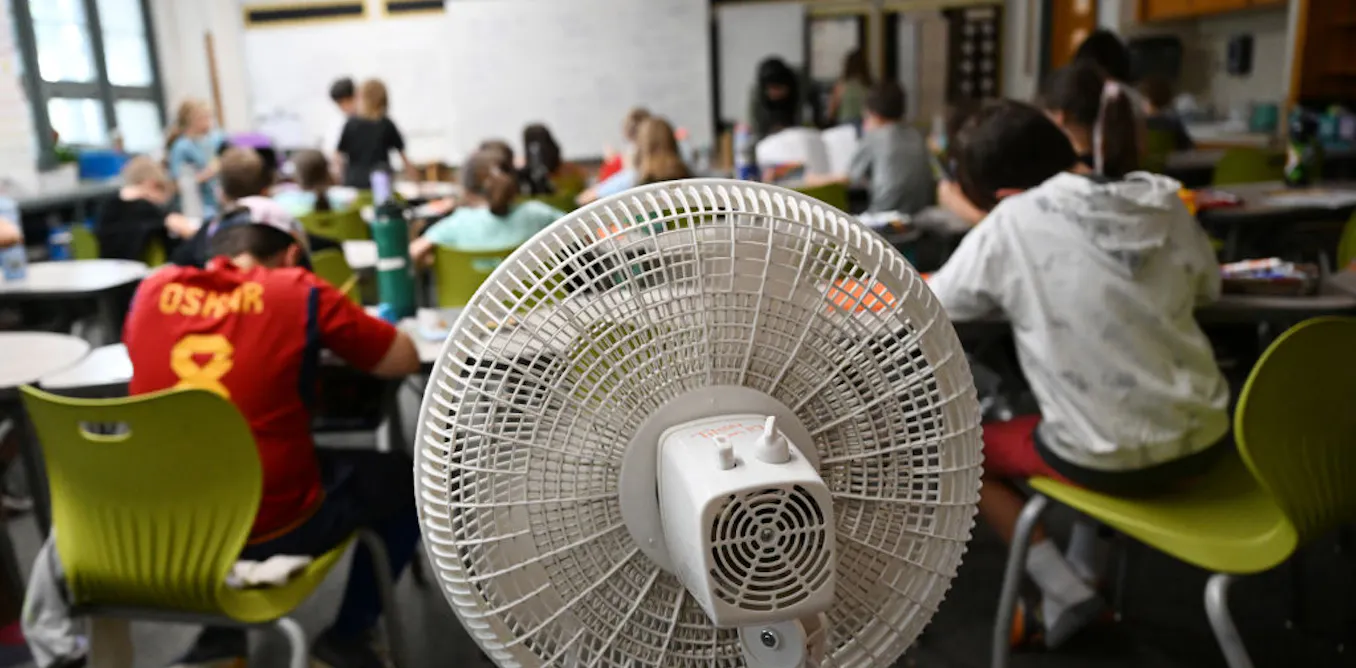
Environmental health experts point to three converging problems in aging school buildings. Mold growth thrives in moisture-damaged structures, often hidden behind walls and ceilings until visible contamination forces action. Deteriorating HVAC systems fail to maintain safe temperatures, leaving classrooms at 90 degrees Fahrenheit or higher during warm months. Corroded pipes contribute both moisture problems and potential water quality issues.
Children face greater vulnerability than adults to these hazards. Developing lungs remain more susceptible to mold spores and airborne pathogens. Young immune systems are still maturing, making them more prone to respiratory infections triggered by poor indoor air quality. Extended exposure during a full school day amplifies these risks compared to brief contact.
The problem extends far beyond Pittsburgh. Pennsylvania's school buildings have a median age exceeding 50 years, according to education infrastructure assessments. Many districts lack resources for comprehensive renovations. Property tax-dependent funding models mean communities with lower property values struggle most to maintain safe facilities. While wealthier districts upgrade HVAC systems and address moisture problems proactively, under-resourced districts respond only after health crises force closure.
Mold exposure research documents links to asthma exacerbation, coughing, and respiratory symptoms in school-age populations. Heat stress affects cognitive function and test performance. Studies show students perform worse on standardized assessments in overly warm classrooms. For students with asthma or other respiratory conditions, mold-contaminated schools create barriers to attendance and learning.
Pittsburgh Public Schools and neighboring districts implemented temporary solutions: remote learning days, classroom relocations to unaffected buildings, and emergency remediation work. These measures address immediate crises but do not solve the underlying infrastructure deficit. Permanent fixes require substantial capital investment.
Pennsylvania education officials and school administrators increasingly advocate for state infrastructure funding increases. Current appropriations fall short of needs identified in facility assessments. Federal infrastructure grants provide some resources, but application processes and matching fund requirements strain already tight district budgets.
Beyond air quality, the mold and heat closures raise equity questions. Students in under-resourced districts experience more frequent disruptions to in-person learning. Families with flexible work arrangements adapt more easily to sudden closures. Families without remote work options face childcare crises. Students relying on school meals and services miss those resources during closures.
Health departments and schools can conduct indoor air quality audits, identify moisture sources, and prioritize remediation in occupied spaces. Ventilation upgrades, dehumidification systems, and pipe replacement address root causes but require capital investment beyond most districts' immediate budgets.
The Pittsburgh closures reflect a national infrastructure challenge. Thousands of school buildings nationwide exceed 50 years old without adequate maintenance funding. As climate change increases heat waves and extreme weather events, aging buildings without proper climate control will face more frequent disruptions. Pennsylvania policymakers face pressure to treat school infrastructure investment as both a health imperative and an educational equity issue.