# Supreme Court's Pesticide Decision Shields Manufacturers From Liability Warnings
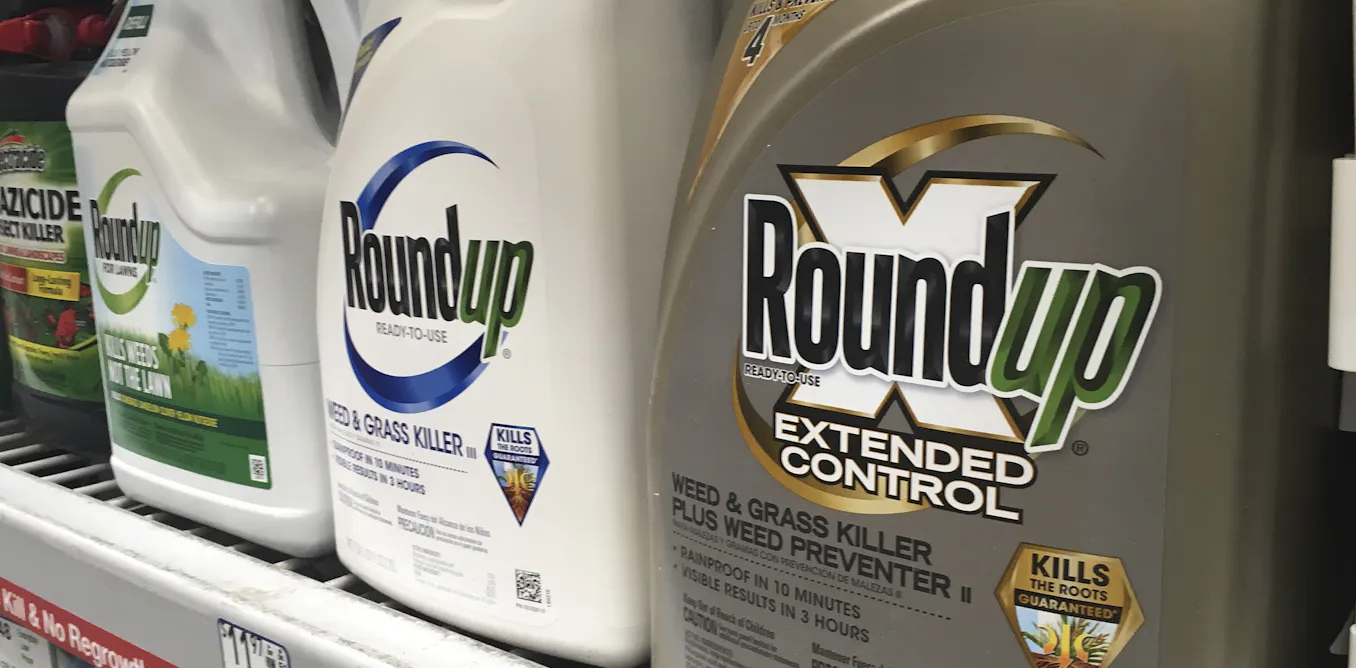
The U.S. Supreme Court ruled in favor of pesticide manufacturers, blocking state-level requirements to label products with cancer warnings. The decision protects sellers of hundreds of pesticides, including those containing glyphosate, a widely used herbicide sold under the brand name Roundup.
The case centered on whether California could require cancer warnings on pesticide labels despite federal approval from the Environmental Protection Agency. California had pushed for additional warnings based on its own scientific assessments, which classified glyphosate as a probable human carcinogen. The Supreme Court sided with federal authority, determining that the EPA's approval preempts state-level labeling mandates.
This ruling carries real consequences for two groups: home gardeners and agricultural workers. Home gardeners using glyphosate in yards and gardens will no longer see state-mandated warnings about potential health risks. Agricultural workers who handle pesticides daily face reduced visibility into hazard information that states like California deemed necessary for public health protection.
The EPA has maintained that glyphosate is safe for use when applied according to label directions. However, the International Agency for Research on Cancer classified glyphosate as a probable carcinogen in 2015. This disagreement between U.S. federal regulators and international health bodies creates confusion in the marketplace. Consumers in states that previously required warnings now receive products without that additional information.
The decision affects manufacturers broadly. Federal labeling standards set by the EPA now stand as the ceiling for pesticide safety warnings across all states. Companies selling hundreds of pesticide products gain protection from patchwork state regulations that imposed different warning requirements. This standardization simplifies manufacturing and distribution but reduces consumer autonomy in states with stricter health standards.
For educators and parents, the ruling raises questions about children's exposure to pesticides. Many families use lawn and garden pesticides around homes where children play. Without state-level warnings, families may lack complete information when deciding whether to apply these products on their property.
Farm workers, particularly in states like California, face the most direct impact. These workers handle concentrated pesticide solutions daily during spraying operations. State warnings previously gave workers additional health information. Now they rely solely on federal EPA labeling, which industry and federal regulators deemed sufficient but which some states had determined inadequate.
The decision reflects broader tension between federal and state regulatory power. States have historically protected their residents through stricter environmental and health standards than federal minimums. The Supreme Court prioritized federal uniformity over state autonomy in this case. Future pesticide regulation will follow EPA standards unless Congress acts to change federal law.
Glyphosate remains available for purchase in all 50 states. Consumers who want additional product safety information now must seek it independently rather than rely on state-mandated warnings at the point of sale. This shifts responsibility from manufacturers to individual users to research potential health effects.