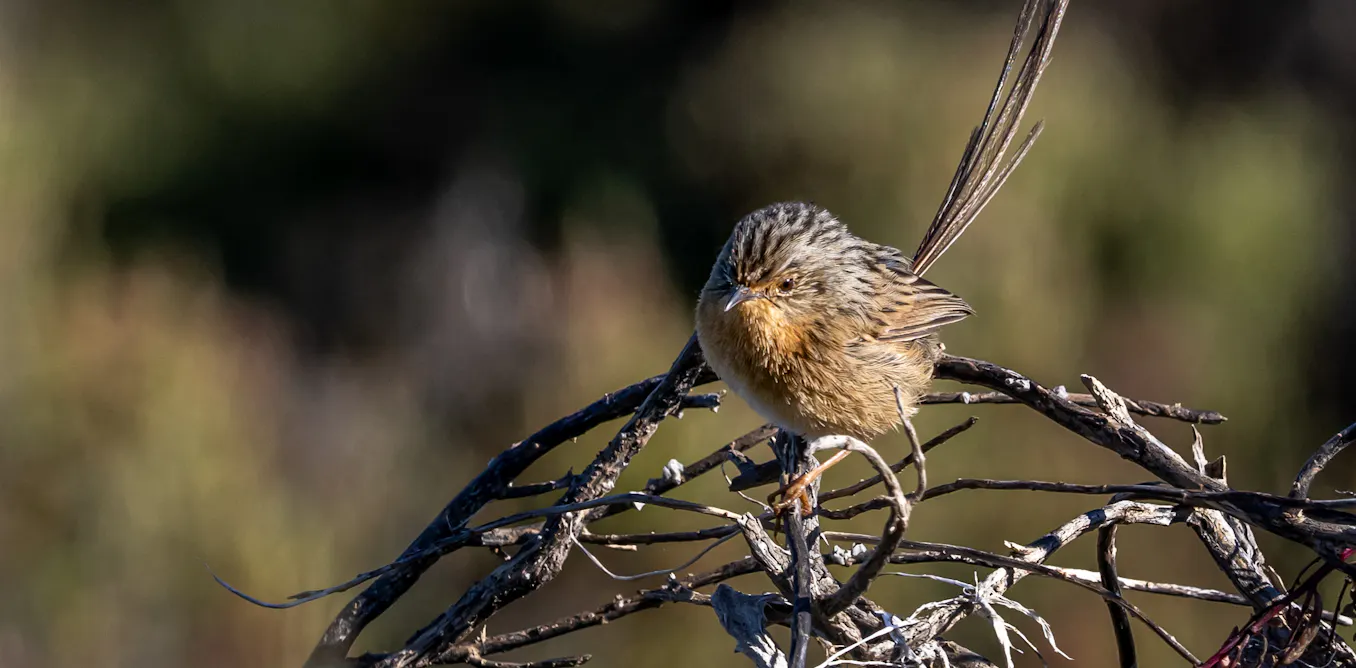
# Australian Wildlife Faces Risk From Proposed Rocket Launch Facility
A planned rocket-launch facility in South Australia has reignited debate over how space exploration programs balance against environmental protection. The project's future remains unclear, but the underlying conflict between commercial spaceflight expansion and wildlife conservation deserves urgent attention from policymakers and industry leaders.
South Australia has positioned itself as a potential hub for commercial space launches in the Asia-Pacific region. The proposed facility would boost the nation's participation in the growing space economy, potentially creating jobs and research opportunities. However, the location of this development has triggered concerns from conservation groups about impacts on local ecosystems and native species.
Australia's wildlife faces mounting pressure from habitat loss, climate change, and urban expansion. South Australia's semi-arid regions host vulnerable plant and animal species that depend on specific environmental conditions. A rocket-launch facility introduces multiple risks: noise pollution during launches, ground vibrations, potential chemical contamination from fuel, and landscape disruption from construction and operational infrastructure.
The tension reflects a global pattern. Nations pursuing ambitious space programs often locate launch facilities in remote or sparsely populated areas to minimize human risk. These same areas frequently contain biodiverse habitats or fragile ecosystems. SpaceX operations in Texas, for instance, have faced criticism regarding impacts on endangered species. India's space program has also navigated conservation concerns near launch sites.
Australia's regulatory framework requires environmental impact assessments before major infrastructure projects proceed. Any rocket facility must undergo rigorous review under the Environment Protection and Biodiversity Conservation Act. This process provides a mechanism to evaluate risks and impose conditions on operations, but execution remains inconsistent.
The uncertainty surrounding this South Australian project reflects deeper questions about national priorities. Can Australia pursue technological advancement and economic growth while protecting irreplaceable ecosystems? The answer likely requires careful site selection, strict operational standards, and genuine consultation with conservation experts and Indigenous communities whose lands these projects may affect.
Other nations offer partial models. Some European space agencies have invested in more sustainable launch technologies and selected sites with lower ecological sensitivity. These approaches do not eliminate tension but demonstrate that space exploration and environmental stewardship need not be mutually exclusive.
For South Australia specifically, decision-makers should demand comprehensive baseline ecological data before any facility is approved. Mitigation strategies must address launch noise, chemical releases, and habitat fragmentation. Independent monitoring during operations should verify that real-world impacts match predictions.
The space industry will continue expanding globally. Australia has legitimate interests in participating in this sector. But allowing commercial pressures to override environmental protection sets a dangerous precedent. Australian wildlife cannot negotiate or adapt quickly enough to major industrial disruptions. Once species disappear or habitats collapse, recovery becomes vastly more difficult and expensive than prevention.
The outcome of this South Australian proposal will signal whether the nation can integrate space ambitions with genuine environmental responsibility.