# British Cuisine in the 18th Century Was Far More Complex Than Modern Stereotypes Suggest
The stereotype of bland British food has deep historical roots, but 18th-century dining tables tell a different story. Royal and upper-class households across Britain consumed dishes that reflected the full reach of the British Empire, incorporating spices, techniques, and ingredients from colonies and trading partners worldwide.
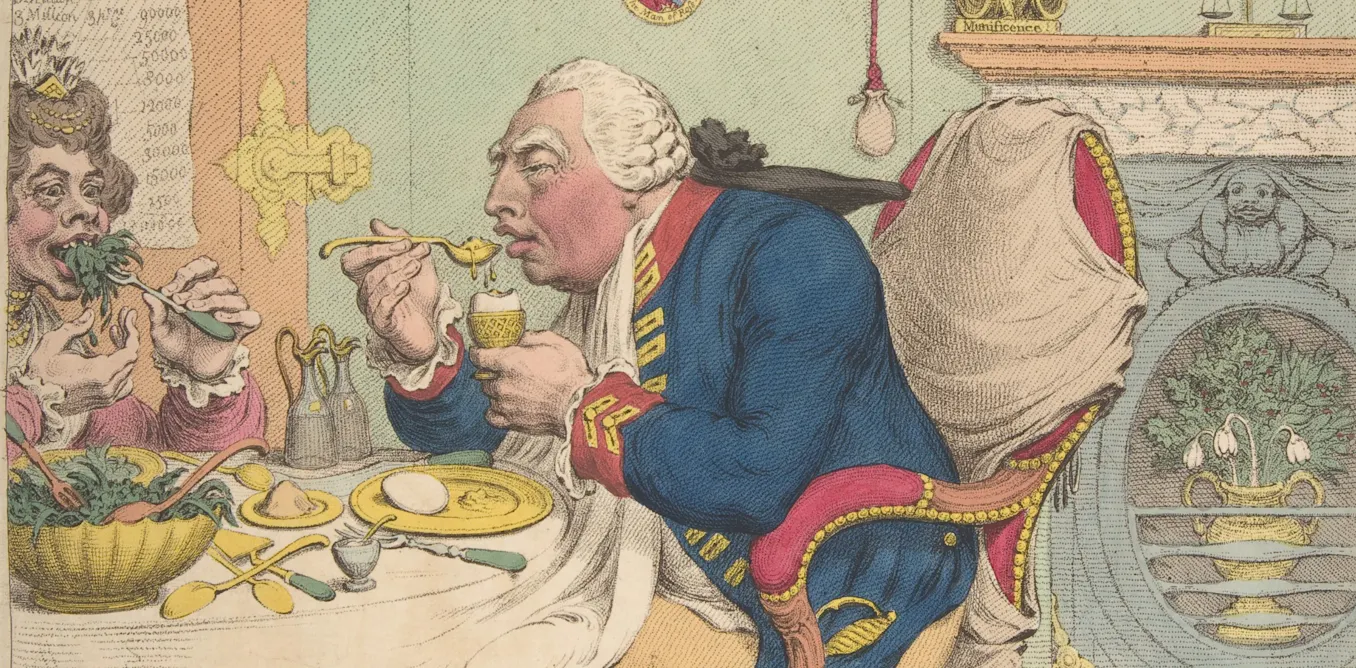
The King's table exemplified this culinary sophistication. Royal kitchens sourced ingredients from across the empire, creating menus that blended European techniques with Asian spices, Caribbean produce, and African flavoring traditions. This was not accidental. The British Empire's expansion created direct supply chains for exotic goods. Pepper from India, sugar from the Caribbean, and spices from the East Indies flowed into London markets and aristocratic kitchens with regularity.
Food historians have long overlooked this reality. Twentieth-century narratives portrayed Britain as a culinary backwater, particularly when compared to French gastronomy. That comparison, however, reflects class bias and imperial amnesia more than historical fact. French cooking became fashionable in elite British circles during the 18th century, and French chefs often dominated royal and noble kitchens. But French dominance in formal presentation did not mean British cooks lacked ambition or skill. They simply worked within a different cultural framework.
Recipe books from the period reveal the complexity. Cookbooks published for wealthy households included elaborate preparations using imported spices, detailed sauce techniques, and multicultural fusion dishes that combined ingredients from different continents. These were not simple roasts and boiled vegetables. They were ambitious reconstructions of global flavors adapted for British palates and available ingredients.
The class dimension matters here. While wealthy families enjoyed this global abundance, working-class and rural British diets remained far more limited, relying on local grains, preserved meats, and seasonal vegetables. This disparity created the lasting impression of British food as fundamentally plain. The working majority ate differently than the aristocracy, and their food traditions, not the king's table, became the dominant cultural memory.
Colonial expansion shaped taste preferences as well as supply chains. British merchants and soldiers who lived in India, the Caribbean, and other territories developed preferences for spiced dishes. When they returned to Britain, they brought those tastes home. Indian dishes began appearing in British cookbooks by the late 18th century, adapted to local ingredients and techniques. Curry powder, later a British staple, originated from this period of cultural and culinary exchange.
The Industrial Revolution accelerated this transformation. Urbanization concentrated populations in cities dependent on long-distance food supply networks. Tinned and preserved foods became common, and convenience replaced elaborate preparation. This shift, combined with two world wars that enforced rationing and austerity, solidified the image of British food as austere and utilitarian.
Understanding 18th-century British food requires separating the lived experience of elites from cultural memory shaped by later centuries. The King's kitchens were global. Imperial trade made diversity possible for those who could afford it. The stereotype persists not because it was always true, but because working-class food traditions lasted longer in cultural memory than aristocratic ones. Modern British cuisine's turn toward bold flavors and multicultural influences represents not a break from tradition, but a return to the cosmopolitan eating habits of earlier centuries.