# Art Exhibition Explores How Modern Culture Invented the "Medieval Aesthetic"
A new exhibition titled "The Raw and the Cooked" challenges visitors to reconsider what they think they know about medieval art and design. Rather than presenting historical artifacts from the Middle Ages themselves, the show examines how contemporary artists and designers have constructed and reconstructed an aesthetic idea of "the medieval" that exists more in modern imagination than in historical fact.
The exhibition centers on a paradox. Modern culture has built a powerful set of visual and design associations with the Middle Ages. Gothic architecture, ornate illuminated manuscripts, dark forests, castles, and intricate metalwork appear everywhere from fantasy films to fashion runways. Yet these visual tropes often say more about current aesthetic preferences than about what actually existed in medieval times.
Curators frame the show around the tension between two concepts borrowed from anthropologist Claude Lévi-Strauss: "the raw" and "the cooked." The raw represents unprocessed reality, authentic historical fragments. The cooked represents cultural interpretation, the way modern hands have transformed historical material into consumable aesthetic product. Medieval imagery has been thoroughly cooked by contemporary culture.
This framework matters for education and cultural literacy. Students and the general public encounter "medieval" aesthetics constantly without understanding their invented nature. Video games, literature, fashion, and architecture programs all draw on an aesthetic vocabulary most people never question. The exhibition asks visitors to become aware of this process of cultural construction.
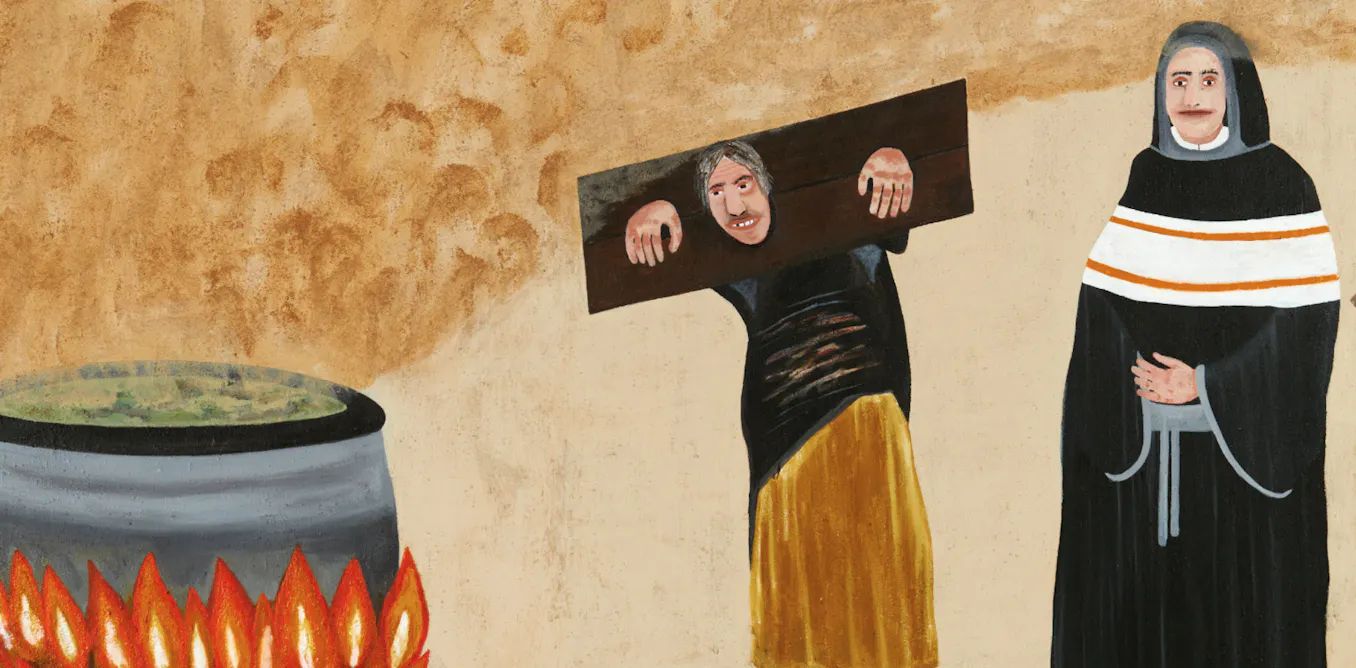
The show features contemporary artists who deliberately engage with medieval tropes. Some works deconstruct familiar medieval imagery. Others layer modern materials and concerns onto historical references. By placing these contemporary pieces in dialogue with historical sources and reproductions, the exhibition reveals how selectively modern culture has borrowed from the past.
This approach connects to broader conversations in art history and museum studies about authenticity and representation. Institutions increasingly grapple with questions about how to present history responsibly. This exhibition avoids the false claim of objective historical presentation. Instead, it honestly explores how cultural meaning gets created and transmitted.
The work also has relevance for curriculum design and visual literacy education. When students learn history, they typically encounter primary sources and scholarly interpretations. They rarely learn to question the aesthetic frameworks through which they view the past. This exhibition provides a model for teaching critical viewing skills alongside historical content.
The "medieval aesthetic" persists partly because it serves contemporary psychological and cultural needs. Modern life often feels fragmented, digital, and disconnected from craft and materiality. Medieval imagery promises wholeness, handmade authenticity, and connection to nature. That these promises existed more in imagination than in historical fact matters less than recognizing how and why we project these desires backward.
Visitors leave the exhibition better equipped to recognize aesthetic construction in action. They begin noticing how museums, media, and markets continually shape what we see as beautiful or historically "authentic." That awareness extends far beyond medieval studies into how we consume and interpret all historical imagery. The exhibition succeeds not by providing definitive answers about the Middle Ages, but by making the machinery of aesthetic meaning-making visible.