# The Hidden Curriculum Gap: Why Most High School Graduates Lack Post-Graduation Readiness
A new post-graduation readiness report from YouScience reveals a stark disconnect between what high schools teach and what students need to succeed after graduation. The majority of graduating high school seniors lack the skills and preparation necessary to navigate their first steps beyond the diploma.
YouScience's findings expose a gap that extends beyond traditional academics. While students master content in core subjects, they leave school unprepared for practical decision-making, career planning, and the real-world transitions that follow. This readiness gap affects not only college-bound students but especially those pursuing career and technical education (CTE) pathways.
The report suggests that schools teach what researchers call a "hidden curriculum" problem. Students receive instruction in math, science, English, and social studies but rarely receive explicit training in how to make informed decisions about their futures. Career awareness often arrives too late. College readiness frameworks focus narrowly on test scores rather than preparedness for actual work environments.
Career and Technical Education programs offer one promising response. CTE courses teach hands-on skills in fields like manufacturing, healthcare, construction, and information technology. Yet even CTE students graduate without understanding how to apply their technical skills to real career decisions. The programs often exist in isolation from broader decision-making frameworks that help students evaluate options and plan trajectories.
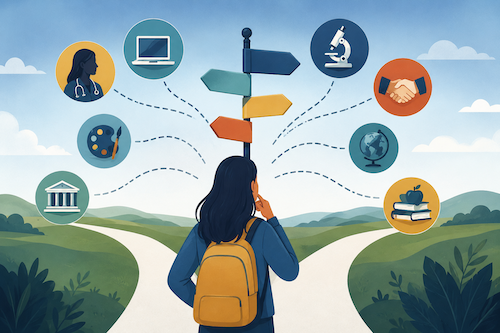
YouScience advocates for aligning CTE with what it calls "decision education." This approach integrates explicit instruction in decision-making skills with career pathway exploration. Students learn not just a trade but how to assess their strengths, understand labor market demands, evaluate multiple pathways, and make informed choices about their next steps.
The timing matters. Most high school seniors finalize their post-graduation plans in the spring of their senior year. By that point, meaningful course changes become impossible. The readiness gap reflects a systemic timing problem. Schools should introduce career exploration and decision-making frameworks in middle school and reinforce them throughout high school, not as an afterthought during senior year.
Current practice leaves too much to chance. Students with college-educated parents often receive informal career guidance at home. Students without that family resource depend entirely on what schools provide. Many schools lack dedicated counselors who can deliver personalized guidance, creating a equity problem that compounds the readiness gap.
The YouScience report offers data that school leaders can use to audit their own practices. Do students graduate understanding their own skills and interests? Can they articulate why they chose their post-graduation path? Have they learned to evaluate trade-offs between different options? Most school administrators would struggle to answer yes to all three questions.
Addressing this requires deliberate curriculum design. Decision education does not mean adding another course. It means embedding decision-making skills into existing CTE classes, advisory programs, and electives. Students learn to evaluate options in real time as they encounter actual decisions about their educational pathways.
The hidden curriculum gap reflects a broader failure to prepare students for adult independence. Technical skills matter. Decision-making skills matter more. Schools that align CTE with explicit decision education frameworks give graduating seniors genuine readiness for whatever path follows graduation.