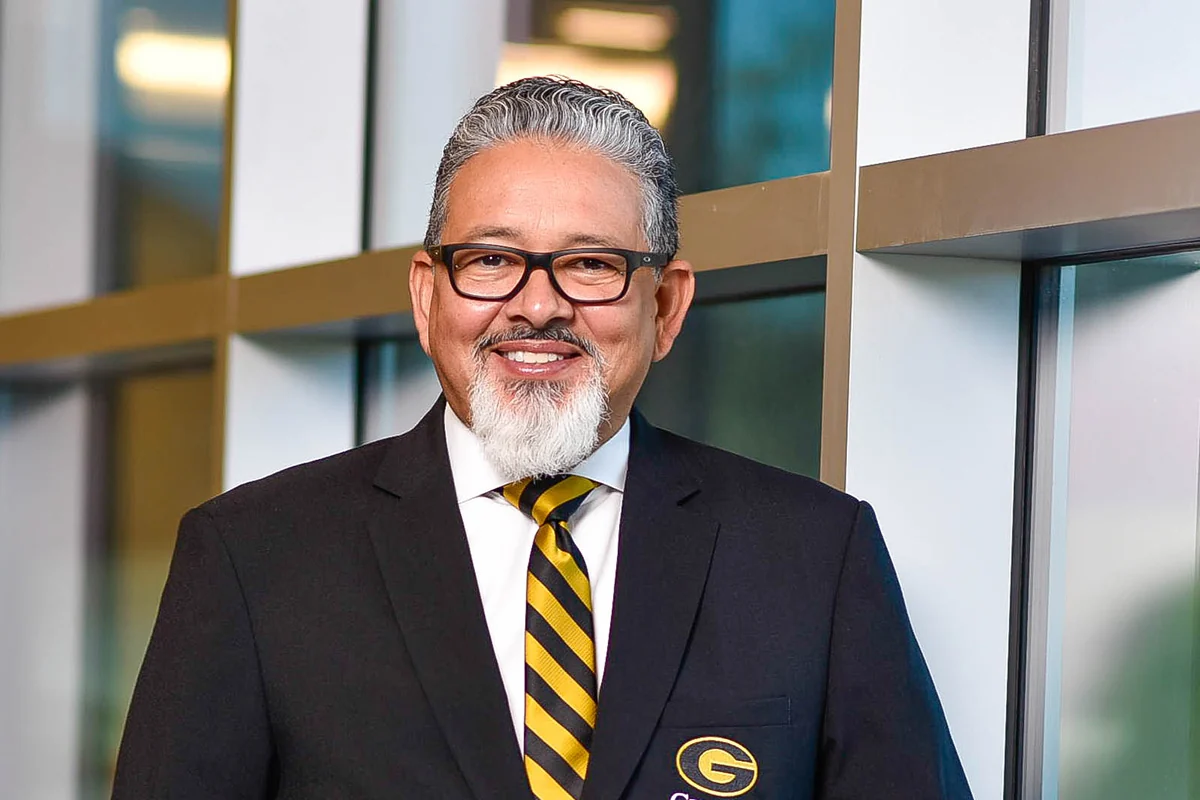
Rick Gallot's resignation as University of Louisiana System President on Friday, effective December 1st, 2026, raises a troubling question: How did a university board hire a leader earning $600,000 a year without discovering he owed $350,000 in federal income taxes? The answer suggests serious gaps in due diligence that higher education institutions cannot afford to overlook.
According to Nola.com's investigation, Gallot owed back taxes dating to 2019—years before he was even considered for the UL System position. He told the publication that his former accountant was responsible for the unpaid taxes and that he is disputing the amount the IRS claims he owes. He also stated he had been trying to resolve the issue since early 2024. Yet the board did not learn about this $350,000 liability until local news reported it Friday, one day before his resignation.
This is not a minor oversight. Gallot came to the UL System in January 2024, having previously led Grambling State University for nearly eight years. His background as a Democratic state lawmaker—serving in the House from 2000 to 2012 and the Senate from 2012 to 2016—made him a public figure whose financial records should have been thoroughly vetted. A $350,000 tax debt is not hidden; it appears in court records that any competent background check would uncover.
Board Chair Mark Romero's announcement that Gallot would resign and 'continue in his role in supporting the system transition efforts' until his faculty assignment adds insult to injury. A leader whose judgment and honesty are now in question should not be helping shape the future of the university system, regardless of the title or the timeline.
The board has now turned to Cade Brumley, Louisiana's superintendent of education since 2020, to lead the system. While this may be a capable choice, the real lesson is that university boards must strengthen their hiring processes. Financial background checks must be rigorous and transparent. Candidates with unresolved tax disputes should face immediate scrutiny, not surprise resignations weeks after taking office.
Higher education institutions hold public trust. When leadership fails because of inadequate vetting, that trust fractures. The University of Louisiana System's board must ensure this does not happen again.