# How Modern Cockpit Security Fails Against Internal Threats
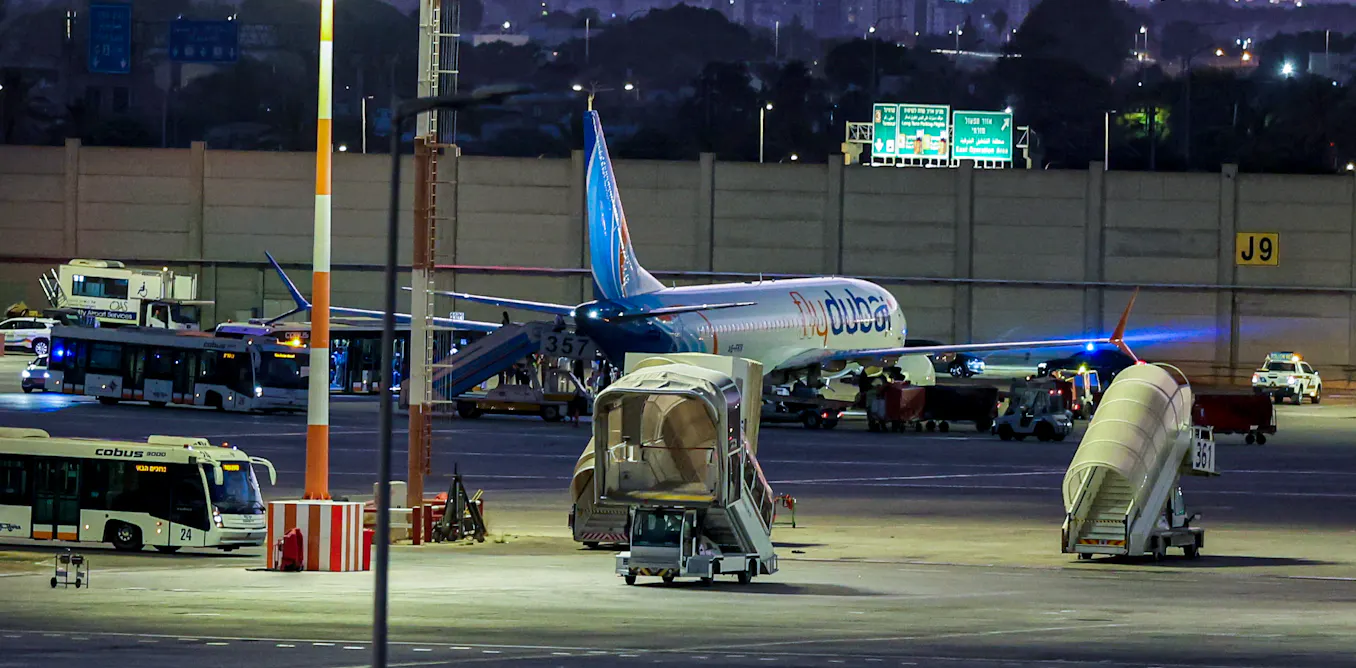
A FlyDubai pilot allegedly stabbed a colleague and attempted to crash the aircraft before passengers intervened. The incident exposes a persistent vulnerability in aviation safety: cockpit doors designed to keep threats out, not in.
Modern aircraft implement reinforced cockpit doors following the September 11 attacks. These barriers successfully prevent unauthorized entry from the cabin. Metal-reinforced construction, video monitoring, and controlled access protocols have become standard across commercial aviation. The Federal Aviation Administration mandated these upgrades after 2001. Airlines worldwide adopted similar measures. The physical security works precisely as intended for external threats.
The FlyDubai case reveals the opposite problem. A pilot, authorized to occupy the cockpit and operate aircraft systems, poses a fundamentally different challenge. No door can prevent an insider with legitimate access from causing harm. The cockpit crew member held operational authority. Colleagues could not simply lock him out without losing piloting capability during flight.
Aviation experts point to crew resource management training and procedural safeguards as the intended defense. Multi-person flight crews exist partly to prevent individual crew members from acting unilaterally. One pilot cannot disable the autopilot or initiate descent without another crew member's knowledge or action. However, these protections assume rational decision-making and physical restraint. They do not account for deliberate sabotage by a trained pilot with access to all flight controls.
The incident occurred at cruise altitude. Passengers and crew members responded physically, subduing the pilot before catastrophic failure. Their actions prevented what could have been a deliberate crash. This represents a breakdown not of door security but of personnel screening and in-flight response protocols.
Airlines conduct background checks and psychological evaluations before hiring pilots. No screening process identifies future threats with complete certainty. Crew training emphasizes recognizing behavioral changes and establishing communication protocols when concerns arise. The FAA and international aviation authorities have not mandated psychological rechecks during a pilot's tenure, despite the long careers pilots maintain in the cockpit.
The distinction matters for policy. Reinforcing cockpit doors further does not address insider threats. Enhanced access controls create delays that prevent crew members from reaching the flight deck during emergencies. Removing barriers compromises security against external threats. The only viable response involves improved personnel monitoring, crew communication training, and clear protocols for incapacitating a crew member who becomes a danger.
This incident also highlights passenger response. Commercial aviation safety depends partly on rapid action by crew and passengers when threats emerge. Unlike the 2001 hijackings, modern passengers understand the stakes. The FlyDubai passengers and crew acted decisively. Their intervention prevented an act that could have killed everyone aboard.
Insurance companies and regulatory bodies will likely review incident response procedures. Airlines may enhance training on recognizing pilot incapacity or instability. Crew communication protocols may shift to require explicit verbal confirmation from both pilots before executing critical maneuvers. These changes address the actual vulnerability: not external access to the cockpit, but the capacity of authorized personnel to misuse their position.
Aviation remains extraordinarily safe. Commercial aviation records fewer fatal accidents per mile traveled than any other transportation mode. This incident, serious as it is, demonstrates that existing systems and trained personnel responded effectively. Future policy should focus on strengthening the human elements of safety rather than physical barriers that address yesterday's threats.