# ICJ Set to Rule on Rohingya Genocide Case Against Myanmar
The International Court of Justice will deliver a landmark ruling next month in the genocide case brought against Myanmar, potentially reshaping international accountability for mass atrocities and education policy around conflict-affected populations.
The case centers on Myanmar's alleged systematic persecution and killing of the Rohingya, a Muslim ethnic minority. Gambia filed the suit at the ICJ in 2019, accusing Myanmar of violating the Genocide Convention. The court's forthcoming judgment represents one of the most significant genocide cases heard since the Rwanda tribunal and carries implications for how nations address displacement, refugee education, and reconstruction in post-conflict societies.
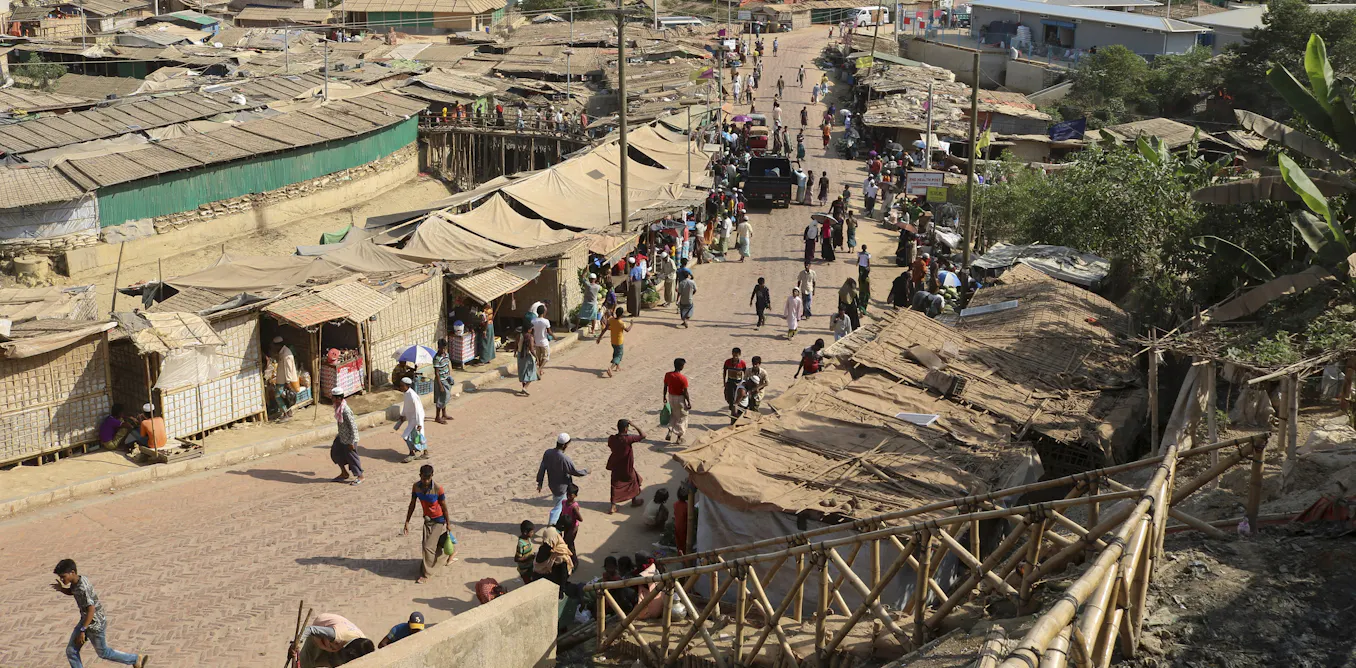
Myanmar's military launched a major offensive against the Rohingya in August 2017, displacing over 700,000 people. Most fled to neighboring Bangladesh, creating one of the world's largest refugee crises. Hundreds of thousands remain in sprawling camps in Cox's Bazar, where educational access remains severely limited. Children there attend informal schools with minimal resources, textbooks, or certified teachers. The Myanmar military has denied genocide, claiming it targeted insurgents in Rakhine State.
The ICJ ruling will address whether Myanmar intended to destroy the Rohingya as a group, the legal standard for genocide. International human rights organizations have documented mass killings, sexual violence, and deliberate destruction of villages. Independent investigations by UN-commissioned researchers concluded genocide took place. Myanmar's former civilian leader Aung San Suu Kyi defended the military's actions in court, though she later faced conviction by Myanmar's military government on unrelated charges.
For educators and students, the case highlights how conflict disrupts schooling. Rohingya children in Bangladesh camps have limited access to formal education systems. Host countries struggle to integrate refugee students into national curricula. Teachers working in camps operate without formal credentials or government oversight. The ICJ ruling may strengthen international pressure on nations to guarantee educational rights for displaced populations.
A genocide determination could trigger international obligations under the Genocide Convention, potentially leading to sanctions, referrals to the International Criminal Court, or intervention demands. It would also validate survivor testimonies and establish historical documentation of atrocities. Educational institutions worldwide use genocide cases to teach international law, human rights, and accountability mechanisms.
The ruling arrives as Myanmar remains isolated internationally following its 2021 military coup. The country's education system itself remains destabilized, with schools closed due to political violence and teacher participation in protest movements. Students in Myanmar have faced restrictions on curriculum content and access to information.
For the global education community, the ICJ decision underscores how geopolitics, conflict, and humanitarian crises intersect with schooling. Refugee camps like those housing Rohingya populations represent educational challenges requiring sustained international focus. Teachers, administrators, and policymakers must grapple with questions about how to serve displaced students when host countries lack resources and political will.
The ruling will arrive decades after the Genocide Convention's adoption, yet still represents progress in holding states accountable for mass atrocities. It signals that courts can act, even when action comes slowly.