# Judaism's High Holidays Center on Human Relationships Before Divine Forgiveness
The closing prayers of Yom Kippur, Judaism's holiest day, emphasize a principle that shapes the entire faith tradition. Before seeking forgiveness from God, Jewish practice requires individuals to repair broken relationships with other people first. This sequence matters. It establishes that ethical behavior toward humans ranks as a prerequisite for spiritual reconciliation.
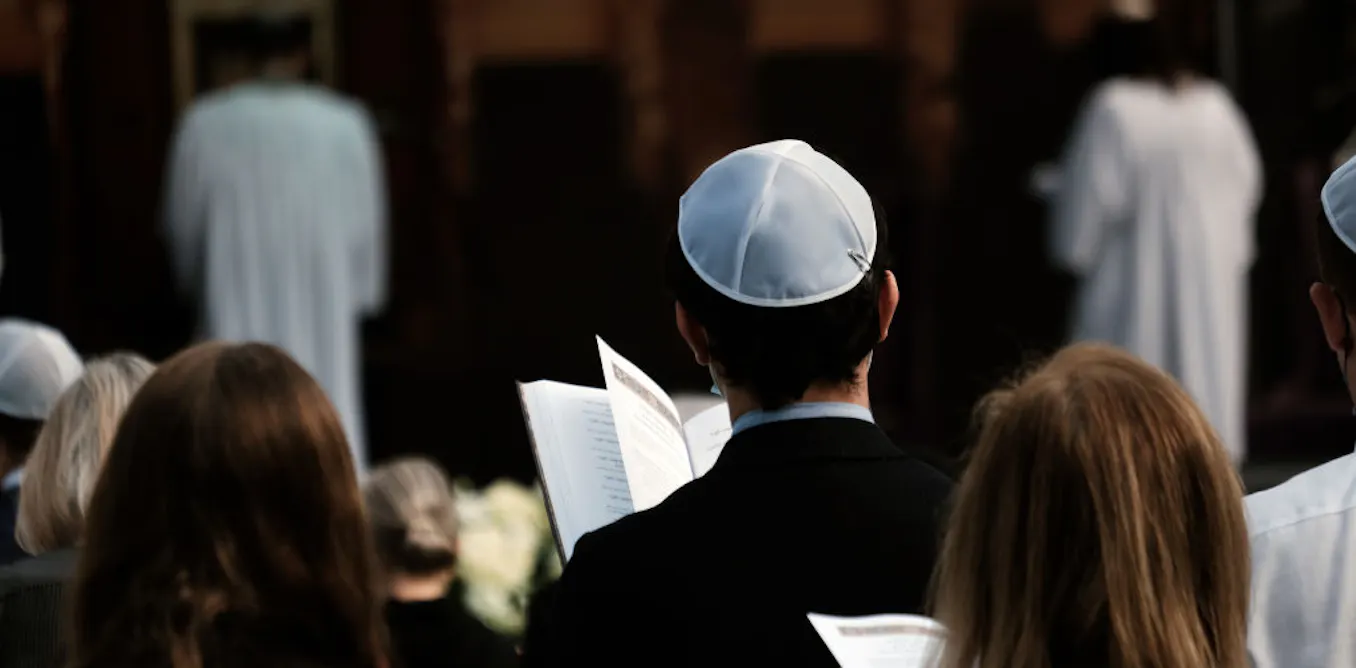
Yom Kippur concludes the ten-day period known as the High Holidays, which begins with Rosh Hashanah, the Jewish New Year. During this time, observant Jews engage in intensive self-reflection and repentance. The liturgy guides this internal work through specific prayers and communal gatherings that span from sundown to sundown on Yom Kippur itself.
The theological foundation runs deeper than ritual. Jewish teaching, rooted in Torah and developed through centuries of Talmudic commentary, holds that interpersonal wrongs cannot be erased by divine absolution alone. The Mishnah, a central text of Jewish law compiled around 200 C.E., explicitly states that Yom Kippur atones only for sins between humans and God. Sins committed against other people require direct apology and restitution to the wronged party. Only then can broader spiritual forgiveness follow.
This framework reflects a distinct approach to morality within monotheistic tradition. Christianity and Islam also emphasize ethical behavior, but Judaism's formal structure demands concrete relational repair as a procedural step, not merely an internal intention or belief. A person cannot simply pray away harm caused to a neighbor. Asking for forgiveness from the person harmed comes first. Without that step completed, the spiritual work remains incomplete.
The High Holidays thus function as both personal and communal accountability mechanisms. Families often use the period to mend fractured relationships before the holiday concludes. Workplaces, schools, and communities see people reaching out to settle disputes. The closing prayers of Yom Kippur affirm this work by celebrating those who have already reconciled with each other.
This emphasis on horizontal relationships before vertical ones extends beyond the holidays themselves. It shapes how Jews approach daily ethical obligations year-round. Tzedakah, often translated as charity but more accurately understood as justice, remains a religious obligation, not voluntary kindness. Visiting the sick, welcoming strangers, and resolving conflicts lawfully all count as core religious duties, not peripheral good deeds.
The closing prayers reflect this integration of the relational and the spiritual. As observant Jews enter the new year after Yom Kippur concludes, they do so having theoretically completed both interpersonal and divine reconciliation. The sequence matters because Judaism teaches that genuine spiritual standing depends on actual relational integrity. A person cannot claim closeness to God while maintaining broken relationships with people created in God's image.
For educators teaching about religious traditions, this model offers insight into how Judaism structures moral development differently from some Western philosophical frameworks that separate personal ethics from spiritual practice. The High Holidays demonstrate that for Jewish tradition, these dimensions remain inseparable. Repairing the world begins with repairing relationships between people.