# How Classroom Routines and Rituals Build Inclusive Spaces for All Students
Predictability works. When teachers establish clear routines, rituals, and rites of passage, students know what comes next. They understand expectations. They feel safe. This foundation matters most for the students who struggle most in chaotic environments.
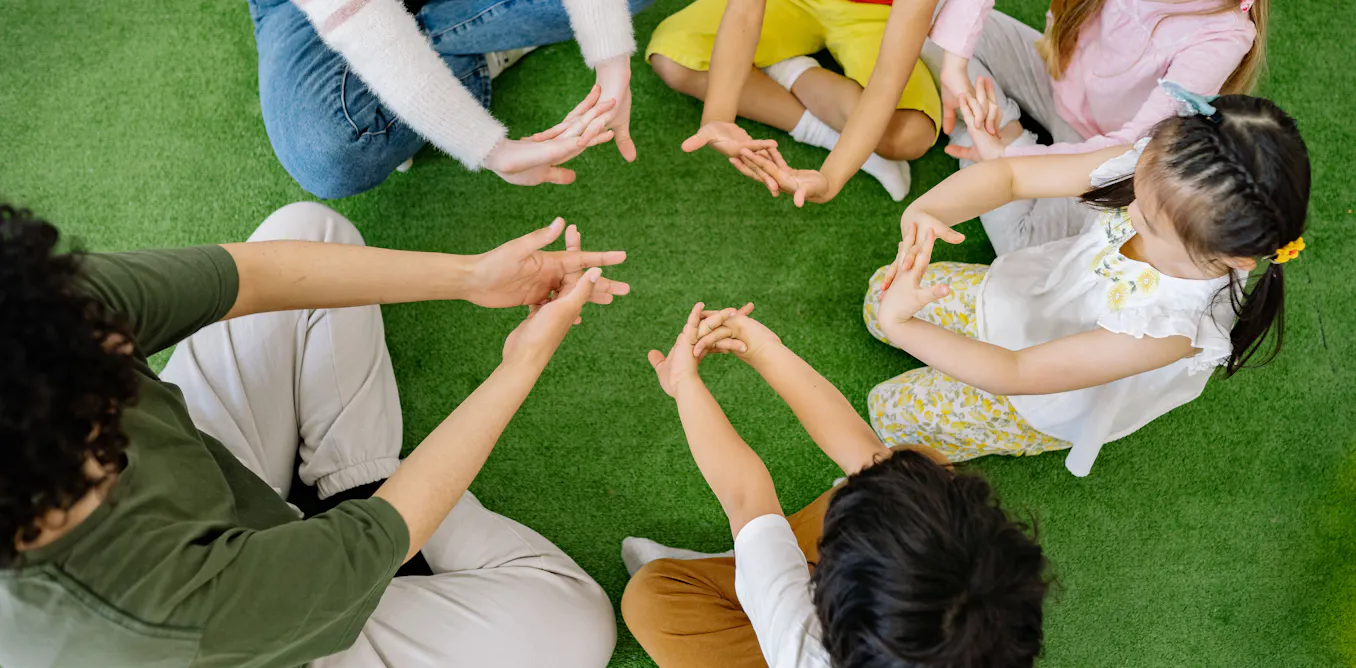
Routines differ from rituals. Routines are procedural. They answer logistics. When does math start? How do we line up for lunch? What happens when we finish early? Rituals carry meaning and identity. They mark moments. A class greeting ritual at the start of day signals belonging. A weekly celebration of student work builds community. Rites of passage mark transitions. Moving from lower grades to upper grades becomes an event, not just a date change.
Research in classroom management confirms what teachers observe daily. Students with ADHD, anxiety, autism spectrum disorder, and trauma histories benefit most from explicit structure. They do not have to burn cognitive energy decoding unspoken rules. They know the sequence. Predictability reduces behavior incidents because uncertainty no longer triggers anxiety or frustration.
For students learning English as an additional language, routines serve as scaffolding. They can follow visual schedules, repeated gestures, and consistent transitions even before language fluency develops. Classrooms that rely on verbal instructions alone exclude students who need time to process or who cannot access auditory information quickly.
Inclusivity means designing routines that work for everyone, not adding accommodations after the fact. Universal design principles apply here. A consistent greeting ritual welcomes every student the same way. A predictable transition signal works for the student with a hearing aid and the student taking a test accommodation in another room.
Rites of passage matter because they make invisible progress visible. A first-grader reading her first book aloud. A middle schooler presenting research to the class. A high schooler graduating to senior status. Without rituals marking these moments, some students feel their growth goes unnoticed. Students from families where school traditions did not exist often appreciate explicit recognition most.
Teachers report that consistent routines reduce time spent on discipline and increase instructional time. When children know routines, transitions take seconds instead of minutes. When rituals exist, students self-regulate because the structure is external before it becomes internal.
Building this takes planning. Teachers must identify which routines matter most. Too many rules overwhelm. A handful of clear, practiced routines work better. Rituals require intention. They cannot feel forced. They need repetition until they become natural.
Inclusive classrooms treat routines and rituals as curriculum content, not obstacles to instruction. Teachers teach them like they teach math or reading. They practice them. They refine them. They celebrate when students own them.
The payoff appears across all demographics. Neurodivergent students access learning better. Multilingual learners progress faster. Students with trauma histories feel containment and safety. Students from majority cultures benefit too. Nobody loses when predictability increases.
Routines and rituals cost nothing. They require only deliberate design and consistent practice. Schools that invest in these foundations report stronger cultures, better attendance, and improved academic outcomes.