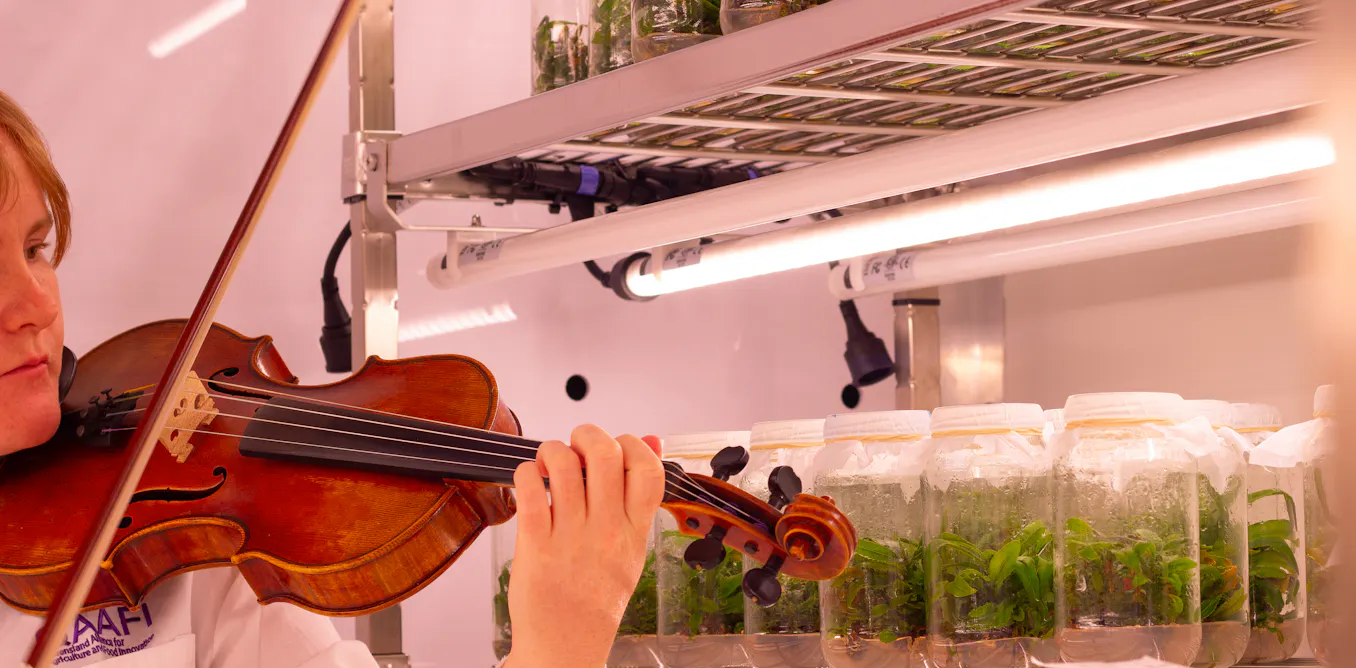
# Does Music Really Help Plants Grow? Here's What Science Shows
The claim that playing music accelerates plant growth has circulated for decades, capturing the imagination of gardeners and plant enthusiasts. Popular culture has reinforced this idea, with stories of classical music producing healthier, faster-growing plants than other genres. But researchers who study plant biology offer a more measured assessment.
The scientific evidence for music's direct effect on plant growth remains weak. Most rigorous studies find no consistent link between sound vibrations and increased plant development. Plants lack ears and nervous systems. They cannot hear music the way animals do. Their growth depends on specific biological mechanisms: light exposure, water, soil nutrients, carbon dioxide levels, and temperature.
A frequently cited 1973 study by Dorothy Retallack suggested that plants exposed to rock music grew less than those near classical music. However, scientists have struggled to replicate her results. Controlled experiments often fail to show that genre matters. When researchers isolate variables properly, music produces no measurable boost to photosynthesis, biomass accumulation, or root development compared to silent controls.
Some researchers theorize that if sound waves affect plants at all, the effect operates through physical vibration rather than musical content. Low-frequency vibrations might theoretically stimulate cellular activity. Yet even this hypothesis lacks strong experimental support. Studies measuring plant growth under controlled sound conditions have yielded mixed or null results.
What actually matters for plant health follows straightforward biology. Indoor plants thrive when placed near windows for adequate light. Consistent watering schedules prevent stress. Balanced fertilizer supplies necessary nitrogen, phosphorus, and potassium. Humidity levels and air circulation matter more than any audio stimulus.
The appeal of the music-and-plants idea reflects how humans project meaning onto nature. People enjoy the ritual of talking to plants and playing music around them. These behaviors create pleasant environments where gardeners spend more time caring for plants thoughtfully. Someone playing music while tending their garden likely waters more regularly, notices pest problems earlier, and prunes more attentively. That improved care explains better plant health, not the music itself.
Gardeners and indoor plant owners should focus energy on the fundamentals. Understand your plant species' specific light and water needs. Monitor soil moisture. Provide drainage holes to prevent root rot. Feed during growing seasons. These evidence-based practices consistently produce thriving plants.
If you enjoy playing music while gardening, continue. A pleasant soundscape makes the work enjoyable. But recognize that the benefit comes from your increased attention and engagement, not from the sound waves reaching your philodendron or succulent. Plants respond to physics and chemistry, not melodies.