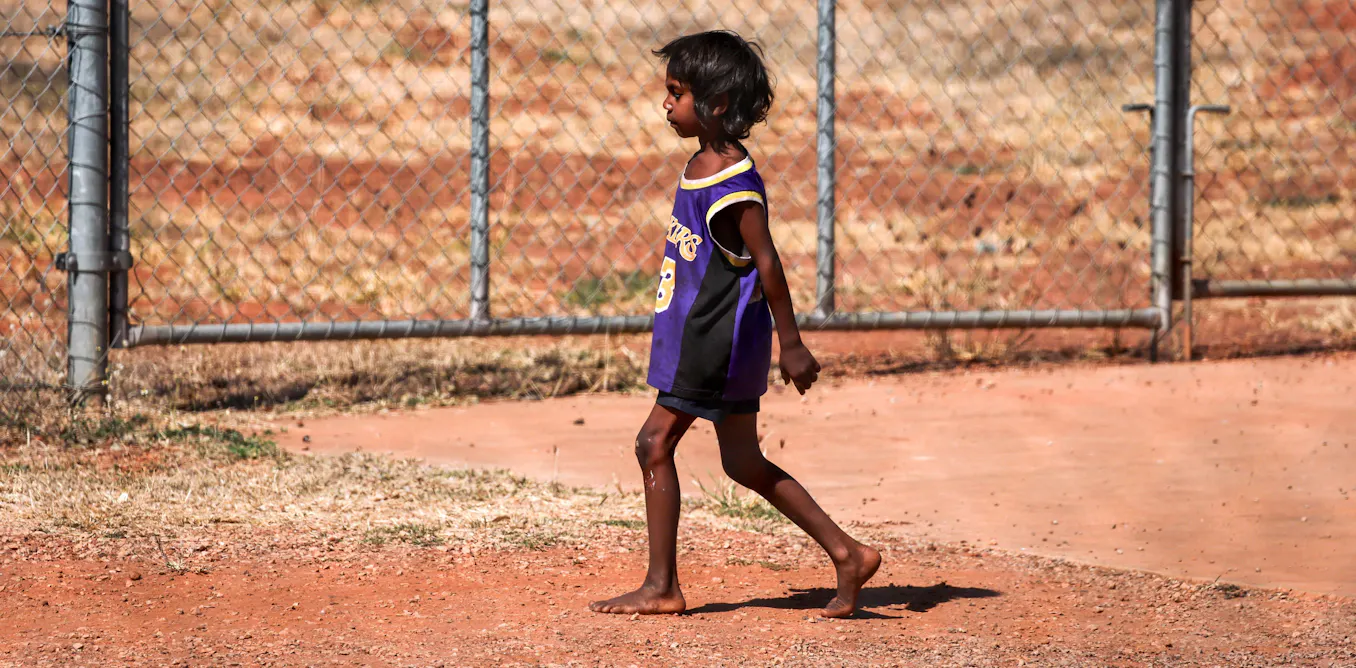
Western Australia confronts a cascading child welfare emergency, with reports documenting up to 15 children left unsupervised in deteriorating conditions in the Pilbara region. The incident exposes systemic breakdowns in child protection infrastructure across the state, yet experts argue swift interventions remain possible.
The Pilbara case represents the visible tip of a deeper crisis. Children living without adequate guardianship, nutrition, sanitation, or supervision face immediate physical harm and long-term developmental damage. Such situations typically emerge from combinations of parental incapacity, poverty, social isolation, and overwhelmed child protection systems struggling to respond in real time.
Western Australia's Department of Communities, which oversees child safety, operates under chronic resource constraints. Caseworkers manage caseloads exceeding recommended ratios. Investigations stretch across vast geographic areas where remote communities lack consistent monitoring. The state recorded concerning numbers of children in out-of-home care, reflecting both systemic need and systemic capacity limits.
The Pilbara itself presents particular challenges. The region spans vast distances with dispersed Indigenous and non-Indigenous communities, limited access to mental health services, substance abuse treatment, and housing options. Reporting mechanisms break down when services lack funding for follow-up. Schools, community centers, and health clinics operate as early-warning systems, but they function only when adequately staffed and connected to rapid response teams.
Experts identify specific interventions with proven track records. Intensive family support programs reduce crisis incidents by providing in-home assistance, parenting education, and material support before children reach danger thresholds. Early childhood screening programs identify vulnerable families during pregnancy and infancy. Coordinated response systems that link schools, health services, and child protection agencies catch problems earlier than reactive investigations alone.
Increased caseworker hiring and training addresses the workforce gap directly. WA's Department of Communities requires additional capacity to investigate reports thoroughly, conduct home visits at appropriate intervals, and maintain monitoring relationships with at-risk families. Remote work arrangements and regional support hubs can improve service reach without forcing experienced workers into isolated postings.
Community-based prevention matters equally. Peer support networks, parenting groups, and accessible mental health services reduce isolation and stress that triggers neglect. Indigenous communities benefit from culturally grounded interventions that respect existing kinship structures rather than imposing external models. Local hiring and leadership in child protection programs builds trust and local knowledge.
Housing and poverty interventions operate upstream. Families in severe housing insecurity face overwhelming stress that compromises parenting capacity. Access to stable housing, income support, and emergency assistance prevents cascades of neglect. States that paired child protection reform with housing programs saw measurable reductions in removal rates.
Accountability mechanisms matter. Regular audits of casework quality, mandatory training standards, and transparent reporting on response times create pressure for improvement. Funding tied to outcomes rather than inputs incentivizes efficiency and effectiveness.
The Pilbara case did not develop overnight, but neither do fixes require years to implement. Hiring caseworkers takes months, not years. Training programs launch rapidly. Prevention services scale quickly with adequate funding. Indigenous communities can establish culturally responsive systems when resources reach them.
Western Australia has the policy knowledge and institutional models to prevent future Pilbara cases. What remains is political commitment to fund and staff the system adequately.