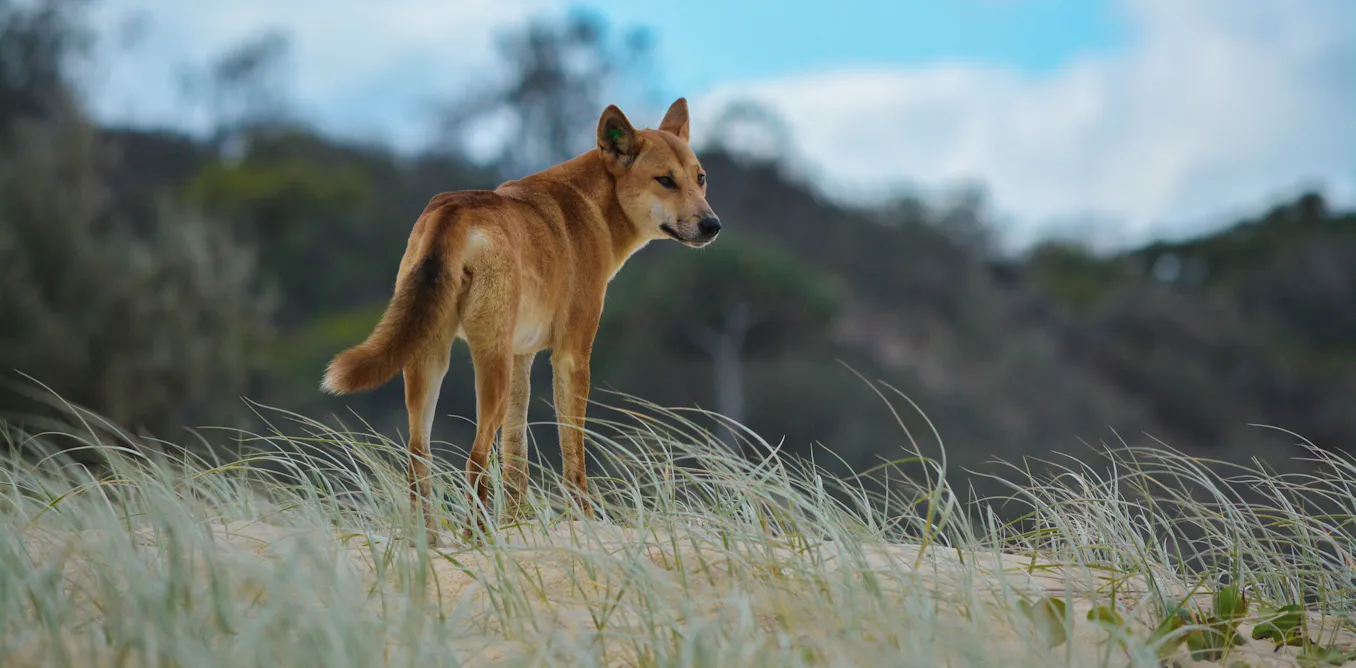
# NSW Launches Inquiry Into Dingo Protection as Farmers and Conservationists Clash
New South Wales has initiated a formal inquiry into dingo management and conservation within national parks, marking a turning point in how the state handles one of Australia's most contentious wildlife issues. The push to strengthen protections for dingoes in NSW national parks reflects growing scientific evidence about their ecological role, but also intensifies longstanding tensions between conservation advocates and agricultural interests.
The inquiry will examine the current management framework for dingoes across NSW's protected areas. State authorities are facing pressure to reconsider policies that have historically prioritized livestock protection over dingo conservation. Dingoes, Australia's native wild dog, have long been viewed as threats to sheep and cattle operations. Traditional management has relied on culling, fencing, and poison baiting to reduce dingo populations in farming regions.
Recent ecological research presents a different picture. Studies show dingoes play a key role in managing invasive predators like feral cats and foxes. By occupying the top predator niche, dingoes suppress populations of smaller predators that threaten native wildlife, including endangered species. This ecological function has prompted wildlife scientists to advocate for a more nuanced approach that separates conservation zones from agricultural protection areas.
The inquiry faces inherent tensions. Farmers argue that dingoes pose genuine economic risks to livestock production. Rural communities have invested in dingo control infrastructure and management practices over decades. Some regions report significant sheep losses attributed to dingo predation. The agricultural sector will press for continued culling rights and government support for on-farm protection measures.
Conservation groups counter that blanket culling strategies have proven ineffective at controlling dingo populations over the long term while damaging ecosystem health. They point to protected areas where dingoes have recovered following culling reductions, resulting in measurable improvements in native biodiversity. These advocates support zoning approaches that allow dingo populations to thrive in national parks and wilderness areas while maintaining livestock protection in surrounding agricultural zones.
The NSW inquiry will need to examine evidence from other states and countries that have experimented with dingo management alternatives. Some research suggests non-lethal approaches like improved fencing, guardian animals, and strategic deterrents can reduce livestock losses without requiring extensive culling programs. The cost-benefit analysis of different strategies will likely feature prominently in the inquiry's deliberations.
Timing matters for this decision. NSW national parks cover significant territory, and the dingo population within these areas remains relatively small. The inquiry's recommendations could determine whether dingoes recover and establish viable populations in protected spaces, or whether current control practices continue to suppress their numbers. This outcome will ripple through ecosystem management across the state.
The inquiry represents recognition that dingo management requires evidence-based policy rather than tradition-based responses. How NSW balances these competing interests over the coming months will set a precedent for other Australian states and influence national wildlife policy for years to come.