# Brazil's Education Stakes in 2026 Presidential Race
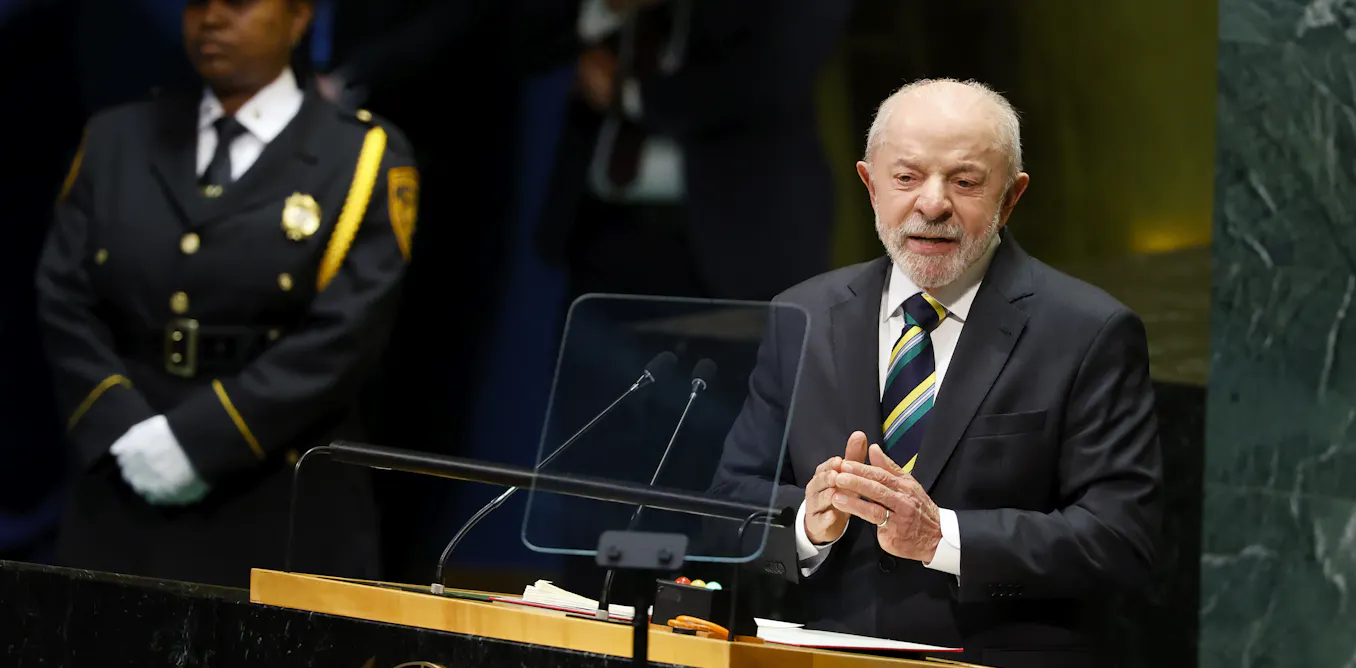
President Luiz Inácio Lula da Silva's United Nations address this year underscored a fundamental divide over national identity and policy direction that will shape Brazil's education system for years to come. The upcoming 2026 presidential election, which may pit Lula against Flávio Bolsonaro, represents far more than a routine political contest. It reflects competing visions of Brazilian nationalism that directly affect how schools operate, what curricula teach, and who gains access to higher education.
This split traces back decades. The left-wing model, associated with Lula's Workers' Party, emphasizes inclusive nationalism built on expanding access to education, particularly for poor and Black Brazilians. The right-wing approach, championed by the Bolsonaro family, prioritizes a more nationalist, conservative education framework emphasizing traditional values and security.
The practical differences matter enormously for students. Under Lula's first presidency (2003-2010) and his return to power in 2022, the government expanded affirmative action policies in universities, increased federal investment in technical and vocational education, and created programs like ProUni, which offers scholarships to low-income students at private institutions. These policies explicitly aimed to diversify who attends higher education and reduce inequality.
Jair Bolsonaro's 2018-2022 presidency pursued different priorities. His education minister, Abraham Weintraub, pushed to reduce funding for federal universities, promoted homeschooling, and aligned curriculum with conservative social agendas. Military schools expanded during his term, reflecting the emphasis on discipline and nationalist values. Federal university funding fell in real terms during those four years.
Lula's UN address framed Brazilian nationalism around social inclusion and development for all citizens, positioning education as central to reducing inequality. This reflects his party's belief that national strength depends on educating the entire population, not just elites. The Workers' Party sees education spending as an investment in human capital and social mobility.
The Bolsonaro camp views nationalism differently, emphasizing tradition, order, and sovereignty. Their education approach prioritizes parental control over curriculum, limits on university autonomy, and skepticism toward diversity initiatives. They argue that focus on inclusion dilutes academic rigor and undermines meritocracy.
The stakes intensify because Brazil's Constitution allocates education funding through specific mechanisms. Disputes over how much federal money reaches universities, technical schools, and K-12 systems directly reflect these competing visions. Teachers unions, university administrators, and student organizations all mobilize around these issues during election cycles.
Flávio Bolsonaro, Jair's son and a senator, represents continuity with his father's education policies while potentially offering his own additions. His political positioning will clarify which elements of the previous administration's approach he intends to revive or strengthen.
For Brazilian families, the choice between these visions shapes whether education serves primarily as a pathway for social mobility or as a system emphasizing stability and traditional knowledge transmission. The 2026 election will determine whether affirmative action policies expand, contract, or remain stable. It will influence whether federal universities remain tuition-free. It will affect teacher salaries and school infrastructure investment across poorer regions.
This nationalist divide transcends typical left-right debates about tax policy or economic regulation. It represents fundamentally different philosophies about education's purpose in society and who deserves access to its benefits.