# England's Rainfall Paradox: Why Wet Weather Won't End the Drought
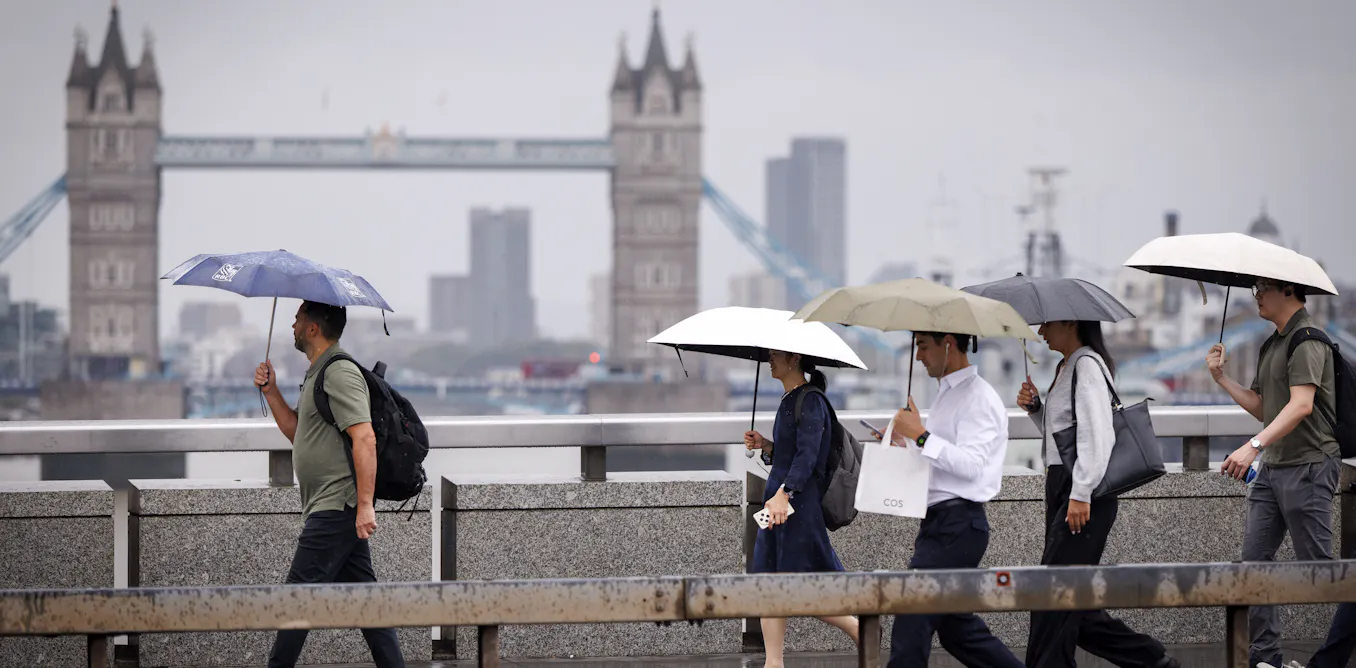
England has experienced significant rainfall in recent months, yet water companies continue to warn of drought conditions. This apparent contradiction reflects a gap between what people observe on the surface and the complex hydrology that determines actual water availability.
The answer lies beneath the ground. While rain falls steadily, England's groundwater reserves remain depleted from months of dry weather that preceded the rainfall. Aquifers and underground water tables take weeks or months to recharge, even when precipitation increases substantially. Surface water from rain runs off quickly into rivers and streams, but the slow percolation process that refills underground reserves operates on a much longer timescale.
England experienced severe drought conditions through 2022 and into 2023, driven by persistent dry spells and record heat. The 2022 summer ranked among the driest on record for large parts of the country. During this period, water companies imposed hosepipe bans and urged consumers to reduce usage. Even as autumn and winter brought wetter weather, the damage to underground reserves persisted.
Hydrologists distinguish between meteorological drought, the lack of rain, and hydrological drought, the depletion of water resources. England shifted from the first to the second category. Rainfall may have ended the meteorological drought, but hydrological conditions lagged behind by months.
Water companies pull supplies from two primary sources: surface reservoirs and groundwater aquifers. Reservoirs respond quickly to rainfall, filling within days or weeks. Aquifers, by contrast, depend on sustained recharge periods. The chalk and sandstone formations that store England's groundwater recharged primarily during winter months, when rainfall was heaviest but evaporation lowest. A single wet month could not undo months of deficit.
The Environment Agency monitors drought conditions through multiple indicators, not rainfall alone. Officials track reservoir levels, borehole measurements, river flows, and soil moisture across different regions. These metrics told a more complicated story than the visible return of green grass and full skies.
Climate patterns matter enormously. The dry spell that preceded the rainfall stemmed partly from high pressure systems that blocked Atlantic weather systems from reaching England for extended periods. Forecasters worried that similar patterns could recur, making water conservation essential even during wetter phases.
This situation illustrates why water companies have shifted toward longer-term planning rather than reactive responses to individual dry seasons. The Environment Agency and water companies in England have called for enhanced water infrastructure, including more reservoirs, improved water transfers between regions, and stricter efficiency standards for industrial users and households.
The drought experience has exposed vulnerabilities in how England manages water resources during climate variability. As weather patterns grow more extreme and unpredictable, utilities must account for both immediate conditions and longer-term recharge cycles. A few weeks or months of rain, while welcome, provides insufficient reassurance about water security without corresponding recovery in underground reserves that supply much of England's drinking water.