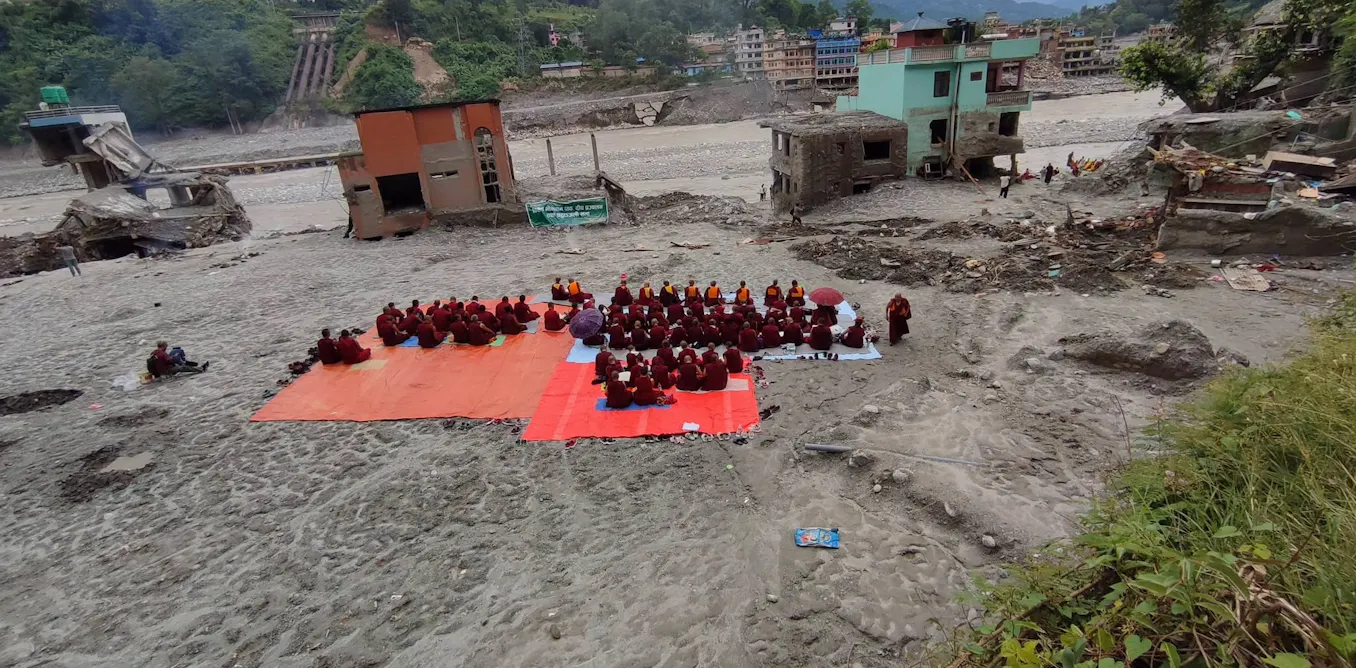
# Nepal's Path to Disaster-Resilient Development Offers Global Blueprint
Nepal faces a stark reality. Continued development in earthquake-prone zones, landslide areas, and flood-vulnerable regions creates mounting risks for millions of residents. The country's experience recovering from the 2015 earthquake that killed nearly 9,000 people and displaced hundreds of thousands demonstrates both the costs of poor planning and the opportunity to rebuild differently.
The 2015 earthquake exposed fundamental weaknesses in Nepal's approach to development. Communities rebuilt in the same vulnerable locations using similar construction methods that had failed during the disaster. Weak building codes, inadequate enforcement, and economic pressure to develop quickly meant that reconstruction reinforced existing hazards rather than reducing them.
That pattern repeats across the developing world. Bangladesh continues expanding settlements in cyclone-prone coastal zones. The Philippines builds in typhoon paths. Indonesia develops in tsunami-vulnerable areas. Poverty drives these decisions. Families need housing. Governments need tax revenue. But this cycle traps communities in escalating disaster risk.
Nepal now has the chance to interrupt that cycle. The country sits at the intersection of three geological hazard zones: the Himalayan earthquake belt, monsoon-driven landslide terrain, and major river flood plains. No country has better practical motivation to pioneer sustainable post-disaster development.
Sustainable recovery in Nepal requires three shifts. First, hazard mapping must inform all development decisions. The Nepali government should mandate that new construction avoids the highest-risk zones entirely. Where development must occur in hazardous areas, buildings must meet earthquake-resistant standards enforced through inspection and penalties.
Second, relocation programs should offer genuine alternatives. Rather than rebuilding destroyed homes in place, Nepal could establish safer settlements in lower-risk areas, with government support for families willing to move. Indonesia's post-tsunami programs attempted this approach with mixed results, but Nepal could learn from those failures.
Third, nature-based solutions deserve investment. Reforestation reduces landslide risk on slopes. Wetland restoration slows flood surge. These approaches cost less than structural defenses and deliver broader environmental benefits.
The global community should support this transition. International donors funding Nepal's recovery can tie reconstruction aid to hazard-informed development standards. The World Bank, Asian Development Bank, and bilateral donors have leverage. They should use it.
Nepal's recovery choices ripple beyond its borders. Countries facing similar hazard exposure watch closely. A successful demonstration that sustainable development can coexist with economic recovery would influence building policy across South Asia and beyond. Failure to change course would reinforce the message that hazard zones are simply acceptable development zones if you accept the losses.
The window for different choices closes quickly. As reconstruction accelerates in Nepal, each decision to build in known hazard zones becomes harder to reverse. The construction boom that follows disaster typically lasts two to three years. Nepal's critical period is now.
The 2015 earthquake gave Nepal unintended clarity about risk. Whether the country translates that knowledge into transformed development policy will determine not just Nepal's safety, but also whether other vulnerable nations believe sustainable disaster recovery is actually possible.