# Nepal Seeks Climate Aid as 119 Nations Wait for New Loss and Damage Fund
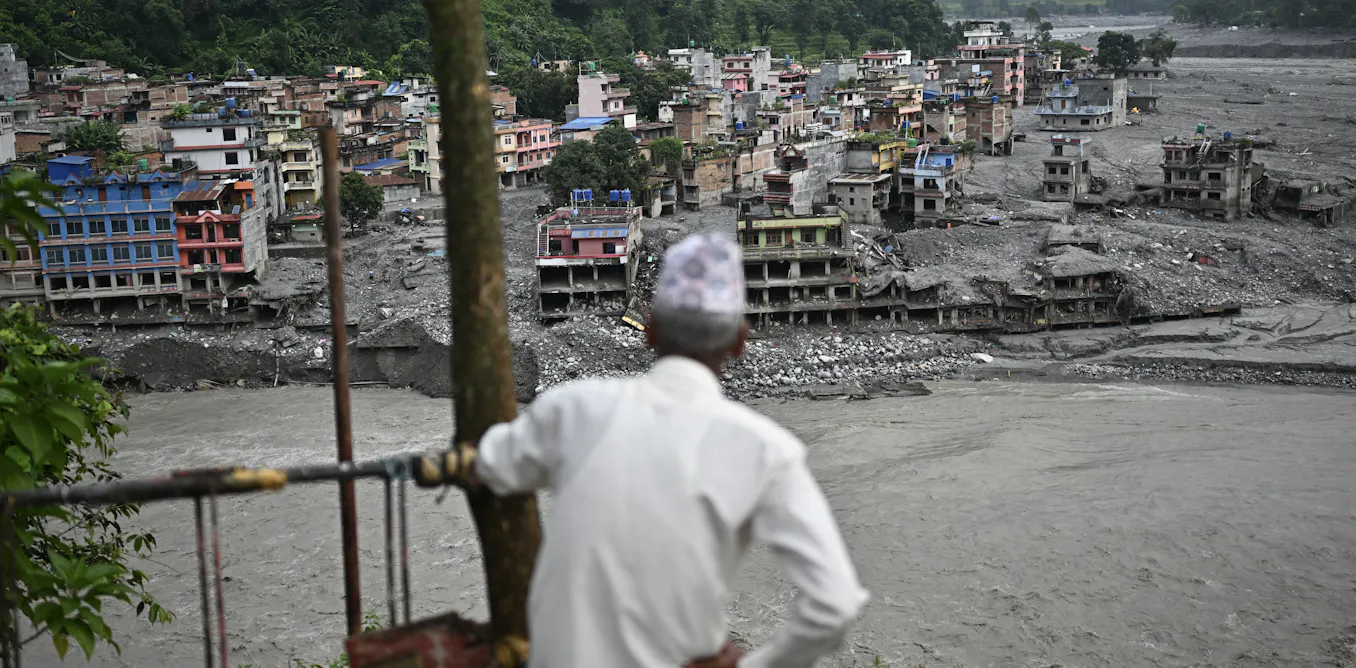
Nepal has formally requested $20 million from the newly established Loss and Damage Fund to address flooding that devastated the country. The request reflects a broader crisis: 118 other nations also wait in queue for assistance from a mechanism designed to help developing countries cope with climate disasters they did not cause.
Nepal's Foreign Minister framed the claim as more than a financial transaction. He called it "a demand for justice" and an assertion of "legal and moral liability." The statement captures the core tension in global climate negotiations: wealthy nations that industrialized through high emissions now resist paying developing countries for climate-related disasters.
The Loss and Damage Fund officially launched at COP29 in Baku, Azerbaijan in late 2024, after years of negotiation. Wealthy nations committed initial funding of approximately $700 million, though developing nations argue this falls far short of actual needs. Nepal's $20 million request represents a fraction of the damage Nepal sustained from monsoon flooding that killed dozens and displaced thousands.
The fund structure creates immediate bottlenecks. Nepal and 118 other countries have submitted requests, but the fund lacks clear criteria for disbursement, timelines for approval, or mechanisms to process claims quickly. Some nations face year-round climate disasters. Waiting months or years for aid approval means communities remain vulnerable and reconstruction stalls.
This delay matters for students and families in affected regions. When schools flood or become displacement centers, children miss months of instruction. Teachers struggle to resume lessons without functional buildings or materials. In Nepal, flooding already disrupts the academic calendar in vulnerable districts.
The fund represents a historical shift in climate accountability. For decades, developing nations demanded that wealthy countries pay for adaptation and loss related to climate change. The principle gained recognition at COP27 in 2022, but implementation stalled. COP29 finally created a formal mechanism, though with funding many experts call inadequate.
Bangladesh, Pakistan, and the Philippines have similarly submitted claims. These nations face recurring typhoons, cyclones, and flooding that destroy infrastructure, displace millions, and set back development gains. Each dollar delayed is a dollar that communities cannot use for immediate recovery or resilience-building.
Nepal's framing as a justice issue reflects how developing nations view the fund. They argue that their flooding, droughts, and storms result from emissions produced primarily by high-income countries. Therefore, loss and damage payments constitute compensation, not charity or aid.
The educational sector faces particular strain. Schools in flood-prone regions lack resources to build back better. Teachers in Nepal work with limited materials even before disasters strike. Loss and Damage Fund money could support climate-resilient school construction, early warning systems, and disaster preparedness training.
The queue of 119 nations seeking assistance will test whether the fund becomes a meaningful tool for climate justice or remains a symbolic gesture. Clear approval processes, transparent criteria, and significant funding increases will determine whether countries like Nepal receive help within months rather than years. Without faster disbursement, the gap between climate impacts and financial support will only widen.