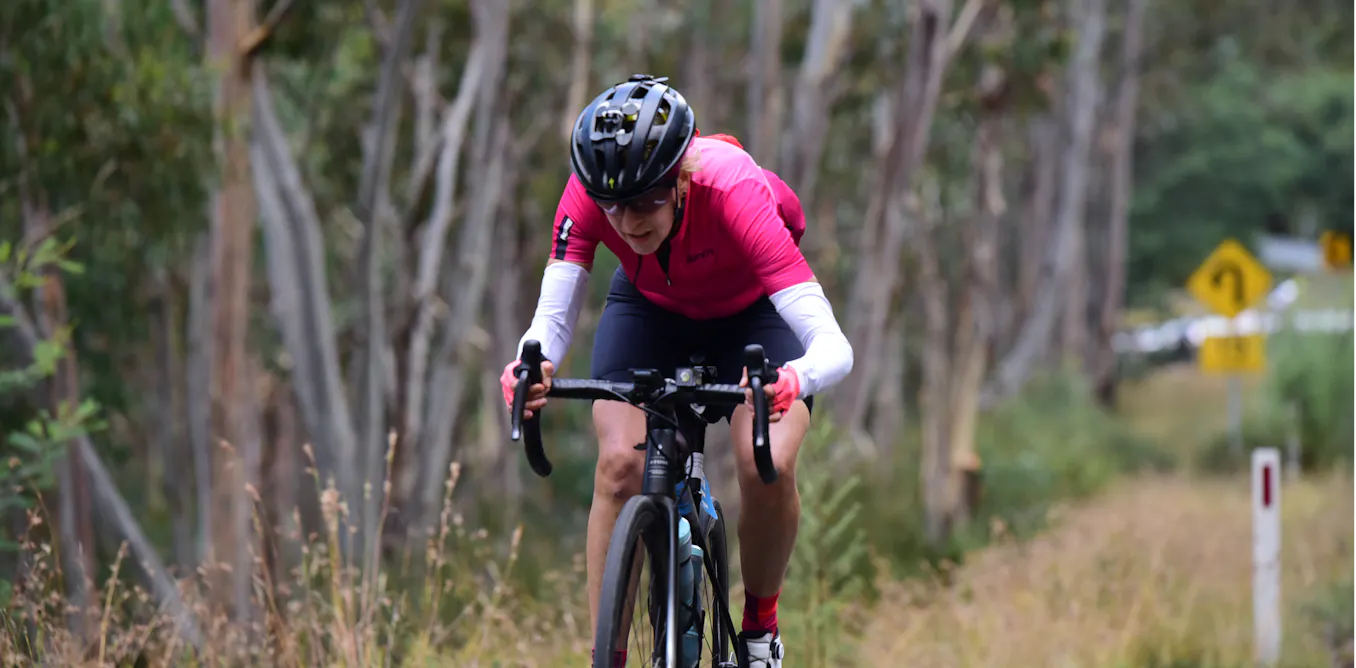
# Saskia Beudel's 'Peaking' Explores Age, Athletics, and the Politics of the Aging Female Body
Saskia Beudel's new book "Peaking" offers a rare, unflinching look at what happens when a woman in her 50s refuses to accept cultural narratives about decline and physical limitation. Through the lens of endurance cycling, Beudel examines how her changing body becomes a site of both personal discovery and quiet resistance.
The book moves beyond typical sports memoir territory. Beudel doesn't simply chronicle races won or personal records set. Instead, she interrogates the relationship between aging, embodiment, and the social expectations placed on women as they move through midlife and beyond. Her approach challenges the pervasive assumption that peak physical performance belongs exclusively to youth.
Endurance cycling serves as Beudel's primary vehicle for exploration. The sport demands sustained effort, mental resilience, and intimate knowledge of one's own body's capabilities and limitations. For Beudel, cycling becomes a practice through which she can continue testing her physical limits while documenting the very real changes that accompany aging. This isn't about denying those changes or pretending they don't exist. It's about refusing to use them as an excuse for withdrawal or diminishment.
What makes "Peaking" distinctive is its attention to the often-invisible ways gender and age intersect in athletic spaces. Women athletes face particular pressures around aging. Media coverage, sponsorship opportunities, and cultural recognition often dry up sharply once female athletes reach a certain age. The implicit message runs clear: your athletic value has expired. Beudel's work pushes back against this calculus by insisting that endurance, achievement, and physical challenge remain meaningful and possible in midlife.
The book also engages with broader questions about how bodies are perceived and valued in contemporary culture. Beudel examines the gap between how aging male athletes are typically celebrated for "defying age" versus how aging female athletes are more often pitied or treated as anomalies. This gendered double standard operates quietly but powerfully, shaping everything from media coverage to how women themselves internalize beliefs about their own aging bodies.
"Peaking" reaches beyond the cycling community. The work speaks to anyone navigating the complex terrain of aging in a youth-obsessed culture. Parents returning to sports after decades away, people managing chronic conditions while seeking physical challenge, or simply adults grappling with bodies that no longer behave as they once did will find Beudel's reflections relevant and bracing.
Her writing style reflects her analytical approach. Beudel combines personal narrative with broader cultural critique, moving fluidly between descriptions of training rides and discussions of representation, resilience, and what it means to inhabit a female body across time. The book refuses easy answers or inspirational platitudes. Instead, Beudel offers readers something more honest and grounded: a thoughtful account of what continued physical ambition looks like when you're not supposed to have any.
The work ultimately positions endurance cycling as an act of self-definition. For Beudel, pedaling through her 50s means asserting her right to take up space, to pursue difficulty, and to refuse scripts written by others about who she should be and what her body should do. In that refusal lies something genuinely radical.