# Daily Nut Consumption Linked to Lower High Blood Pressure Risk
New research demonstrates a measurable connection between regular nut consumption and reduced hypertension risk, potentially reshaping dietary recommendations in schools and student nutrition programs.
A daily intake of 30-35 grams of nuts correlated with a 26% reduction in high blood pressure risk, according to analysis published in peer-reviewed research. This finding matters for school nutrition departments, student meal planning, and institutional food policy across K-12 and higher education settings.
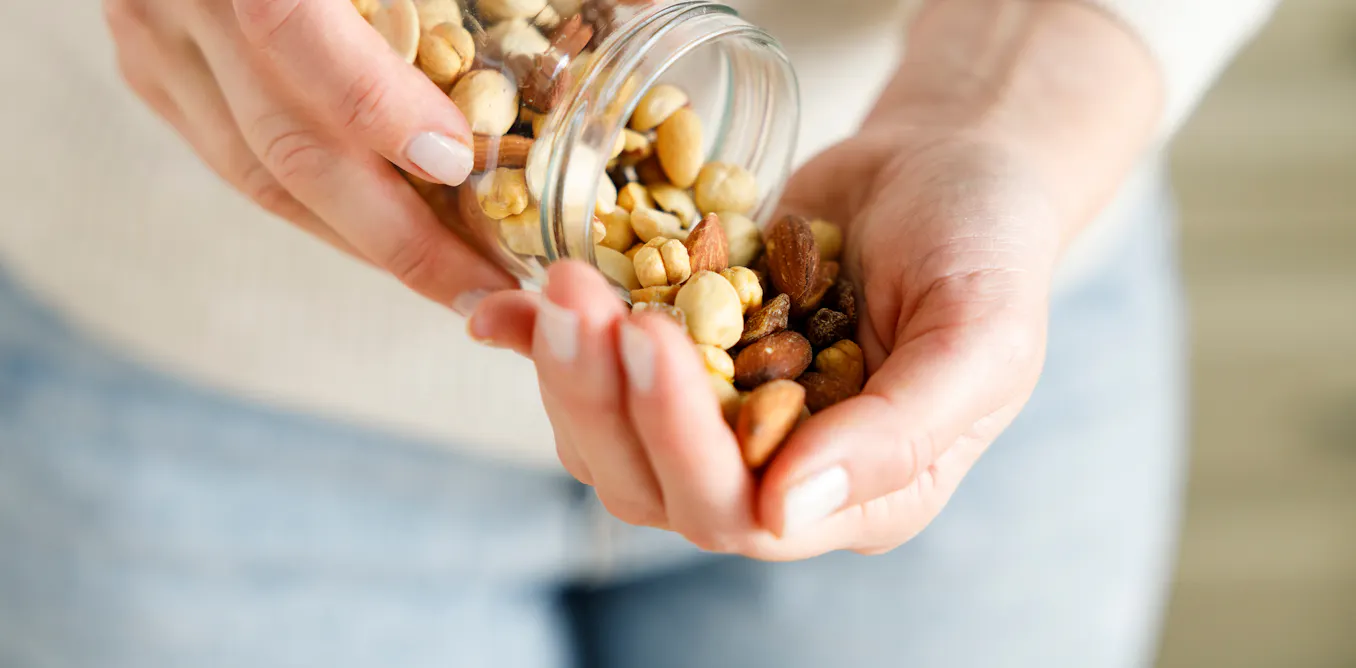
The research builds on growing evidence that plant-based proteins and healthy fats found in nuts offer cardiovascular benefits. Nuts contain magnesium, potassium, and fiber. These compounds support vascular function and help regulate blood pressure through multiple biological pathways. The 30-35 gram daily threshold translates to roughly one ounce or a small handful. Most handfuls of almonds, walnuts, or mixed nuts fall within this range.
For school districts, this research provides data to support nut-based snack options in vending machines and cafeterias. Many institutions already offer nuts as alternative proteins to processed snacks. The hypertension link strengthens the nutritional case for these choices, particularly for students navigating dietary decisions that establish lifelong eating patterns.
Higher education institutions with dining services can use this evidence to promote nuts in student meal plans and nutrition education initiatives. College-aged students face increasing rates of hypertension and metabolic syndrome. Accessible nut snacks represent a low-cost, shelf-stable intervention that fits diverse dietary needs including vegetarian, vegan, and gluten-free preferences.
The finding also applies to student athletes and fitness programs. Athletic departments and student wellness centers can incorporate nut-based nutrition education into performance and recovery protocols. Nuts provide plant-based protein essential for muscle repair without relying solely on animal products.
Allergy considerations remain central to implementation. Schools must maintain separate nut-free zones and clear labeling protocols. Students with tree nut or peanut allergies need accessible alternatives that deliver comparable nutritional benefits. Seeds, legumes, and other protein sources can fill this need in inclusive meal planning.
The research connects to broader institutional nutrition policy. Many schools have reduced processed snacks and refined carbohydrates in recent years. Nuts align with these shifts toward whole foods and nutrient-dense options. District nutrition directors and food service vendors can use this data when selecting products and negotiating contracts with suppliers.
Budget implications merit attention. Bulk nut purchases cost less per serving than many convenience snacks. Schools with tight food service budgets can achieve both nutritional gains and cost savings by incorporating nuts strategically into meal cycles.
Parents benefit from understanding this connection when packing student lunches or discussing dietary choices with their children. Educators can reference this research in health classes when teaching nutrition and cardiovascular wellness. The simple message resonates: a small daily handful of nuts supports heart health.
Future research should examine whether specific nut varieties produce different outcomes and whether combined benefits occur when nuts pair with other cardiovascular-protective foods like whole grains and leafy vegetables. Long-term studies tracking student populations would establish whether early adoption of nut-based snacking patterns influences adult hypertension rates.