# The Legacy of Gloria Steinem: Feminism's Public Face and the Scholars Left in Her Shadow
Gloria Steinem died in 2016 at age 84, but her influence over American feminism remains contested. Feminist scholar Rebecca Sullivan argues that while Steinem shaped public understanding of women's rights for generations, her prominence may have eclipsed equally important voices in the movement.
Sullivan, who studied feminist history and had the opportunity to meet Steinem, reflects on what the activist and journalist contributed to the broader women's movement. Steinem's work as a writer, organizer, and co-founder of Ms. Magazine made feminism visible and accessible to mainstream audiences during the 1970s and beyond. She articulated feminist ideas in language that resonated with millions of American women.
But Sullivan raises a critical point: the popular narrative of feminism often centers Steinem as the movement's primary voice, potentially diminishing the contributions of other feminists who operated in different spheres. This historical visibility gap matters for how we understand women's activism.
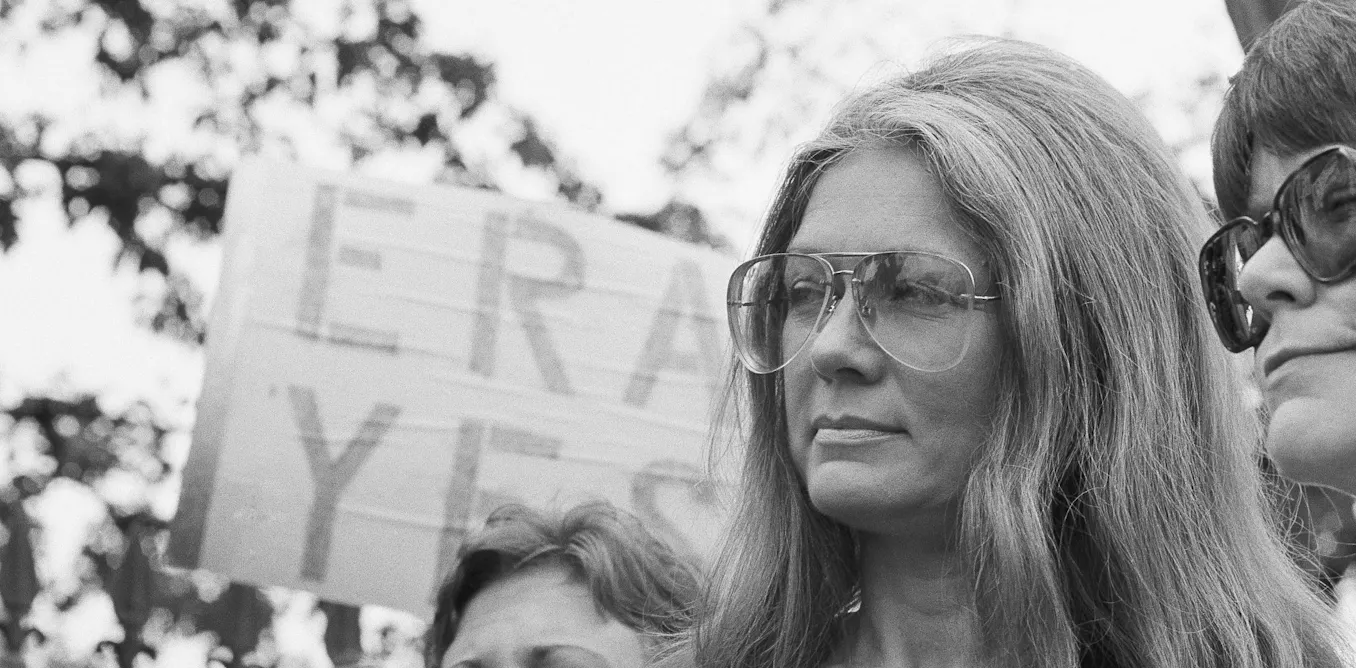
Steinem rose to prominence during a specific moment. She was photogenic, articulate, and had access to media platforms that other feminists lacked. She could translate complex feminist theory into digestible public commentary. Ms. Magazine, launched in 1971 and co-edited by Steinem, became a flagship publication that legitimized feminism in mainstream culture. For many Americans, Steinem's face became synonymous with the women's movement itself.
Yet this visibility created what scholars call a "Great Woman" problem in history. When one person comes to represent an entire movement, the work of countless others fades from public memory. Academic feminists, grassroots organizers, labor activists, women of color leading intersectional movements, and local community leaders who fought for women's rights often receive less credit in popular accounts. Their work shaped policy, changed laws, and transformed institutions, yet fewer people know their names.
Sullivan's reflection points to an ongoing tension in how we teach and remember feminism. Educational curricula, media coverage, and popular histories tend to spotlight charismatic, well-documented figures. Steinem fit that profile perfectly. But the women's movement was always broader and more fragmented than a single biography can capture.
This does not diminish Steinem's real achievements. Her journalism documented discrimination and injustice. Her speeches inspired political engagement. Ms. Magazine gave platforms to diverse women's voices, including Black feminists and working-class women whose concerns mainstream media ignored. She traveled, organized, and advocated for decades.
The question Sullivan invites us to ask is how to honor Steinem's contributions while also reclaiming and centering the work of feminists whose legacies remain less visible. Universities, publishers, and media outlets have choices about which stories to amplify. Including more diverse feminist voices in curricula, documentaries, and historical accounts means students and the public gain a fuller picture of how social change actually happens.
Steinem's legacy endures. But understanding feminism's full history requires moving beyond the singular narrative of the charismatic leader and recognizing the collective labor that built the modern women's movement.