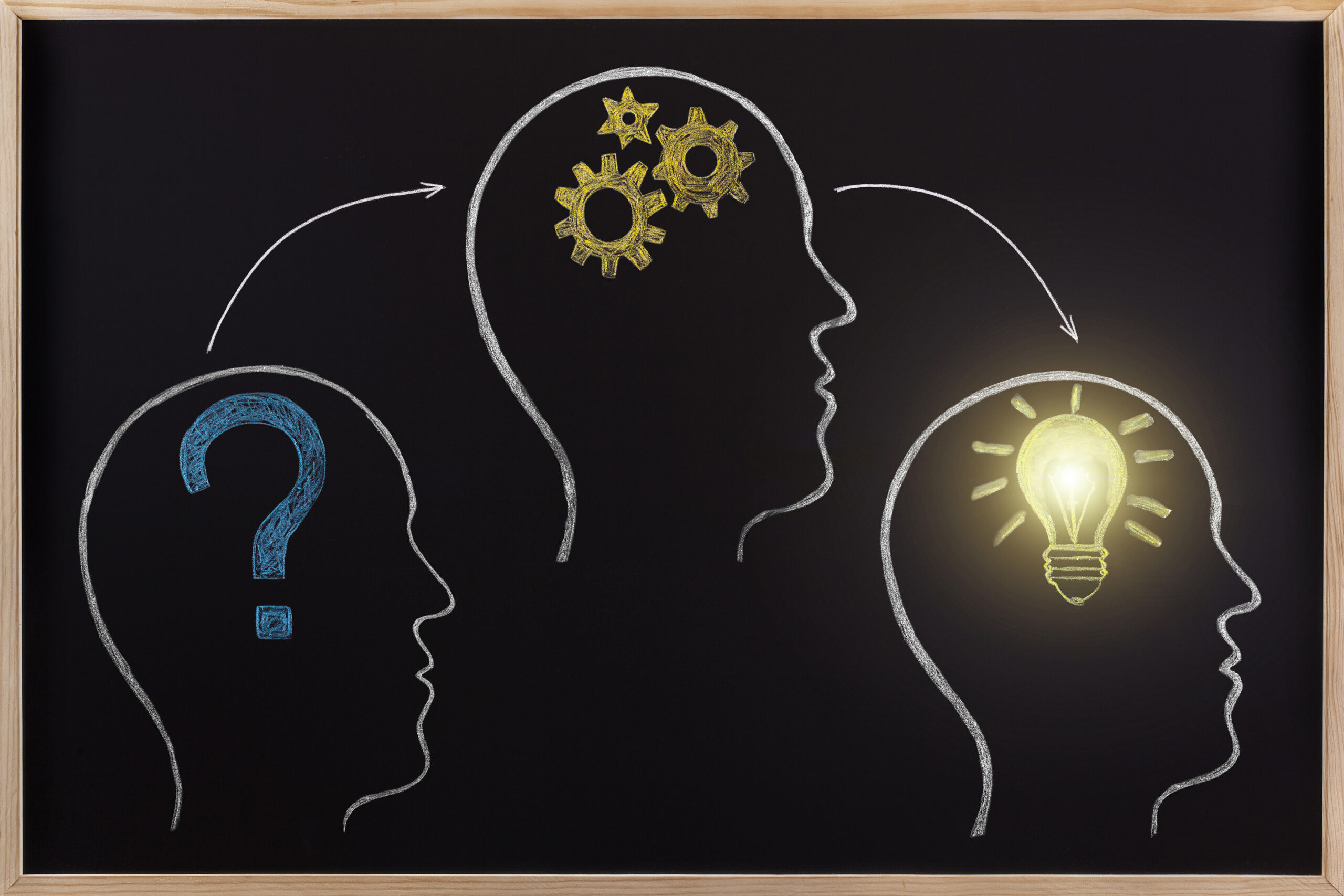
Colleges face a fundamental shift in how they define and measure student learning as artificial intelligence tools generate essays, solutions, and explanations on demand. While academic integrity concerns have dominated initial responses, educators now confront a deeper problem: the difference between producing correct answers and actually understanding concepts.
Students can submit work generated by AI systems like ChatGPT without developing the reasoning skills, critical thinking, and deep knowledge that education traditionally builds. A student might submit a perfectly written essay or solve a complex equation using AI assistance, yet lack the foundational understanding needed to apply that knowledge in new contexts or defend their thinking in conversation.
This distinction matters because intelligence has historically meant the ability to think through problems, synthesize information, and create knowledge. Performance on an assignment no longer reliably indicates whether a student has developed these capacities. An A-grade essay reveals nothing about whether the student understands the argument, can critique it, or could write about the topic without assistance.
The challenge extends beyond detecting cheating. Even if students use AI as a learning tool rather than a shortcut, the question remains: what cognitive work are they actually doing? If a student asks ChatGPT to explain calculus concepts, then reads the explanation, have they learned calculus, or merely consumed information?
Institutions must rethink assessment. Faculty Focus reports that colleges increasingly recognize the need for evaluations that require live demonstration of understanding. Oral exams, in-class problem-solving, and discussions that probe reasoning rather than final products become more valuable. Some institutions are redesigning courses to focus on the thinking process rather than the output.
This doesn't mean rejecting AI. Rather, it requires being explicit about what counts as learning and evidence of that learning. If colleges want students to graduate with genuine understanding, they must design assignments and assessments that cannot be outsourced to algorithms. The goal shifts from producing work to developing minds capable of generating, evaluating