# Summary
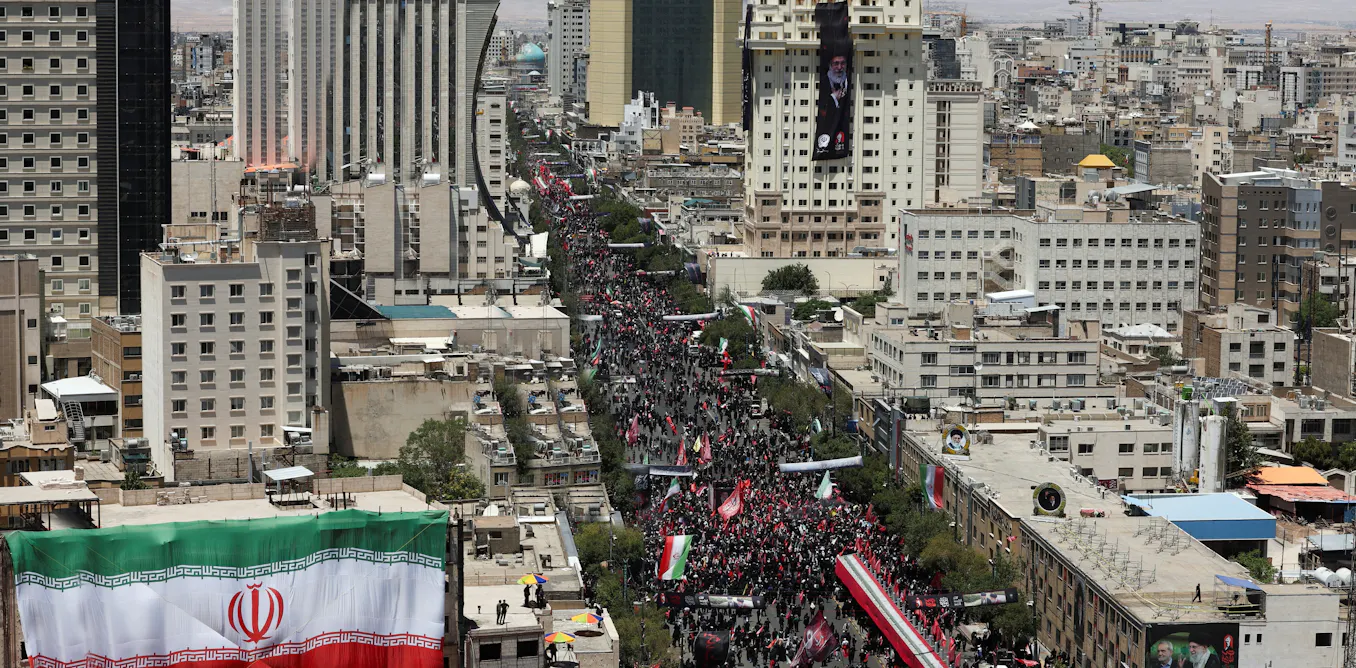
Iran and Pakistan are strengthening diplomatic ties in ways that reshape regional power dynamics across southwest Asia. The attendance of Pakistan's Prime Minister at Iran's supreme leader Ayatollah Khamenei's funeral in May 2024 signaled the depth of this emerging alliance. Pakistan sent its prime minister to the funeral, a rare gesture of state-level respect typically reserved for close allies. Iraq also sent its prime minister, but Pakistan's presence held particular weight given historical tensions between the two nations and their competing religious interpretations of Islam.
The Iran-Pakistan alliance reflects shared interests in combating terrorism, particularly threats from ISIS and extremist groups operating across their borders. Both countries face destabilization from militant networks, making counterterrorism cooperation practical and urgent. Trade partnerships have expanded as well, with both nations seeking to reduce their dependence on Western economic structures.
Geopolitically, this alignment challenges the traditional power balance in the region. Saudi Arabia and the United Arab Emirates, historically dominant forces in the Middle East, now contend with a more assertive Iran-Pakistan bloc. Pakistan's role carries special significance because it serves as a bridge between South Asia and the Middle East. Its geographic position along trade routes makes it valuable to Iran's regional ambitions.
The alliance also reflects broader trends in global politics. As relationships with Western powers become complicated, Iran and Pakistan explore alternatives. For Pakistan, deepening ties with Iran offers economic and security benefits amid tensions with India. For Iran, Pakistan provides access to South Asian markets and strategic positioning against perceived adversaries.
The funeral attendance represented more than ceremony. It demonstrated Pakistan's willingness to publicly align with Iran despite pressure from other regional and international players. This visible commitment signals that both nations view their partnership as foundational to their regional strategies going forward. The alliance remains fluid and faces obstacles, but its emergence reflects shifting power structures across southwest Asia.