# Southeast Asian Diplomacy on Myanmar Faces Credibility Test
Southeast Asian leaders are pushing for direct diplomatic engagement with Myanmar's military junta as a path to ending the five-year civil war that has killed thousands and displaced hundreds of thousands of civilians. However, the approach hinges on a condition that remains unmet: independent verification that Aung San Suu Kyi, the democratically elected leader detained since the 2021 coup, remains alive.
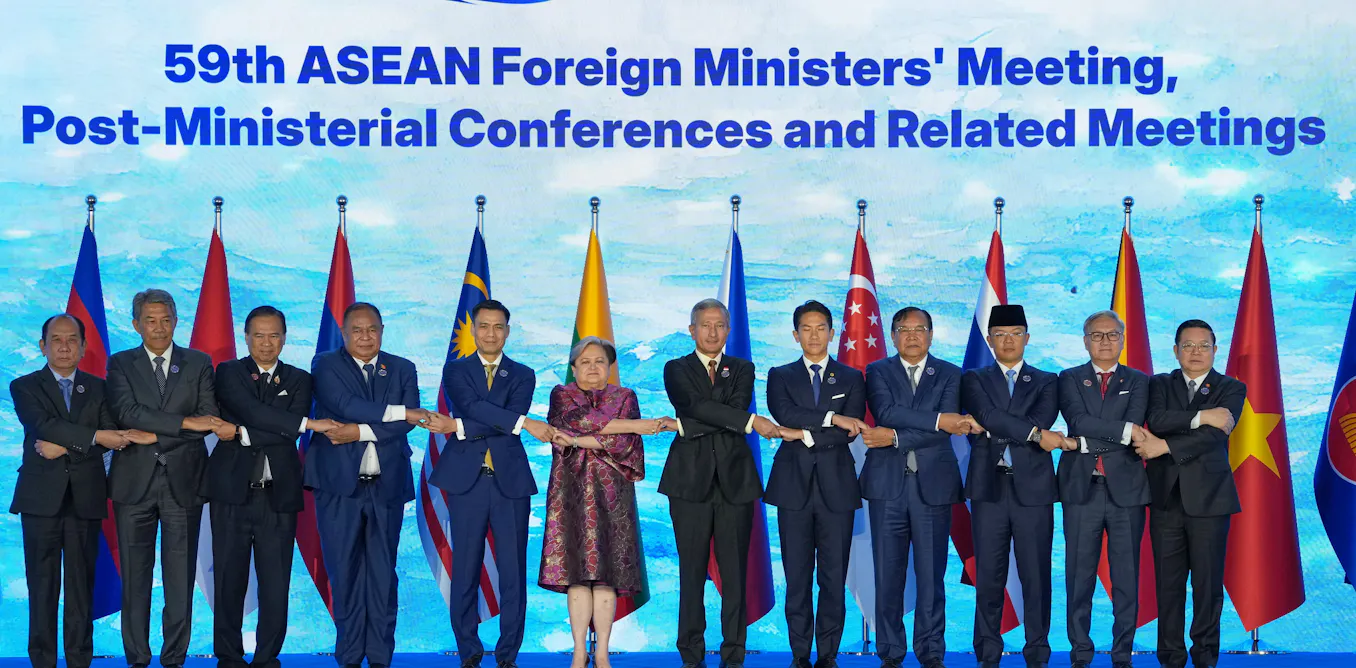
The Association of Southeast Asian Nations (ASEAN) has advocated negotiation as the primary mechanism for resolving Myanmar's conflict. This position reflects regional preferences for non-interference and dialogue over international intervention. Several ASEAN members maintain diplomatic ties with the junta and argue that sustained engagement offers the best chance of encouraging a ceasefire and political settlement.
Critics argue this approach legitimizes the military regime without extracting concrete concessions. Opponents of engagement point out that without proof of life for Suu Kyi and other detained political figures, diplomatic recognition effectively rewards the junta's detention practices. Human rights organizations have documented thousands of extrajudicial killings and systematic violence by military forces against ethnic armed organizations and civilians.
The deadlock reflects a fundamental tension in international relations. ASEAN's preference for consensus and non-interference clashes with demands from democratic nations and human rights advocates for accountability. Myanmar's neighbors fear that isolation strengthens the junta's resolve, while critics fear that dialogue without preconditions abandons pressure for democratic restoration.
Regional leaders face pressure to balance stability concerns with human rights obligations. Any credible diplomatic initiative likely requires verification of detained leaders' welfare, a mechanism for humanitarian access, and commitments to halt violence. Without these benchmarks, engagement risks normalizing military rule while the conflict continues.