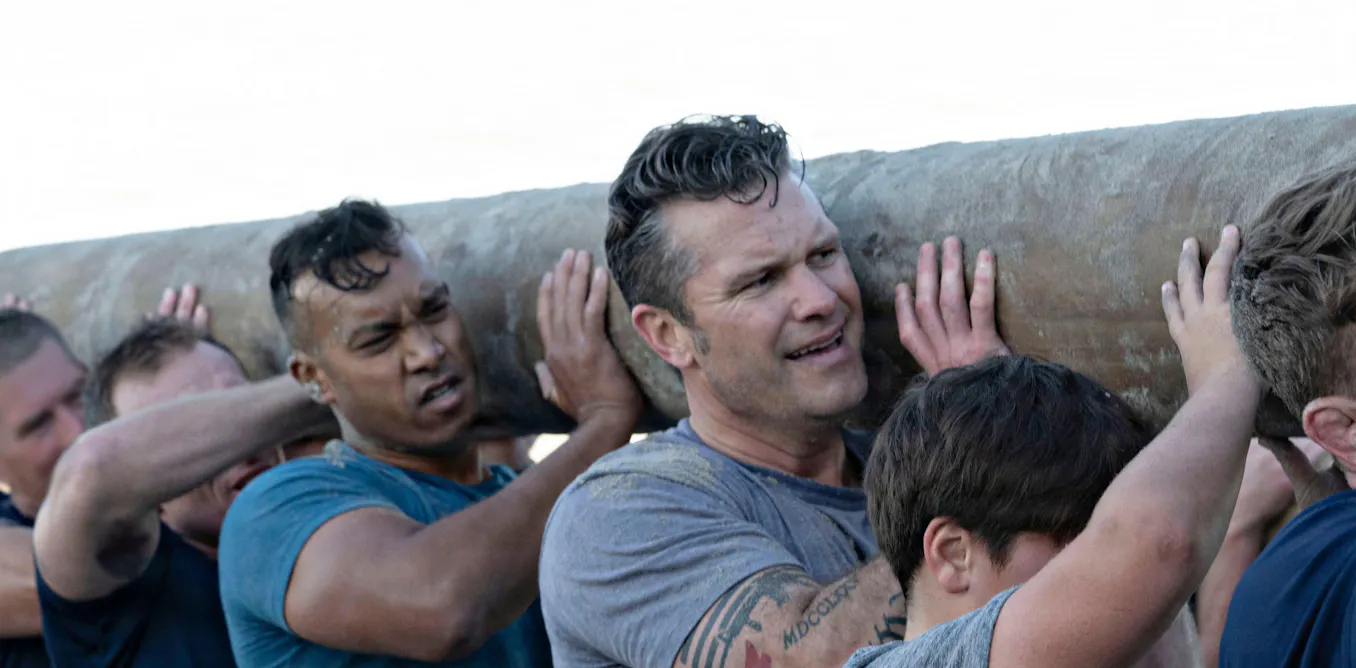
Military personnel with low testosterone face pressure to undergo testing and treatment, yet evidence shows the link between hormone levels and combat effectiveness remains unclear. Researchers examining this issue find that testosterone testing alone provides limited diagnostic value for soldiers.
Low testosterone, or hypogonadism, can stem from multiple causes: injury, illness, stress, sleep deprivation, medication, or age-related decline. A single blood test cannot identify which factor drives a soldier's low levels. This ambiguity creates problems. Commanders and medical officers cannot reliably determine whether a soldier needs hormone replacement therapy, lifestyle changes, mental health support, or simply rest.
The assumption that higher testosterone equals better combat performance lacks robust evidence. Combat readiness depends on training, decision-making, physical fitness, leadership, and psychological resilience. No peer-reviewed studies establish that normalizing testosterone levels through treatment meaningfully improves these competencies in military contexts.
Testosterone therapy itself carries risks. Side effects include cardiovascular complications, liver damage, and mood changes. Long-term safety data for military populations remains limited. Soldiers receiving treatment face ongoing monitoring requirements and potential disqualification from deployment if levels fluctuate.
The military's focus on testosterone testing reflects broader cultural assumptions about masculinity and strength rather than evidence-based medicine. Some branches implement routine screening programs without clear clinical justification or outcome metrics.
Experts recommend shifting approach. Instead of viewing testosterone as a performance metric, military medicine should address underlying causes of hormonal imbalance through comprehensive evaluation. Sleep, nutrition, stress management, and injury recovery often restore normal levels without pharmaceutical intervention.
Medical professionals in military settings need clear protocols: when to test, how to interpret results, and when to refer soldiers for specialist evaluation. Commanders require education that testosterone levels do not predict combat capability.
A soldier's fitness for duty depends on objective measures of physical performance, cognitive function, and mental health. Hormone levels matter clin