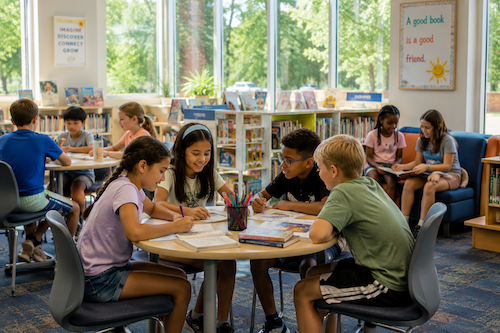
Summer learning loss poses a real threat to student achievement, particularly for low-income children. Research spanning 35 years shows that students from disadvantaged backgrounds lose two to three months of reading skills over the summer break, while wealthier peers often gain ground through enrichment activities and tutoring.
Schools and districts increasingly view summer as a strategic window rather than merely a break. Rather than passive time off, summer programs target literacy gaps, offer structured learning, and build community partnerships to ensure all students continue progressing.
The data is clear. Students return to school in fall with uneven preparation. Those who experienced summer instruction in reading, math, or STEM fields show measurable gains in fall performance. Conversely, students without summer support fall further behind, creating compounding disadvantage across grade levels.
Successful districts deploy evidence-based strategies. High-dosage tutoring in small groups produces stronger results than large classroom instruction. Programs that pair academic content with enrichment—field trips, arts, sports—boost attendance and engagement. Schools that offer free meals remove barriers that keep low-income families from participating.
Geography matters. Rural and urban districts with limited resources struggle to fund summer programs. Federal funding through Title I and grants help, but gaps remain. Districts that prioritize summer as part of their annual strategy allocate staff, budget, and planning time accordingly.
Parent and community engagement shapes outcomes. When schools communicate directly with families about program benefits, attendance rises. Partnerships with libraries, community centers, and nonprofits expand capacity and reduce costs.
Summer learning operates on a simple principle: opportunity gaps widen when school isn't in session. Districts that treat summer strategically close those gaps. The research is conclusive. Investment in summer programming pays dividends in fall performance, particularly for students who need it most.