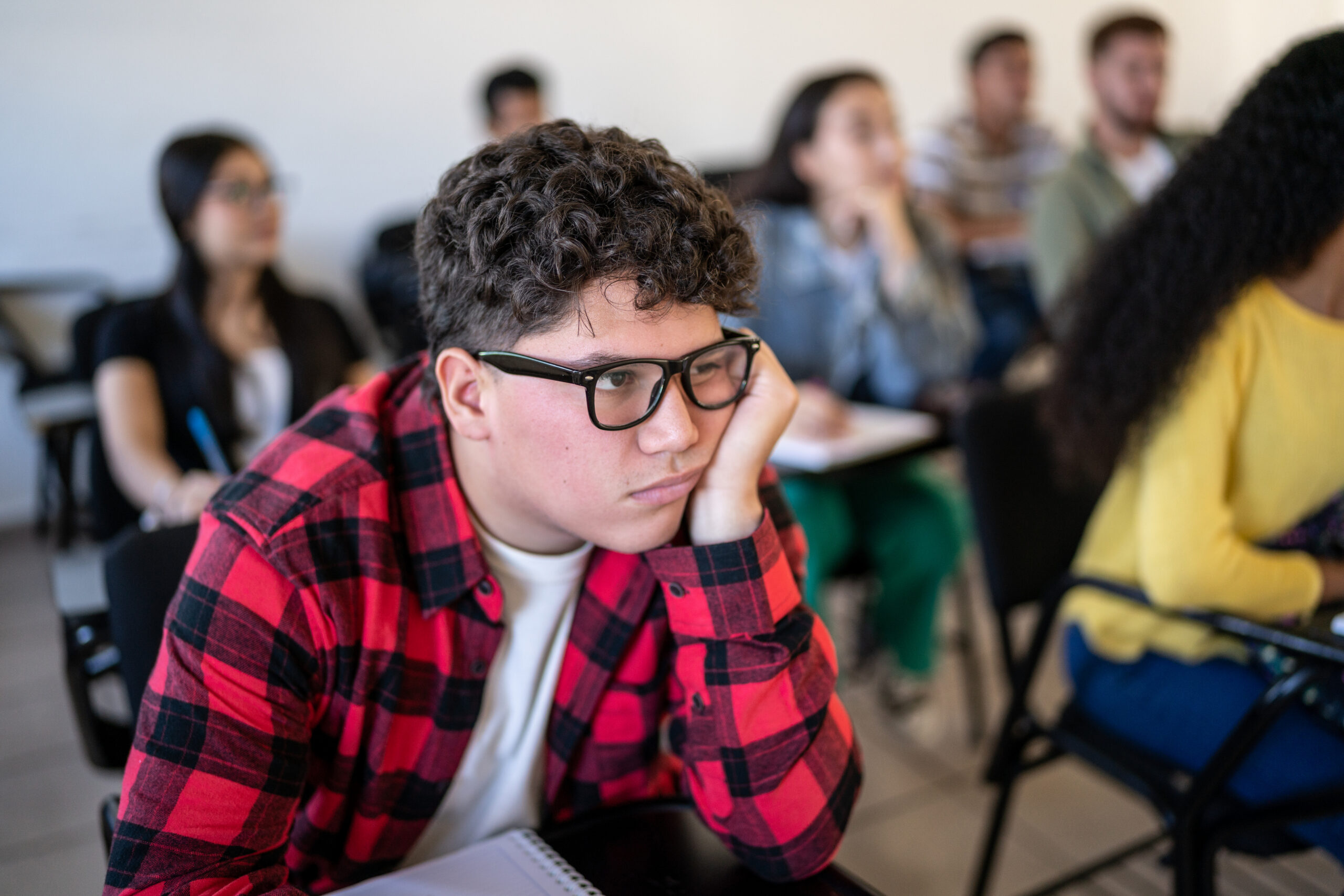
Educators frequently encounter students whose behavior disrupts learning, but framing these interactions as communication mismatches rather than personal failings opens pathways to productive classroom management. Most students do not deliberately cause problems. Instead, conflicts arise when students bring communication habits or expectations that clash with classroom norms.
Rather than labeling students as inherently "difficult," educators benefit from recognizing that behavioral challenges often reflect unmet needs or misaligned understanding. A student arriving late repeatedly may face transportation barriers. One who dominates discussions might crave recognition. Another who remains silent could experience anxiety or language barriers.
This reframing shifts the educator's role from enforcer to problem-solver. When a student's behavior creates friction, the response becomes diagnostic instead of punitive. What communication style does this student bring? What expectations guide their actions? What gap exists between their needs and what the current classroom structure provides?
Practical approaches emerge from this perspective. Setting explicit communication norms reduces ambiguity. Checking in individually with students whose behavior stands out demonstrates care and gathers information. Offering multiple ways to participate, ask questions, or submit work accommodates different communication preferences. Building relationships before problems escalate makes difficult conversations easier.
This approach applies equally in physical classrooms and online learning environments. Digital settings sometimes amplify communication challenges, as students and instructors lose nonverbal cues. Clarifying expectations in writing and creating low-stakes opportunities for students to practice new communication patterns becomes even more valuable online.
The shift from viewing students as problems to viewing situations as opportunities benefits everyone. Students feel heard rather than blamed. Educators gain insight into underlying causes. Classroom culture improves when problems receive attention as puzzles to solve collaboratively rather than as rule violations to punish.
Reframing difficult students as students facing difficulties transforms classroom dynamics. This approach requires patience and intentionality, but it builds trust, reduces escalation, and