# What Higher Ed Can Do About Getting Research Into the K-12 Classroom
A disconnect separates educational research from K-12 classroom practice. Universities conduct studies on effective teaching methods, learning science, and student outcomes. Yet teachers rarely access or implement these findings in their day-to-day work.
The gap stems from a lack of structured collaboration between higher education institutions and K-12 schools. Researchers publish findings in academic journals aimed at peers, not practitioners. Teachers lack time to read research or translate academic language into actionable strategies. Universities rarely design studies with classroom implementation in mind.
Several strategies can narrow this divide.
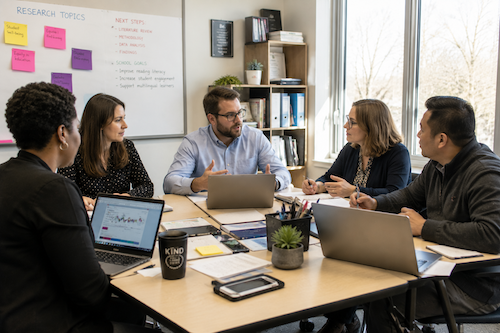
Higher education institutions should establish formal partnerships with K-12 districts. These partnerships allow researchers to conduct studies in real classrooms while teachers gain direct access to emerging evidence. Universities like Michigan State and the University of Washington have created research-practice collaboratives that bring educators and scholars together regularly to identify pressing problems and test solutions.
Universities can also train education graduate students differently. Instead of preparing researchers only for academic careers, programs should emphasize translating research for practitioners. This includes teaching doctoral candidates how to communicate findings clearly to teachers and administrators without sacrificing rigor.
Publishing models need adjustment. Higher education institutions should encourage faculty to write accessible summaries of research for teacher-focused publications and platforms like Medium. Some universities now reward faculty who engage in knowledge translation, not just traditional publication.
Professional development offers another avenue. Universities can partner with school districts to deliver workshops that ground teaching practices in research evidence. This creates two-way learning where researchers understand classroom constraints while teachers gain confidence implementing evidence-based methods.
Funding agencies play a role too. The National Science Foundation and Department of Education can prioritize grants that require university-school collaboration and include dissemination plans targeting educators.
Breaking down barriers between higher education and K-12 requires intentional effort and structural change. When universities design research with classroom practice