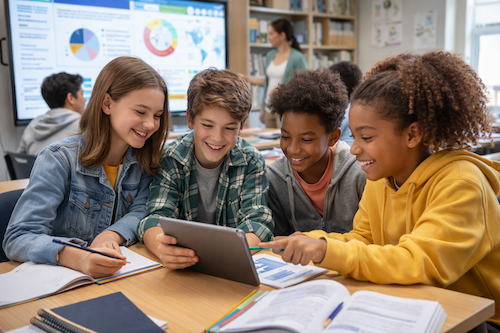
# Student Well-Being Shows Quiet Gains Amid Academic Challenges
New research reveals an overlooked story in American education. While test scores remain under pressure and pandemic learning loss persists, students report measurable improvements in well-being, behavior, and school connection.
A recent analysis examined multiple data sources tracking student experiences beyond standardized assessment results. The findings present a more nuanced picture than headlines about academic decline suggest. Students report feeling more connected to their schools and peers. Behavioral issues show modest improvement in many districts. Social-emotional health indicators point upward despite lingering pandemic effects.
The disconnect matters. Schools invest heavily in mental health supports, social-emotional learning programs, and community-building initiatives. These efforts show tangible returns, even as schools simultaneously grapple with reading and math proficiency gaps that concern policymakers and parents.
The research identifies which interventions work. Schools with dedicated counseling staff, peer mentoring programs, and classroom practices focused on belonging report stronger well-being gains. Districts that embedded social-emotional learning into daily instruction rather than treating it as an add-on saw better results. Student engagement climbed in schools where administrators prioritized school climate and connection alongside academic recovery.
This matters for policy and budget decisions. When educators face pressure to choose between test prep and student support, the evidence suggests a false choice. Schools that neglect mental health and connection ultimately struggle academically. Students who feel unsafe or isolated cannot learn effectively.
The gains remain fragile. Economic hardship, family instability, and social division still affect student mental health. Rural and low-income schools often lack counseling resources that wealthier districts take for granted. Some demographic groups report persistent well-being gaps.
But the narrative shift is real. Schools investing in relationships, belonging, and social support are seeing results. These improvements suggest that despite pandemic disruption and academic headwinds, targeted investments in student well-