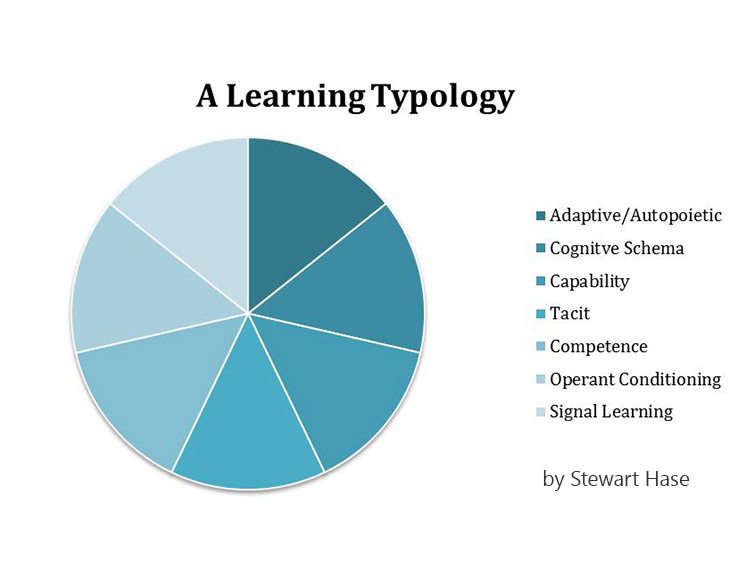
# A Learning Typology Proposes Seven Distinct Ways Students Understand New Material
TeachThought has published a learning typology that identifies seven different ways students come to understand material. The distinction between typology and taxonomy matters here. A taxonomy organizes existing categories into hierarchy. A typology instead describes different types or patterns without strict ranking.
The framework responds to a practical classroom problem. Students absorb information differently. A single teaching method reaches some learners effectively while leaving others behind. Understanding these varied pathways helps educators design instruction that connects with more students.
Typologies like this one build on decades of learning science research. The field has moved beyond simple "learning styles" theories, which lacked rigorous evidence. Contemporary research instead examines how cognitive processes, prior knowledge, and context shape understanding.
This particular typology identifies seven distinct ways learners process information and build understanding. Rather than labeling students as "visual" or "kinesthetic" learners, the framework describes actual cognitive processes students engage in when learning. The approach aligns with how neuroscience and educational psychology currently understand how learning happens.
For teachers, a typology offers practical value. When a lesson fails to land with certain students, understanding different learning pathways suggests alternative approaches. A student struggling with abstract explanation might grasp concepts through real-world application, narrative, or collaborative discussion.
The seven-way framework also challenges a common misconception. Students do not learn through only one pathway. Most learners switch between different modes depending on the subject, the context, and what they already know. A student might learn mathematical procedures through direct instruction but understand mathematical concepts through problem-solving.
TeachThought positions this typology within broader conversations about personalization and differentiation. Schools increasingly recognize that one-size-fits-all instruction limits student growth. Understanding multiple learning pathways gives teachers concrete strategies for reaching diverse learners in the same classroom.