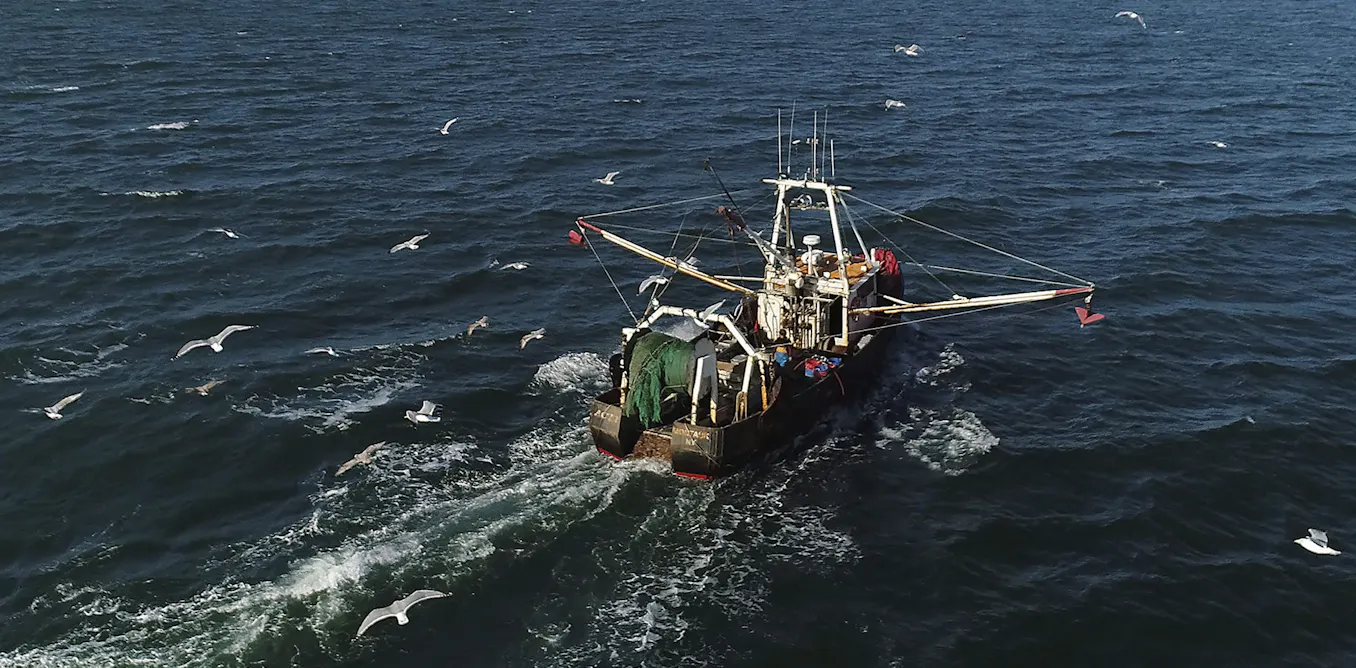
# Bottom Trawling Devastates Ocean Ecosystems, Raising Educational Questions About Environmental Policy
Bottom trawling represents one of the most destructive fishing practices in operation today. The method involves dragging heavy nets across the ocean floor, indiscriminately collecting marine life and obliterating seafloor habitats in the process. Scientists and environmental advocates increasingly argue that this practice warrants urgent policy intervention.
The fishing technique operates without discrimination. Weighted nets scoop up most organisms in their path, whether commercially valuable or not. The collateral damage extends beyond the catch itself. Seafloor habitats, built over decades, suffer destruction in moments. These environments support biodiversity essential to ocean health and human food security.
Educational institutions have begun incorporating ocean conservation into curricula. Marine biology programs at universities examine the ecological consequences of industrial fishing practices. High school environmental science classes analyze the tradeoffs between economic fishing interests and ecosystem preservation. Students learn that bottom trawling generates short-term economic gains while inflicting long-term environmental costs.
The practice disproportionately affects vulnerable marine ecosystems. Deep-sea habitats recover slowly from damage, sometimes requiring centuries. Coral formations, sponges, and other slow-growing organisms cannot withstand repeated trawling cycles. Species that depend on these habitats face population collapse.
Policy responses remain inadequate in many regions. Some countries and regions have implemented trawling restrictions or bans, but enforcement remains inconsistent. The European Union has pursued partial restrictions. Other nations continue unrestricted deep-sea trawling operations.
For educators, this issue presents concrete teaching opportunities. Students examine regulatory frameworks, explore scientific evidence about habitat destruction, and evaluate policy solutions. They analyze competing interests between fishing communities and environmental protection. These discussions develop critical thinking about complex resource management problems.
The ocean floor covers 361 million square kilometers. Bottom trawling impacts a