# The Hidden Cost of Fragmented Student Data in K–12 Schools
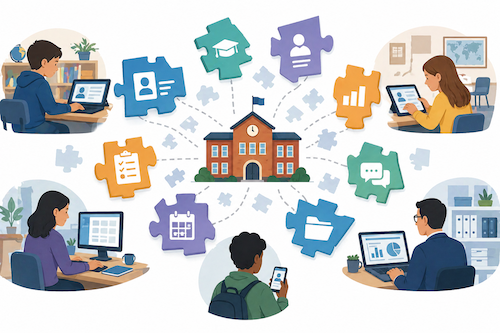
K–12 schools face a persistent problem that undermines their ability to serve students effectively. Fragmented student data scattered across multiple systems creates operational barriers that ripple through classrooms and homes.
When student information sits isolated in different platforms, teachers lack complete pictures of learner needs. Administrators cannot track progress efficiently. Parents struggle to stay informed about their children's performance. This fragmentation wastes time and resources while compromising the quality of instruction.
The problem extends beyond simple inconvenience. Schools lose sight of struggling students who fall between system cracks. Early intervention becomes impossible when data remains scattered. Teachers duplicate work gathering information from various sources instead of focusing on instruction.
Addressing fragmented student data directly impacts the school-home connection. Unified systems enable faster communication and more coordinated support. Schools that consolidate their data infrastructure see faster identification of at-risk students and more effective resource allocation.
The solution requires schools to invest in integrated data platforms that connect admissions, attendance, grades, and assessment systems. Districts must prioritize data interoperability when selecting new tools. The payoff extends beyond administration. When schools break down data silos, they unlock better outcomes for students.