# The Hidden Cost of Fragmented Student Data in K–12 Schools
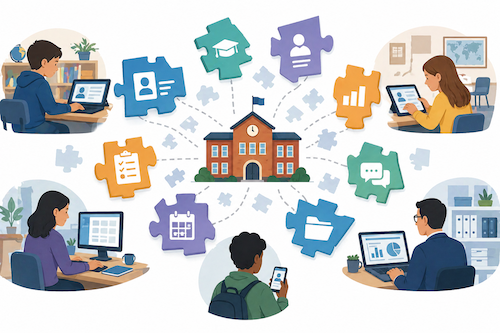
K–12 schools struggle with fragmented student data systems that undermine educational effectiveness and school-home communication. Student information scattered across multiple platforms prevents teachers, administrators, and parents from accessing complete records needed to support learning.
This fragmentation creates operational inefficiencies. Teachers waste time searching for student information instead of focusing on instruction. Administrators cannot easily track academic progress or identify struggling students early. Schools lose the ability to make data-driven decisions about resource allocation and student interventions.
The problem extends beyond logistics. When data remains siloed, schools miss opportunities to personalize learning experiences. Students who need additional support fall through gaps between systems. Parents receive incomplete information about their children's progress, weakening the school-home partnership.
Integrating student data systems requires investment and planning, but the returns justify the effort. Unified data platforms allow educators to respond quickly to student needs. Schools gain visibility into patterns affecting achievement. Communication between home and school improves when all parties access the same accurate information.
Districts that address fragmentation report better student outcomes and stronger parent engagement. The cost of inaction outweighs the investment in data integration solutions.