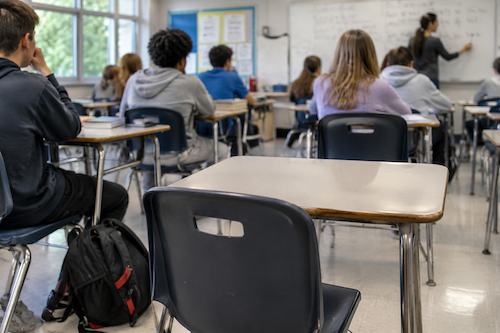
When January arrives and attendance numbers dip, the convenient explanation is always the same: students return from break "checked out." It's a story that circulates in every attendance meeting, and it sounds plausible enough that most of us have nodded along without question. But Concentric Educational Solutions decided to actually verify this theory, and the results challenge everything we thought we knew about winter attendance patterns.
Dr. Ivory A. Toldson reviewed nearly 28,000 home visit records from the last two school years—actual conversations between student advocates and families about why children missed school. The findings were stark: lack of interest or skipping accounted for just 4.2 percent of winter visits, compared with 5.9 percent the rest of the year. The "checked out" narrative largely collapsed. What actually increased in winter was far more mundane: illness rose from 25 percent to 29 percent of family contacts, transportation problems climbed from roughly 14 percent to 16.5 percent, and weather—which barely registers outside winter months—tripled from 1.2 percent to 3.4 percent.
The data reveals something technology cannot capture. A student caught strep throat, missed a week, returned to school, and caught it again. To a dashboard in a central office, this looks like a troubling absence pattern. To a family advocate who actually visited, it's just strep throat twice. The most concerning finding wasn't about disengagement in the traditional sense—it was about students who left for winter break and never returned. Some hadn't attended school since before the holiday ended. These aren't kids who gradually faded out; they simply didn't come back.
Yes, early-warning systems, texts in home languages, bus-tracking apps, and remote learning options all matter. But none of these tools would have revealed the strep throat or the parent who preferred to wait until it warmed up before sending her child back. These discoveries emerge only when someone sits down with a family and asks. A text squeezed in during work barely captures the situation; a visit creates space for actual conversation and reveals the mundane, fixable problems behind most absences: a missing ride, inadequate winter clothing, or a bus stop that feels unsafe in the dark.
The ask is straightforward: before winter break, visit families of students whose attendance slipped in December. Then do it again in the first two weeks of January for students who haven't returned, because that's when the break transforms into a permanent exit for some children. No script needed. Just listen to what families actually face, then work with them to solve it. Technology will tell you a child is absent; only a person can tell you why.