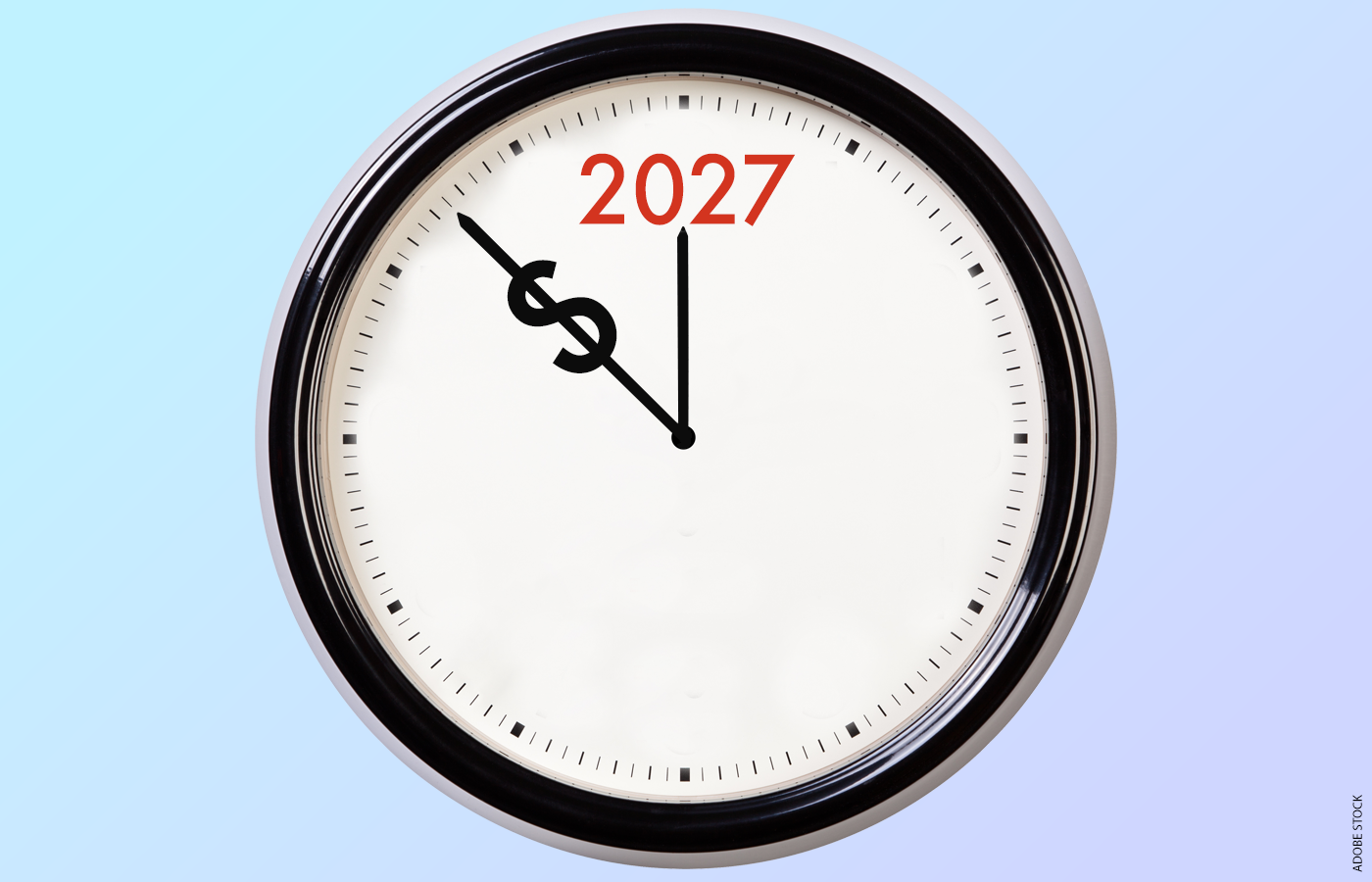
The Federal Scholarship Tax Credit lifts off on January 1, and the conventional wisdom says its fate hinges on partisan politics. Democrats want to eliminate it. Republicans want to protect it. Congressional majorities will shift. Blue-state governors will make calculations. The story writes itself—another ideological battleground in America's endless culture wars. But there's a problem with this narrative: it assumes the FSTC actually matters to enough people to be worth fighting over. That remains genuinely uncertain.
Here's what we know. The FSTC allows taxpayers to claim a dollar-for-dollar tax credit up to $1,700 for donations to scholarship-granting organizations starting January 1. Those organizations can then fund scholarships for public and private school programs. The credit is encoded in federal law through the "One Big Beautiful Bill Act" reconciliation in 2025. It cannot be undone without Congress revising tax law. Yet the report identifies three genuine vulnerabilities: the credit doesn't directly save taxpayers money like mortgage interest deductions do; it's coded as partisan after emerging from a Trump-era private school choice proposal; and it exists in a fiscal environment where a reckoning seems inevitable, with Social Security running short of funds by 2032 and the U.S. spending more than a trillion dollars annually on interest payments alone.
But here's what political analysts often miss: the FSTC's survival depends less on abstract partisan maneuvering than on whether scholarship-granting organizations can actually collect donations and deploy them at scale. The report notes there may be up to $190 billion in potential giving, but potential and actual are vastly different. If SGOs collect lots of contributions and get scholarships out the door within the next two years, they'll create invested families who defend the program politically. If they don't, the FSTC becomes an orphan that Democrats can kill without facing organized resistance.
This is where the real pivot points lie. Will public schools and unions embrace FSTC funding for tutoring, summer programs, and afterschool offerings? Will blue-state governors participate despite Democratic opposition? Will new red-state Democratic senators and representatives, many elected as pragmatists, recognize FSTC scholarships flowing back to their constituents? These aren't merely political calculations—they're questions about whether the program builds the constituency necessary for survival.
There's also the matter of waste, fraud, and abuse. Congressional Democrats eager to paint the FSTC as Trump-era corruption will pounce on questionable spending. Arizona has already seen heated disputes over whether ESA funds for Legos count as legitimate expenses. Similar disputes will inevitably arise within the FSTC ecosystem. If proponents can't demonstrate competent stewardship, they lose the moral high ground.
The FSTC's January 1 launch starts a clock, but not the one most observers are watching. The real race against time isn't about congressional votes in 2027. It's about whether the program can prove its worth through actual results—scholarships awarded, families benefiting, schools improving—before fiscal reality forces Washington to choose between tax breaks and solvency.