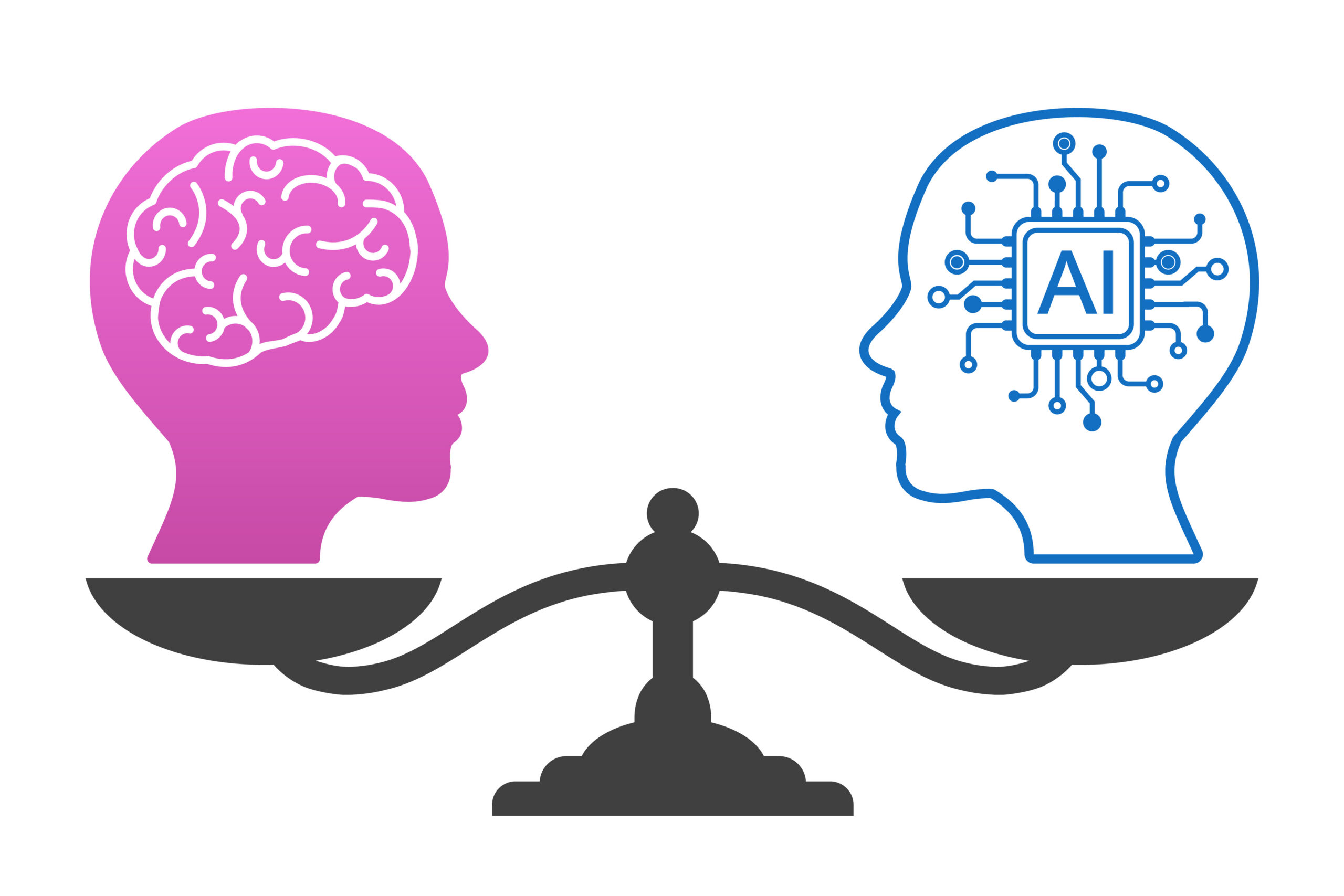
Melissa Parks, an associate professor of elementary education at Stetson University, outlines classroom strategies for teaching students to use generative AI as a supporting tool rather than a replacement for learning.
Parks recommends framing AI use with the metaphor of a car driver, with AI as a backseat driver. During the second class meeting, she involves students in creating a class AI policy together. Students identify which AI tools they prefer, discuss the pros and cons of different sites, and lead conversation about how to evaluate AI output quality.
Parks suggests instructors model how to use AI effectively by demonstrating precise commands and think-alouds, verbalizing their reasoning in real time. She recommends teaching students to recognize potential drawbacks such as biases and hallucinations in AI output. Students should also learn that higher quality inputs produce better outputs.
Instructors can assign practice prompts and have students compare multiple AI sites side-by-side. Parks notes that instructors can also model how to adjust AI tool settings for efficiency.
She emphasizes teaching students about data privacy and copyright concerns. Students must understand that uploading personal information, images without consent, or copyrighted materials into generative AI sites can pose legal and ethical problems. Universities may have library guides available on these topics.
Parks recommends creating a course AI statement or contract based on class discussions. Instructors can require students to submit an AI Statement with each assignment, explaining how they used AI and whether it was effective. This approach keeps AI use transparent rather than hidden.