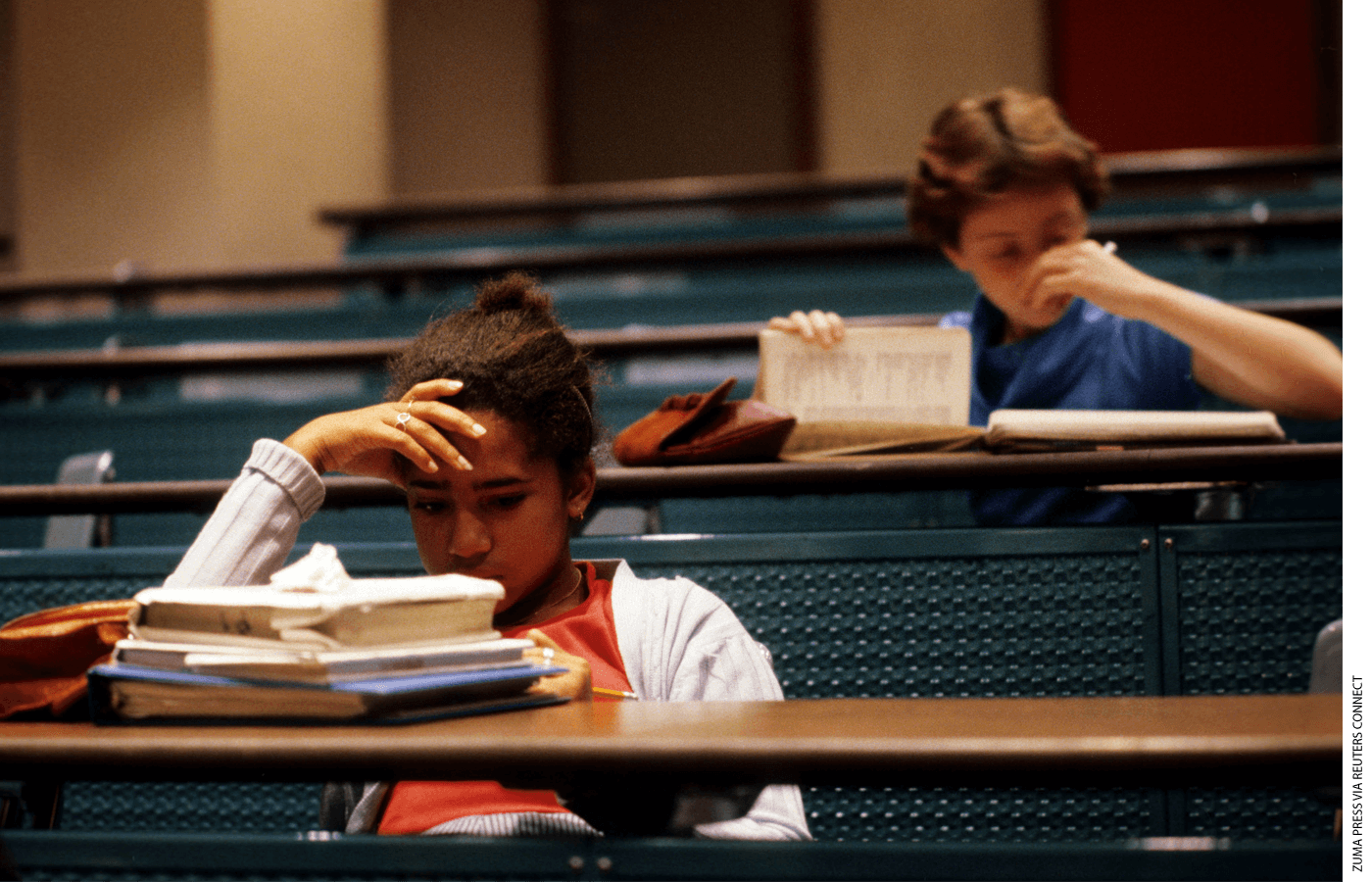
Public school districts are repeating mistakes from 50 years ago as they face a new wave of enrollment decline.
Between fall 2019 and fall 2024, public school enrollment fell by 1.4 million students nationally, a 2.8 percent drop. Forty states have experienced declines. Enrollment is projected to fall by an additional 2.7 million students by 2031 and further by 2050.
The pattern mirrors the first sustained enrollment decline in U.S. history. School-age population peaked at 51.4 million students in 1971, then dropped 11 percent as birth rates fell. Elementary and middle grades saw the largest declines at 16 percent.
Districts postponed action then. Cleveland lost 63,000 students between 1968 and 1979 but closed no schools and increased teaching staff. New York City lost 50,000 students in four years starting in 1971 but closed no schools. Chicago closed only a handful despite losing 96,000 students between 1971 and 1979. Los Angeles lost 100,000 in eight years but closed no schools.
Today, districts are responding identically. New York City is spending $290 million annually to prevent budget cuts at schools that have lost enrollment, according to a Chalkbeat analysis. Austin, Texas has lost 20 percent of its enrollment, more than 17,000 students, over 15 years and faces a deficit of 20 percent of its budget. The district spent years delaying difficult decisions while operating dozens of under-enrolled campuses. Twenty-four of Austin's 115 schools enrolled fewer than 300 students in 2025, requiring $40 million annually to subsidize their operation. After closing 11 schools last November, the district ended the 2025-26 fiscal year with a $95 million deficit and projected a $180 million deficit for 2026-27. Superintendent Matias Segura blamed the state for not providing sufficient funding rather than citing enrollment declines.
California has experienced declining enrollment since 2014, with dozens of districts on the state's financial watchlist while continuing to spend as enrollment drops.