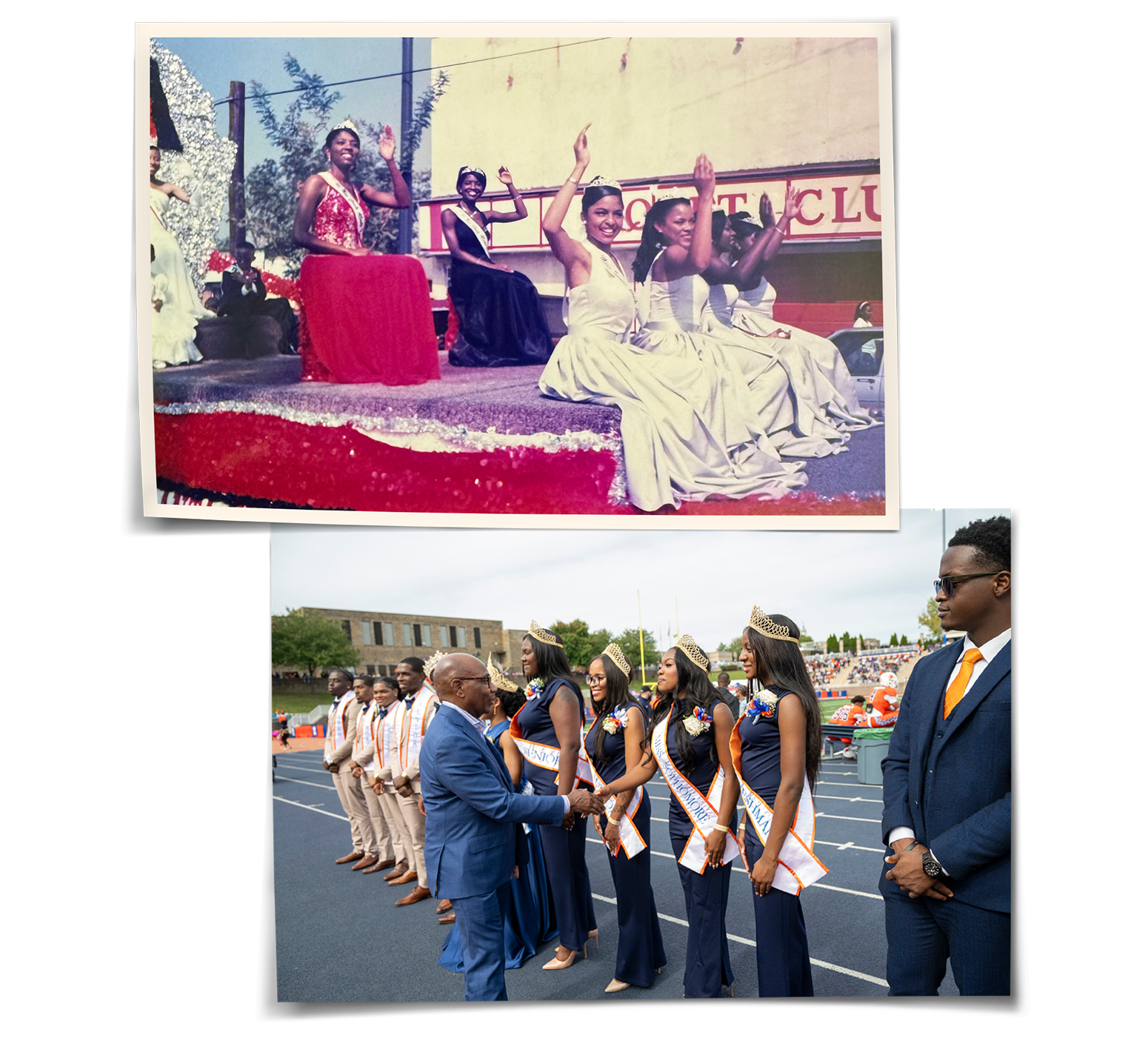
Homecoming celebrations at historically Black colleges and universities have grown into major financial and cultural events that draw hundreds of thousands of alumni annually and generate millions of dollars for institutions and their surrounding communities.
North Carolina A&T, Morgan State, and Howard University, the nation's three largest HBCUs, welcome a combined 350,000 alumni at homecoming each year. Morgan State estimates its weeklong homecoming brings about $20 million to Baltimore, while North Carolina A&T reports visitors bring $37 million in new spending to the Greensboro area.
South Carolina State University spends more than $150,000 on homecoming for about 30,000 alumni each year and makes back about $1 million in ticket sales, parking fees, student concert tickets and other events. This year, S.C. State also brought in nearly $3.8 million in philanthropic donations.
Homecoming requires substantial personal investment from alumni. Travis C. Smith, an Alabama State University alumnus and professor, said out-of-towners in his 20-person coordinated group spend at least $1,500 each for travel and accommodations. Courtney Haywood, a Norfolk State University graduate, said women often spend substantially more on aesthetics, including manicures, eyelash extensions, new outfits, makeup artists, and hair stylists.
John Michael Lee Jr., vice president for university advancement at South Carolina State University, said HBCUs are close-knit communities where homecoming celebrations driven by history, legacy and tradition represent a "celebration of pride." Leslie U. Ekpe, a professor of higher education at East Texas A&M University, said homecoming "has influenced how Black alumni see themselves" in relation to their communities, alma maters, and as individuals.
Homecoming events have expanded beyond traditional pageants and cookouts to include ticketed tailgates, petting zoos, roller-skating parties, line-dancing classes, movie nights, community service projects, and charitable 5K runs. Walter M. Kimbrough, executive vice president of the United Negro College Fund, said this growth coincides with an "HBCU investment and excitement era" defined by more than $1 billion in philanthropic gifts and rising prominence of notable HBCU alumni.