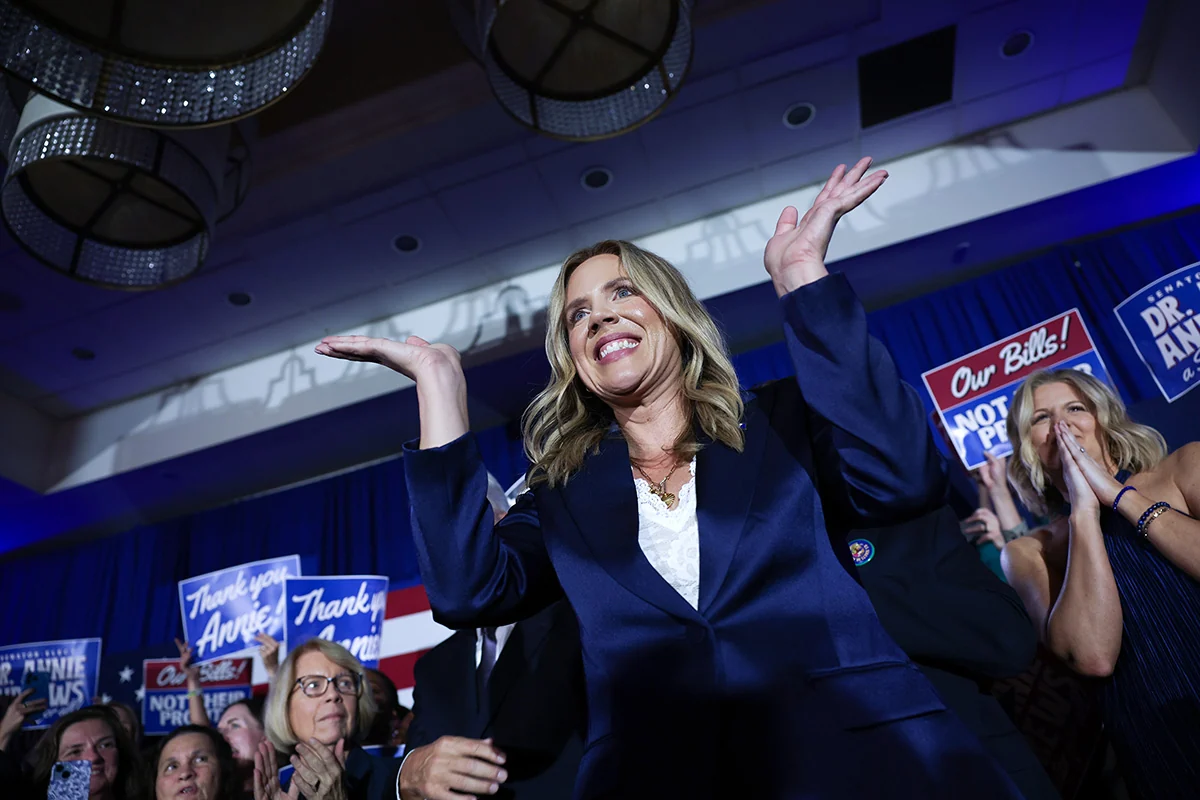
At least 11 new members of Congress and 21 state legislators with higher education experience won election this week, according to Inside Higher Ed. Their arrival comes after the Trump administration cut research funds, imposed new restrictions on international students, capped student loans, and investigated colleges over admissions practices. Republican-led states have also reduced tenure protections and limited academic freedom.
Among the winners are Annie Andrews, a pediatrics professor at the Medical University of South Carolina, elected senator in that state. Abdul El-Sayed, elected senator in Michigan, previously worked as an assistant professor of epidemiology at Columbia University. Ebony Turner, elected state representative in Texas, taught criminal and constitutional law as an adjunct professor. John Henkelman, an adjunct assistant teaching professor at the University of New England, won a seat in Maine's House of Representatives. Racquel Armstrong, an Arizona State University professor of education, was elected to Arizona's state legislature. Kevin Marsh, a professor emeritus of history at Idaho State University, will serve in that state's House.
Democrats gained power in states that had pursued aggressive policies toward colleges and universities, including Iowa, Ohio, and Texas. Two Democratic governors also have academic ties: Amy Acton in Ohio and Phil Weiser in Colorado both worked as professors at their states' flagship universities. Aaron Ford, Nevada's governor-elect, participated in Upward Bound, the federal TRIO program that prepares high school students for higher education.
Lynn Pasquerella, president of the American Association of Colleges and Universities, said legislators with higher education experience understand the difference between public accountability and political interference in academic decisions. She wrote that "universities are public-serving institutions" that need independence to pursue knowledge and allow teaching and research to be guided by scholarly judgment rather than political considerations.
The incoming legislators expressed hopes to expand student loan forgiveness, increase higher education funding, and restore research grants. Armstrong wrote that strong public universities are essential to economic competitiveness and workforce development and called for evidence-based policies and stronger partnerships across sectors. Kevin Marsh identified "rebuilding broad public support after many years of ideological attacks on higher education" as a key issue for the sector.