# Blanket Screen-Time Bans Miss the Real Problem in Schools
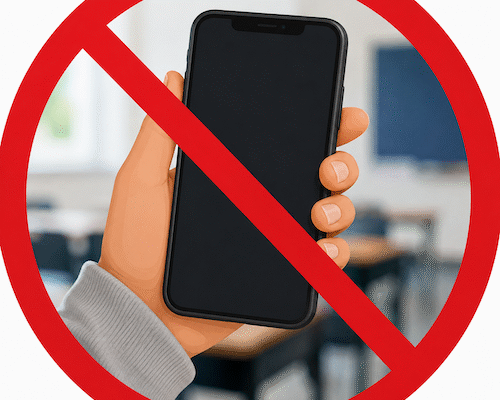
Mounting concern over student screen time has prompted calls for sweeping restrictions on educational technology in classrooms. Parents, policymakers, and educators point to observed benefits from cell phone bans and worry that edtech contributes to attention problems and learning loss. But outright prohibitions ignore the nuance of how technology serves modern education.
The instinct to ban screens reflects genuine anxiety about student wellbeing. Declining attention spans and pandemic-related learning loss represent real challenges schools face. Some districts have documented positive behavioral changes after restricting mobile phones, which students typically use for social media and entertainment rather than learning. That success has led some to propose broader edtech restrictions.
This reasoning overlooks critical distinctions. A phone ban targets devices primarily used for distraction. Educational technology serves different purposes. Learning management systems organize assignments and grades. Adaptive math platforms adjust difficulty to student level. Coding programs teach computational thinking. Video conferencing tools connect rural classrooms to specialized teachers. Blanket restrictions eliminate tools that serve pedagogical functions beyond entertainment.
The argument for screen restrictions also ignores what students must learn to thrive. Digital fluency has become essential for college and career readiness. Students who graduate without experience using productivity software, online collaboration tools, or basic coding face gaps compared to peers with those skills. Artificial intelligence literacy increasingly shapes job markets. Wholesale edtech elimination leaves students unprepared.
Technology integration problems do exist and merit serious attention. Poor implementation wastes money and instructional time. Teachers need training to use tools effectively, not just access to them. Some vendors market edtech with weak evidence of learning gains. Schools sometimes adopt expensive platforms without considering whether they actually improve outcomes. These issues demand better procurement practices, teacher support, and outcome measurement, not elimination.
The real work involves distinguishing between problems. Excessive recreational screen use differs from purposeful educational technology use. Devices that encourage passive consumption differ from tools that enable creation and collaboration. A middle school student scrolling social media all class period represents a different challenge than using a laptop to write and receive feedback on an essay.
Effective policy requires specificity. Schools can restrict personal devices during instructional time while maintaining edtech access for learning. They can set screen-time limits outside classroom hours without abandoning educational software. They can require evidence of effectiveness before adopting new technology. They can invest in teacher professional development so technology enhances rather than disrupts learning.
Some countries have pursued restrictive policies with mixed results. Bans prove difficult to enforce and often exempt certain applications, creating confusion. Students sometimes find workarounds. Teachers encounter frustration when they want to use tools that blanket policies forbid.
Schools facing attention and learning challenges need diagnostic thinking. What specific behaviors concern educators? Do students struggle with focus during direct instruction, or elsewhere? Do learning gaps stem from technology use or other factors? Answering these questions leads to targeted solutions more likely to work.
Digital tools will remain central to education. Students need them for college applications, online research, distance learning participation, and skill development. The question is not whether to use technology but how to use it thoughtfully. That requires evaluation, not elimination.