# Parents Worry About Ed Tech, But Most Still See Value, Polls Show
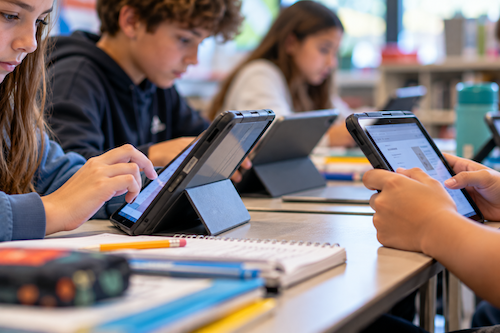
A growing backlash against classroom technology masks a more nuanced reality. While some parents organize campaigns to limit student screen time and others pursue legal challenges, polls reveal that most families still view educational technology as having a place in schools, creating a complex landscape for districts navigating new restrictions.
The tension reflects broader concerns about excessive screen exposure. Parent groups in several districts have launched opt-out campaigns, seeking to remove children from digital learning environments. Simultaneously, some families have filed lawsuits challenging specific technology policies. These vocal movements have drawn attention to legitimate worries about attention spans, eye strain, and the mental health effects of prolonged device use among students.
Yet survey data tells a different story. When researchers ask parents directly about educational technology, majorities express support for its use in classrooms, though with caveats. Parents generally distinguish between screen time used for passive consumption and interactive learning tools. They support tech deployment that serves clear academic purposes, but grow skeptical of devices introduced simply for their own sake.
This split opinion has created real consequences for school districts. Major urban districts including New York City have begun limiting classroom tech use, particularly in elementary grades. The moves align with guidance from organizations like the American Academy of Pediatrics, which recommends careful consideration of screen time for young children. Yet these policies face resistance from educators who view technology as essential for differentiated instruction, accessibility accommodations, and preparing students for a digital world.
The moderate parent voice matters most in this debate. These are families who accept technology's role in education but want guardrails around implementation. They support using tablets for reading or adaptive math programs that personalize instruction, but question assigning hours of daily Zoom classes or requiring laptop-based work in kindergarten. This middle ground has largely been absent from the loudest conversations about ed tech.
Research provides some clarity on what works. Studies show technology supports learning when it replaces less effective instruction, not when it simply adds screen time to existing lessons. A 2024 analysis found that well-designed educational software improved outcomes in specific subjects like mathematics, but gains disappeared when technology replaced teacher interaction without clear instructional design.
Districts now face a practical challenge. They must balance legitimate concerns about screen overuse against the real benefits technology offers, particularly for special education services, English language learning, and students in under-resourced schools where digital tools expand access to quality materials. Simple bans risk throwing out tools that serve vulnerable populations well.
The emerging consensus among educators and researchers suggests a middle path. Technology should serve specific learning objectives, not become the default delivery method. Elementary students need less screen time than secondary students. Implementation matters enormously. A well-designed adaptive learning platform differs fundamentally from assigning busy work on computers.
As districts evaluate their technology policies, they would benefit from centering the moderate parents who see value in educational technology but demand evidence that it improves learning. That perspective, grounded in research rather than ideology from either side, offers the most sustainable path forward. The question is no longer whether to use technology in schools, but how to use it wisely.