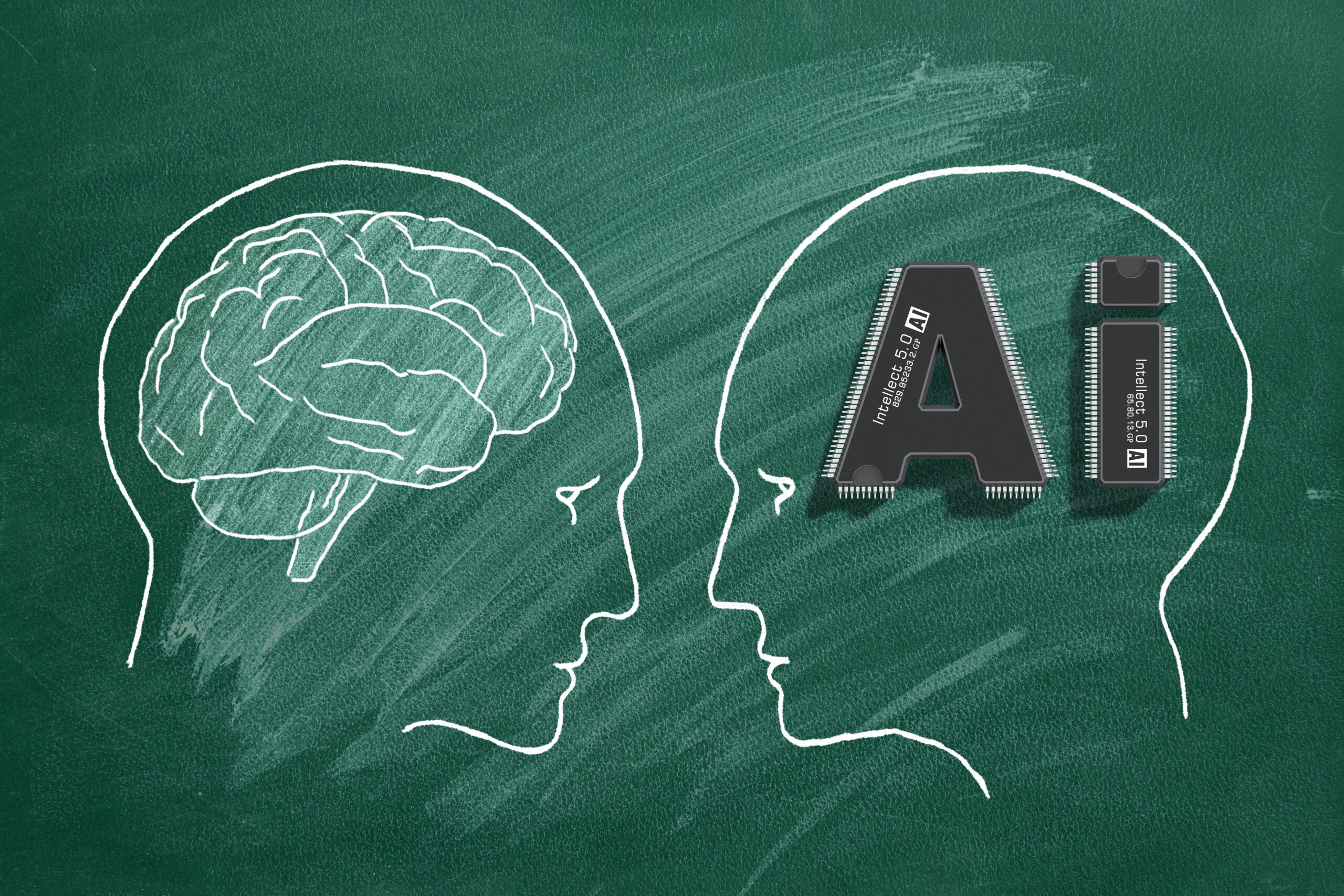
# AI in Teaching: Preserving Core Pedagogical Principles
Artificial intelligence has entered classrooms faster than most institutions can develop policies to govern it. Teachers and administrators now face a dual challenge: harness AI's productivity benefits while protecting what makes education work.
The speed of AI adoption has outpaced institutional readiness. Students submit assignments using AI writing tools. Instructors use AI to draft rubrics and generate test questions. Administrators explore AI-powered enrollment systems and tutoring platforms. Yet many schools lack clear frameworks for when and how these tools serve learning, rather than replace it.
This matters because AI tools can erode pedagogical foundations. When students rely on ChatGPT or similar systems to complete core assignments, they skip the cognitive struggle that builds competency. When teachers use AI-generated quizzes without vetting them for accuracy or alignment with learning objectives, assessment loses validity. When institutions chase AI adoption for efficiency alone, they risk outsourcing the human judgment that defines teaching.
Faculty Focus, a publication serving higher education instructors, identifies the central tension. Enthusiasm for AI's potential is spreading across campuses. AI can reduce grading time, personalize feedback, and free instructors to focus on high-impact interactions with students. But these gains only matter if they strengthen learning, not diminish it.
The core pedagogical principles worth preserving include student agency, authentic assessment, and human feedback. Students learn by doing difficult thinking, not by consuming AI-generated solutions. Assessment should measure what students actually know, not what machines produced on their behalf. Teachers provide irreplaceable feedback rooted in understanding individual student growth.
Institutions adopting AI need clear boundaries. Some uses strengthen teaching. AI can analyze student writing patterns to identify recurring grammatical mistakes, freeing instructors to address root causes rather than marking every error. AI can summarize research articles to help students navigate overwhelming literature. AI can generate multiple versions of a problem set so students practice without memorizing answers.
Other uses undermine learning. AI should not write student essays, solve problem sets for submission, or generate final exam questions without instructor review. These applications shift responsibility from learner to machine.
The practical path forward requires intent. Schools must ask: Does this AI use develop student competency or bypass it? Does it inform instructor decisions or replace them? Does it scale learning or just scale busy work?
Teachers bear primary responsibility for this discernment. They understand their discipline, their students, and what learning actually requires. Institutions must support this by providing professional development on AI literacy, establishing transparent policies about acceptable use, and resisting pressure to adopt tools simply because they exist.
The question is not whether AI belongs in education. It already does. The question is how educators keep human judgment, student struggle, and authentic learning at the center while AI handles appropriate support roles. That requires intention, discipline, and resistance to the assumption that faster or more efficient always serves students better.